
Last updated November 24, 2026
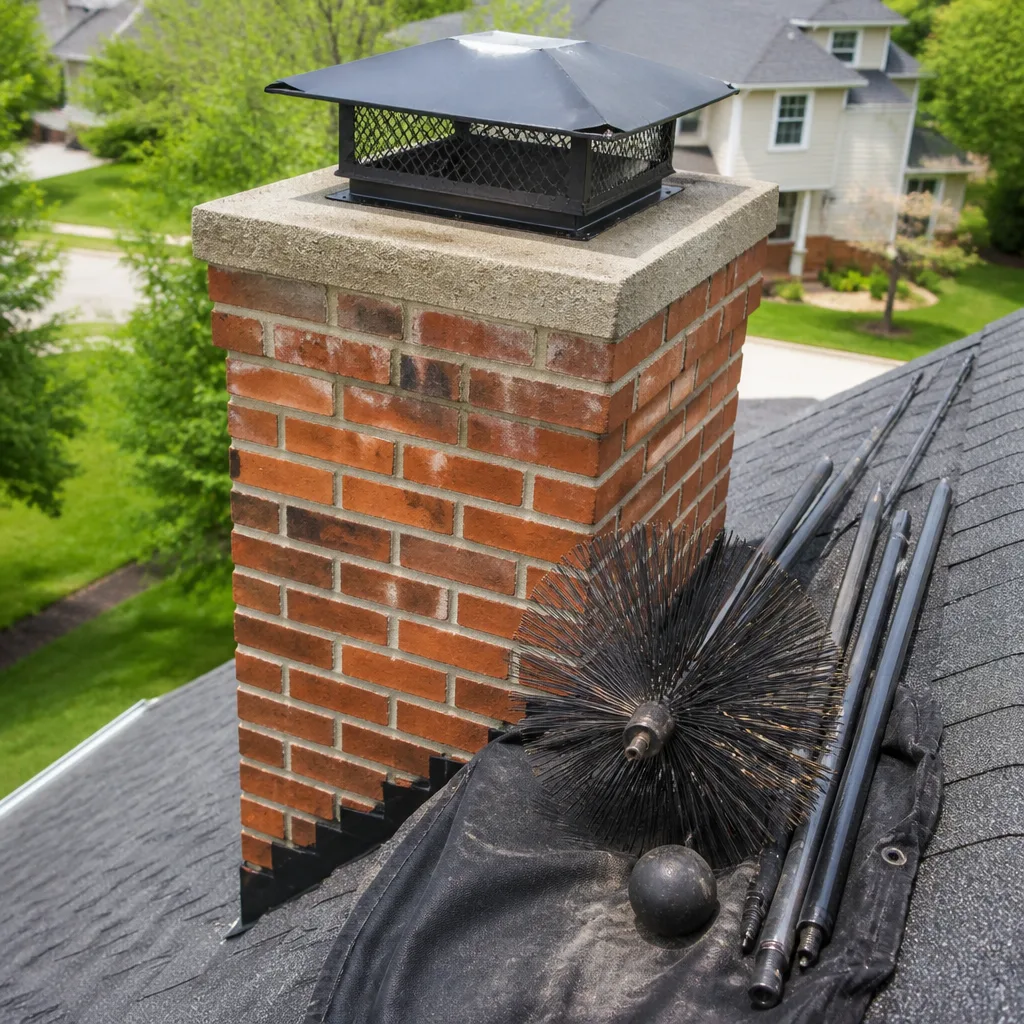 Sweep & inspection
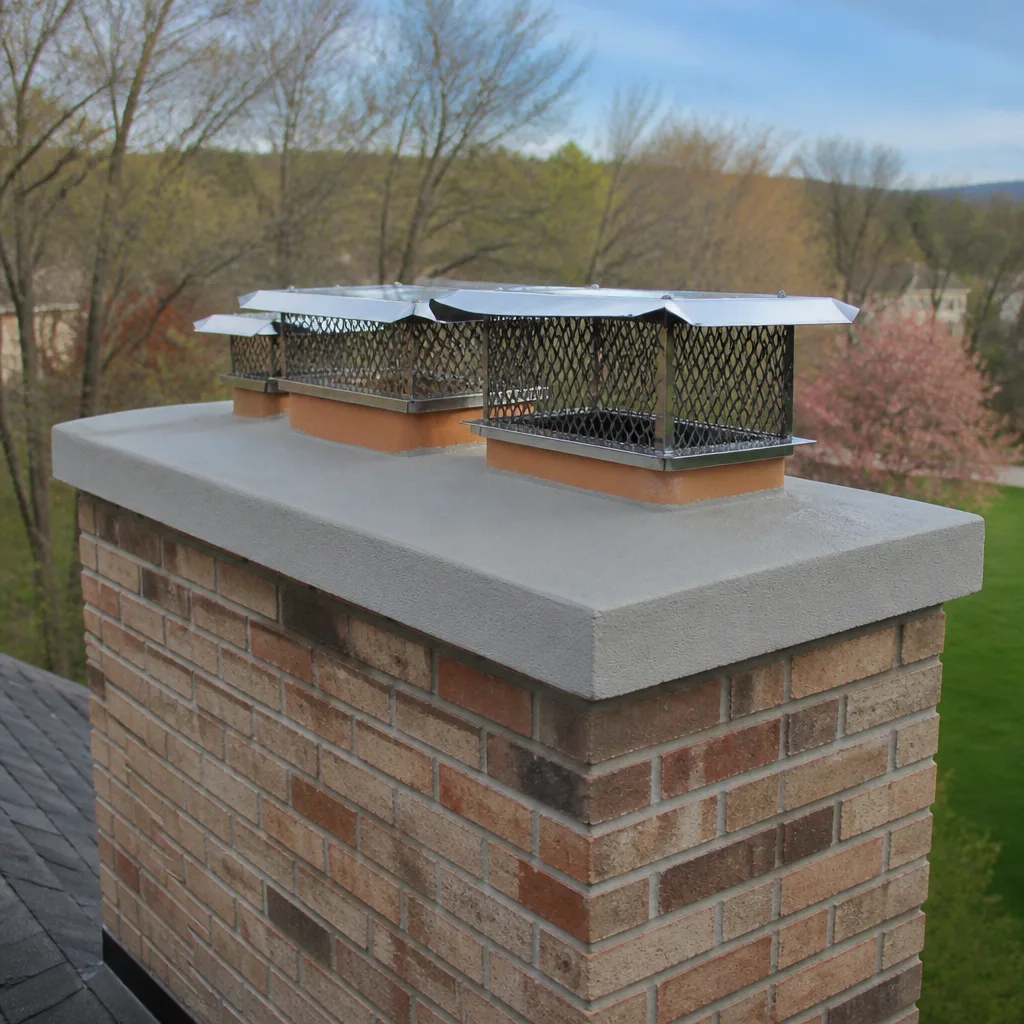 Caps & crowns
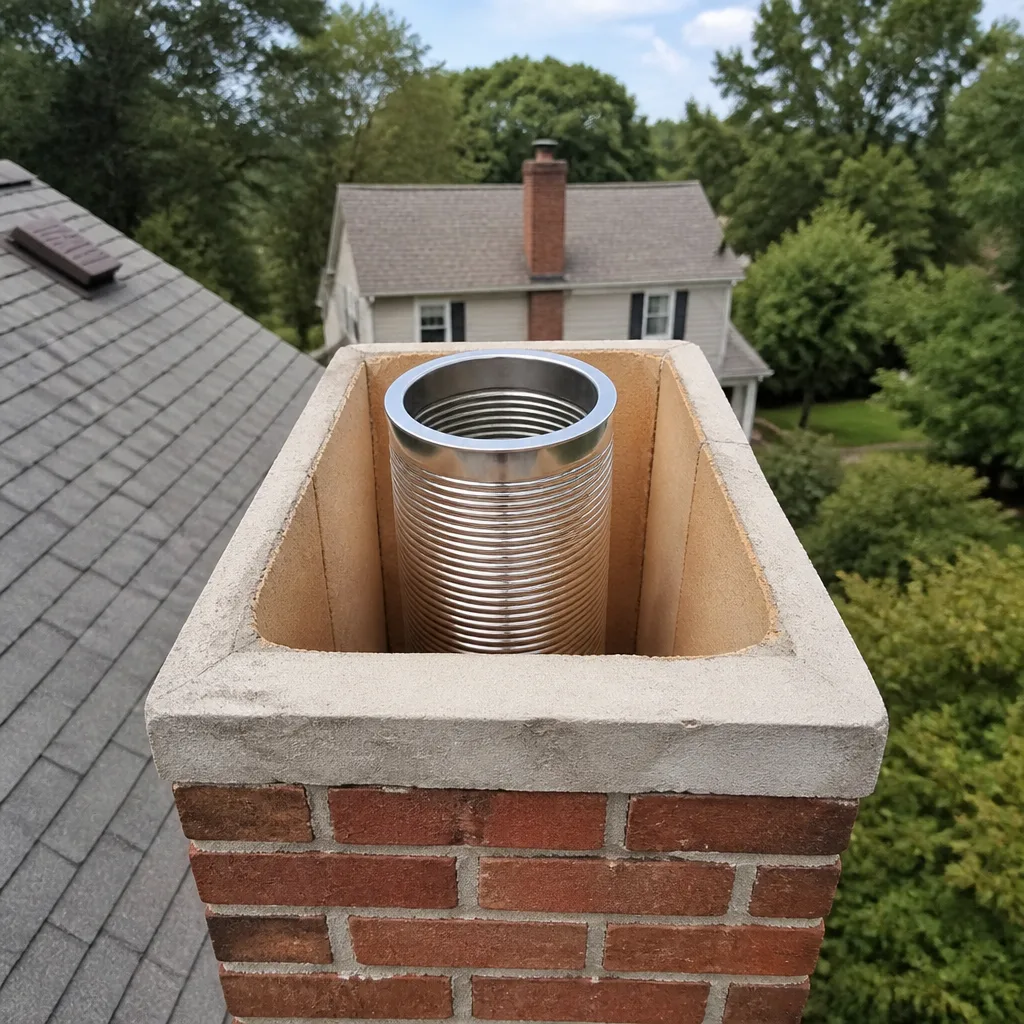 Flue relining
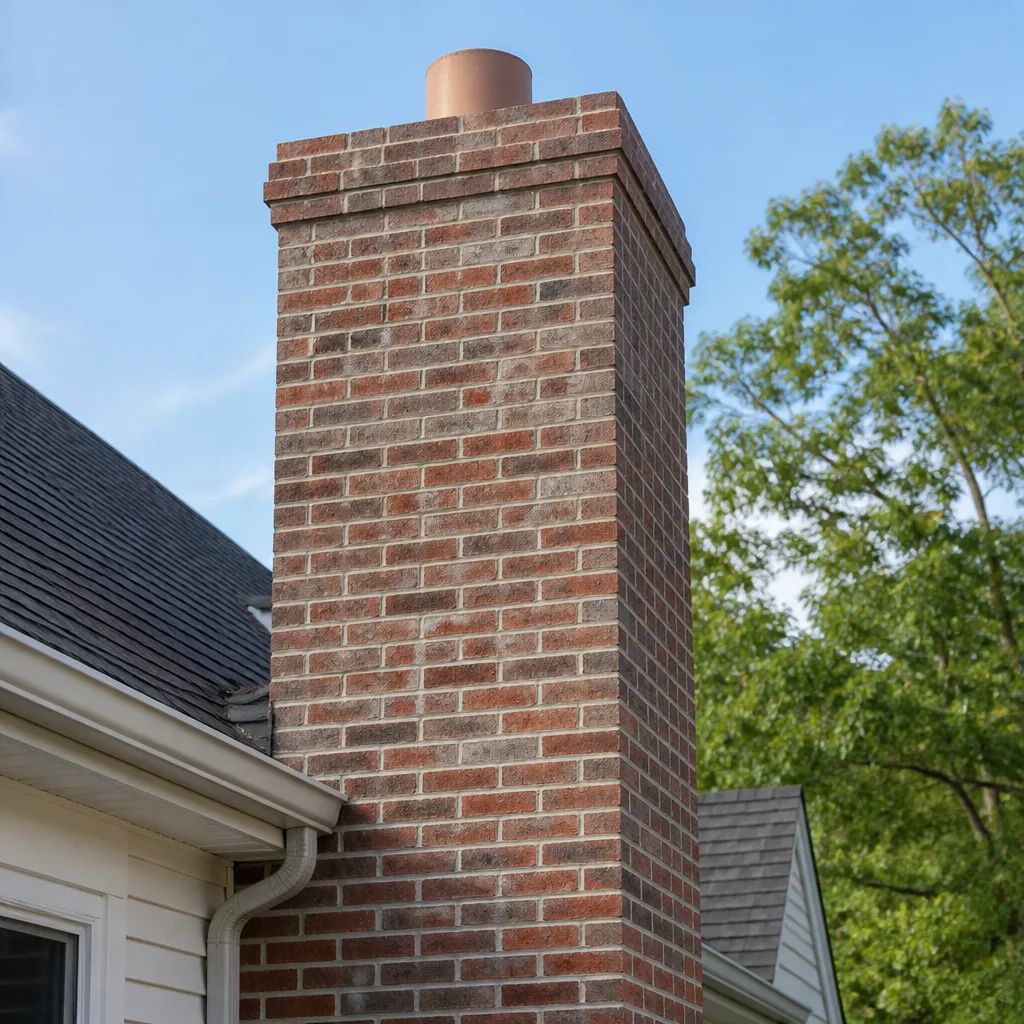 Masonry repair
 Gas fireplace service
Level 1 sweep and inspection to the NFPA 211 annual standard - flue, crown, cap, and flashing checked and photographed
Chimney sweep logs do not sweep chimneys. They loosen some creosote - which then falls where a brush and vacuum still have to collect it.
The Complete Guide to Chimney Cleaning in Taylorsville
Most homeowners assume a chimney cleaning means one thing: somebody brushes soot off the flue walls and leaves. That picture is incomplete, and it’s the reason some chimneys come out of a “cleaning” looking fine while a hidden problem keeps building. A chimney can pass a visual inspection and still be one fire away from a flue failure, because the debris that does the most damage in Utah’s inversion-heavy winters doesn’t always sit where you can see it from the firebox. In this guide we’ll walk through what a real clean actually covers, how creosote stages work, what the code expects, and how to read your own invoice. We’ll keep it grounded in Taylorsville conditions, because the local air and the local fuel mix both change the answer.
Quick Answer
A chimney cleaning in Taylorsville should be treated as a full-system check, not just soot removal. A proper appointment covers the flue, the smoke chamber, the damper, and the firebox at once, so debris and early liner damage get caught while they’re still cheap to fix. Most wood-burning homes need a sweep once a year, and gas or pellet setups still need an annual inspection even when there’s little to brush out. Cleaning is the entry point; the inspection is where the real value sits.
Styles & brands we work with
- Sweep & inspection
- Caps & crowns
- Flue relining
- Masonry repair
- Gas fireplace service
Table of Contents
- Why Taylorsville Conditions Change the Cleaning Schedule
- The Three Stages of Creosote and What Each One Means
- A Full-System Clean vs. a Sweep-Only Appointment
- What NFPA 211 Requires vs. Minimum Service
- Fuel Types in Taylorsville and How They Set the Interval
- What Happens During a Professional Cleaning, Step by Step
- How to Read Your Cleaning Invoice
- What Chimney Cleaning Costs in Taylorsville
Why Taylorsville Conditions Change the Cleaning Schedule
Taylorsville sits in the Salt Lake Valley, and winter here brings temperature inversions that trap cold air and combustion byproducts close to the ground. That matters for your chimney in a way it doesn’t in a windy mountain town. When the air is heavy and still, a flue doesn’t draft as cleanly, smoke lingers longer in the system, and the cooling that happens on the flue walls is more pronounced. Cooler flue surfaces are exactly where creosote condenses fastest. We’ve seen it before. A house that would coast through a mild winter elsewhere can build a thicker glaze here in a single heating season.
The practical result is that national rules of thumb for sweeping intervals tend to run a little optimistic in Taylorsville. The general guidance of “sweep when you’ve burned about a cord” still holds as a starting point, but the condition of what’s on the flue walls tells the real story. A heavy user who burns through a cold inversion stretch can reach a stage of creosote buildup that a lighter user never touches in the same number of months.
There’s a second local factor: the valley’s housing stock is a mix of older homes with original masonry chimneys and newer builds with factory-built systems. The older masonry holds heat differently and can be more prone to cool spots along the flue, while the newer metal systems demand that you use the brush and method the manufacturer specifies. Both need a clean, but they don’t need the same clean. We size the approach to the chimney in front of us, not to a generic checklist.
If you want the plain version of the scheduling rule, it’s this: annual cleaning and inspection for any chimney you actively burn in, and a closer look sooner if you notice a change. That single habit prevents most of the expensive outcomes we get called out for. For the core service behind it, see our Chimney Sweep Taylorsville page.
The Three Stages of Creosote and What Each One Means
Creosote is the residue left when wood smoke cools on the flue walls, and it doesn’t arrive all at once. It stages in three recognizable forms, and each one changes what your next service should look like. Knowing the stages helps you understand what a technician is telling you, and it helps you spot when someone is overselling.
Here’s how the three stages break down:
- Stage 1 – soot and flaky dust. This is the light, powdery residue you can brush away with a standard sweep. It’s the most common stage in a home that burns dry wood and cleans on schedule. It’s easy to remove and poses the least risk on its own.
- Stage 2 – crusty, flaky deposits. The residue has hardened into a flaky layer that clings to the flue, and brushing alone may not clear all of it. This stage signals the draft has been running cool enough to condense more than dust. It’s a cue to look at fuel moisture and burning habits, not just scrub harder.
- Stage 3 – glazed, tar-like buildup. This is the dense, shiny layer that looks almost like varnish. It’s the hardest to remove and the most concerning, because a hot fire near a heavy glaze is the danger case we watch for. Stage 3 often calls for specialized removal methods rather than a routine sweep, and it can point toward resurfacing or relining decisions.
The useful takeaway: the stage matters more than the calendar. A homeowner who burned a lot of unseasoned wood can hit stage 2 or 3 in a single season, while a careful burner might stay at stage 1 for longer. When residue reaches stage 3, the honest conversation moves from cleaning to the condition of the liner itself. HeatShield resurfacing can restore a compromised liner without the cost of full replacement, which is one reason we keep it in our lineup rather than treating every glazed flue as a replacement job.
A Full-System Clean vs. a Sweep-Only Appointment
This is where the most important distinction on the page lives. A sweep-only appointment cleans the flue and stops there. A full-system clean treats the chimney as a whole and checks the parts a flue brush never reaches. The difference doesn’t show up in how the firebox looks when the technician leaves. It shows up months later, when a problem that a full check would have caught has time to grow.
During a full-system appointment, these checks happen alongside the cleaning:
- Liner condition. The flue liner is the barrier between hot gases and your home’s structure. Cracks, gaps, and deterioration get looked at directly, not assumed. A compromised liner is a repair item, and we tell you what we see.
- Smoke chamber. This is the sloped area above the damper where smoke gathers before it moves up the flue. It’s a notorious hiding spot for residue that a simple flue sweep misses.
- Damper operation. A damper that sticks or won’t seal properly affects draft and lets heat escape when the fireplace is idle. It’s an easy check and an easy fix when caught early.
- Crown and cap. The top of the chimney is where water gets in. A cracked crown or a missing cap starts a slow process that damages masonry from the inside out.
We handle the full chimney system, from the firebox floor to the cap on top. That means you don’t get handed off to another contractor mid-job if the cleaning turns up a repair. The same visit can identify a cap that needs replacing or a crown that needs attention, and the same team can handle the chimney repair that follows.
A sweep-only provider isn’t necessarily doing anything wrong, but the scope is narrower by design. If your invoice says “swept flue” and nothing else, you’ve had a cleaning, not a system check. Those are different products with different value, and you deserve to know which one you’re buying.
What NFPA 211 Requires vs. Minimum Service
NFPA 211 is the national standard that covers chimneys, fireplaces, vents, and solid fuel appliances, and it sets the baseline for inspection and maintenance. It’s the reference point that separates a real inspection from a quick glance. Knowing what the standard expects helps you ask better questions and read an invoice with sharper eyes.
The standard, in practical terms, calls for chimneys to be inspected and cleaned as needed, with the level of inspection matched to the situation. A basic annual check is one level; a more thorough assessment of accessible components is another; a full investigation that may involve opening up parts of the system is the deepest level, used when conditions warrant it. Your chimney’s history and condition determine which level fits, and a provider who only ever offers one level is telling you something about their scope.
Where minimum service falls short of the standard usually comes down to a few gaps:
- No written report. An inspection that produces nothing on paper is hard to act on and impossible to compare year to year. A record of what was found matters.
- Flue-only focus. Cleaning the flue but skipping the smoke chamber, damper, crown, and cap leaves half the system unexamined.
- No condition rating. The standard expects a judgment about condition, not just a note that it was cleaned.
We offer inspection as a standalone service, which means you can get a code-compliant assessment independent of cleaning or repair. That separation is deliberate. You should be able to find out what’s there before anyone recommends work, and the recommendation should follow the evidence, not precede it. When the findings point toward fireplace components rather than the flue, our fireplace repair service picks up from there.
Fuel Types in Taylorsville and How They Set the Interval
Taylorsville homes burn a mix of cord wood, pellets, and gas logs, and each one changes both how often you clean and how the cleaning is done. Treating them the same is a common and costly mistake. Here’s how each fuel behaves.
Cord wood is the biggest variable. Dry, seasoned hardwood burned hot produces the least residue. Unseasoned or high-moisture wood produces far more, sending the staging up faster and pushing stage 2 and 3 buildup into the picture sooner. For a cord wood user, the interval tracks how much you burn and how dry the wood is. Annual cleaning is the floor; heavy burners on marginal wood may need a closer look mid-season.
Pellets burn cleaner and more consistently than cord wood, which usually means less creosote on the flue walls. But pellet appliances have their own moving parts, venting, and ash handling that need attention, and the venting can still accumulate residue. A pellet setup still gets an annual inspection, and the cleaning method is tailored to the appliance and its vent.
Gas logs produce very little soot, so a gas fireplace rarely needs a traditional brushing. What it does need is an annual inspection, because gas appliances have their own concerns: the burner, the logs, the venting, and the way the unit is drawing. A gas fireplace that looks clean can still have a venting issue that only an inspection catches. Skipping it because “there’s nothing to sweep” is a mistake we see often.
The through-line is that the fuel sets both the interval and the method, and a provider who sweeps everything with the same brush is ignoring half the equation. If you’re unsure which fuel category fits your setup, that’s exactly what an inspection resolves.
What Happens During a Professional Cleaning, Step by Step
A professional cleaning follows a sequence for good reason: each step protects the home, and each one builds on the last. Here’s what a full appointment involves, in order.
- Set up protection. Drop cloths and containment go down before any tool comes out, so soot and dust stay in the workspace rather than migrating into the room.
- Inspect before cleaning. The technician looks at the system first, because what’s found shapes how the cleaning is done and what gets flagged. This is where condition gets assessed, not after.
- Clean the flue. The right brush and method are chosen for the chimney type, whether it’s masonry with a liner or a factory-built metal system. The brush matches the flue, not the other way around.
- Clean the smoke chamber and firebox. The areas above and below the flue get their own attention, because that’s where a flue-only sweep leaves residue behind.
- Check the damper and other components. Operation and condition get verified while access is easy.
- Clear the debris. Everything removed gets bagged and hauled out, and the workspace is left as it was found.
- Report findings. The technician walks through what was found, what’s fine, what needs watching, and what needs work, with the evidence in front of you.
The order matters. Inspecting before cleaning means the assessment reflects the chimney’s real condition rather than a system that’s already been brushed. And the final report is the part most people remember, because it’s where a cleaning becomes useful information instead of a receipt. We use professional-grade materials, not hardware-store patches, so when the findings call for a part it’s the right part.
How to Read Your Cleaning Invoice
An invoice tells you what you actually bought. Here’s how to read one, line by line, so you can tell a full-system appointment from a sweep-only one.
- Does it list the flue, the smoke chamber, and the firebox separately? A full clean itemizes each area. A single line that says “swept chimney” is a narrower service.
- Is there a written inspection report attached? The report should describe what was found, not just confirm the cleaning happened. A condition note and a photo record are strong signals of a real assessment.
- Are the damper, crown, and cap mentioned? These components are part of the system. If they’re absent from the invoice, they likely weren’t checked.
- Are recommendations tied to evidence? A recommendation should point to something the technician saw. “You need a new liner” with no explanation of what was observed is a red flag.
- Is the price per job, or per line item you can’t verify? The written estimate should be clear and agreed before work starts, so the final invoice matches what you approved.
The single biggest tell is the report. An inspection that produces a clear record you can keep and compare year to year is the difference between a cleaning and a diagnosis. If a provider can’t show you what they found, you’re being asked to take a recommendation on faith. You shouldn’t have to.
What Chimney Cleaning Costs in Taylorsville
Chimney cleaning is priced per job, and the price depends on the system, the fuel type, the level of buildup, and whether repairs are needed. Because we set the price with a written estimate before work starts, there are no surprises on the invoice. Here’s how a typical appointment breaks down by service type.
- Standard sweep. Priced per job, based on the chimney type and the amount of residue. A dry, well-maintained flue with light stage 1 buildup sits at the lower end of the range.
- Full-system clean. Priced per job, including the smoke chamber and component checks. This is the appointment we recommend for any chimney in active use.
- Inspection. Offered as a standalone service, so you can get a code-compliant assessment without bundling it into a cleaning or repair.
- Repairs. Priced per job after the inspection identifies what’s needed, with the materials specified and the scope agreed in writing.
One thing we won’t do is quote a number before we’ve seen the chimney, because the honest price depends on what’s actually there. A glazed flue and a light dusting are not the same job, and a quote that assumes one when it’s the other either overcharges you or underestimates the work. The written estimate resolves that, and it’s yours before anything starts.
For the broader service picture, the chimney sweep page covers the appointment itself, and the contact line below is the fastest way to get a free estimate for your Taylorsville home.
Common Mistakes to Avoid
- Treating a clean firebox as proof the chimney is clean. The firebox is the one part you can see, and it tells you the least. Residue builds on the flue walls and in the smoke chamber, well out of sight.
- Skipping the inspection because the cleaning “went fine.” A clean flue can still have a cracked liner, a stuck damper, or a failing crown. The inspection is where those get caught, and it’s separate from the brushing for a reason.
- Burning unseasoned wood to save time. Wet wood is the fastest route to stage 2 and 3 buildup, and in Taylorsville’s inversion-heavy air the cooling that condenses residue is already working against you. Dry wood is the cheapest fix there is.
- Assuming a gas fireplace needs nothing. Gas logs produce little soot, but the venting and burner still need an annual check. “Nothing to sweep” is not the same as “nothing to inspect.”
- Ignoring the cap and crown until water shows up inside. The top of the chimney is where most water intrusion starts, and a missing cap or cracked crown is an easy fix before damage spreads into the masonry. Our cap and crown work exists for exactly this reason.
- Going with the lowest bid without asking what’s included. A low price often means a sweep-only scope. Ask whether the smoke chamber, damper, and crown are covered before you compare numbers.
- Letting a stage 3 glaze sit because the fire still draws. A glazed flue can burn fine right up until it doesn’t. Heavy glaze is the case where the next fire matters most, and it’s worth a professional look.
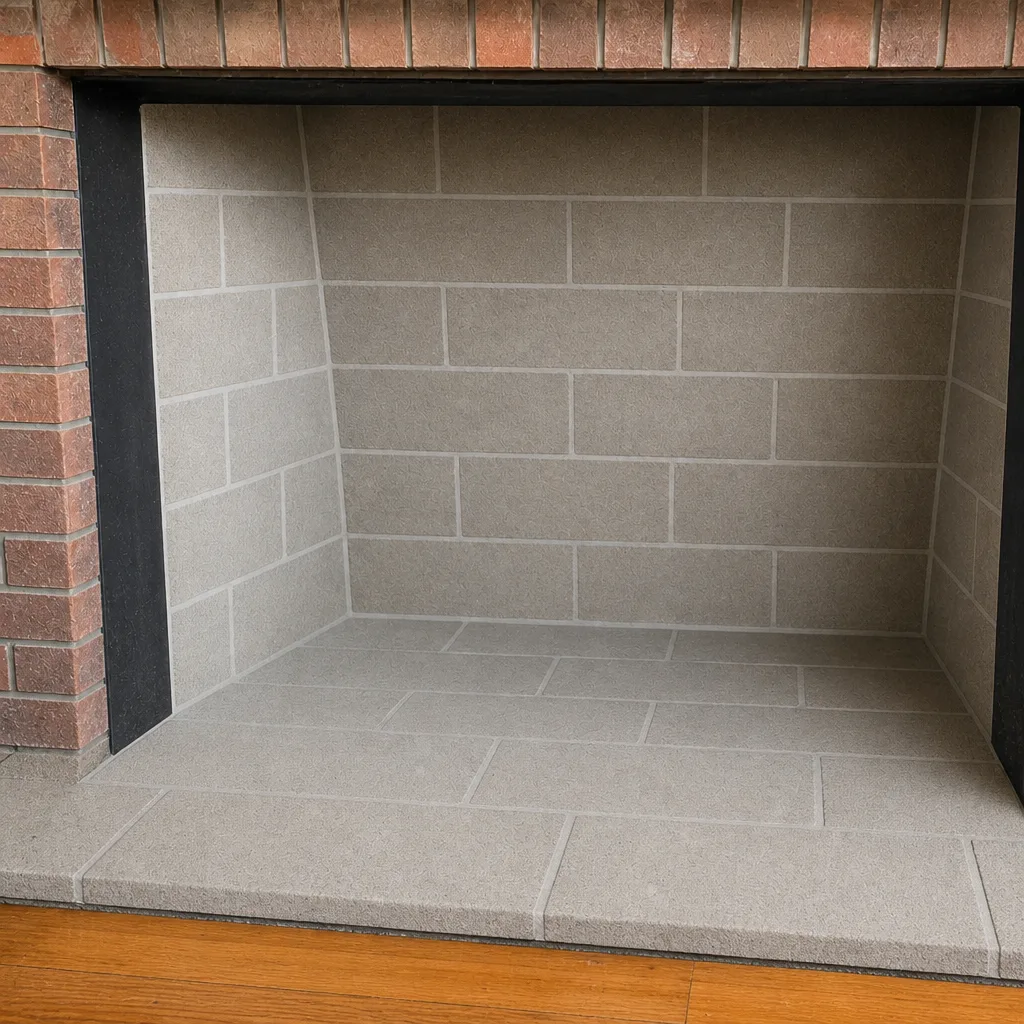
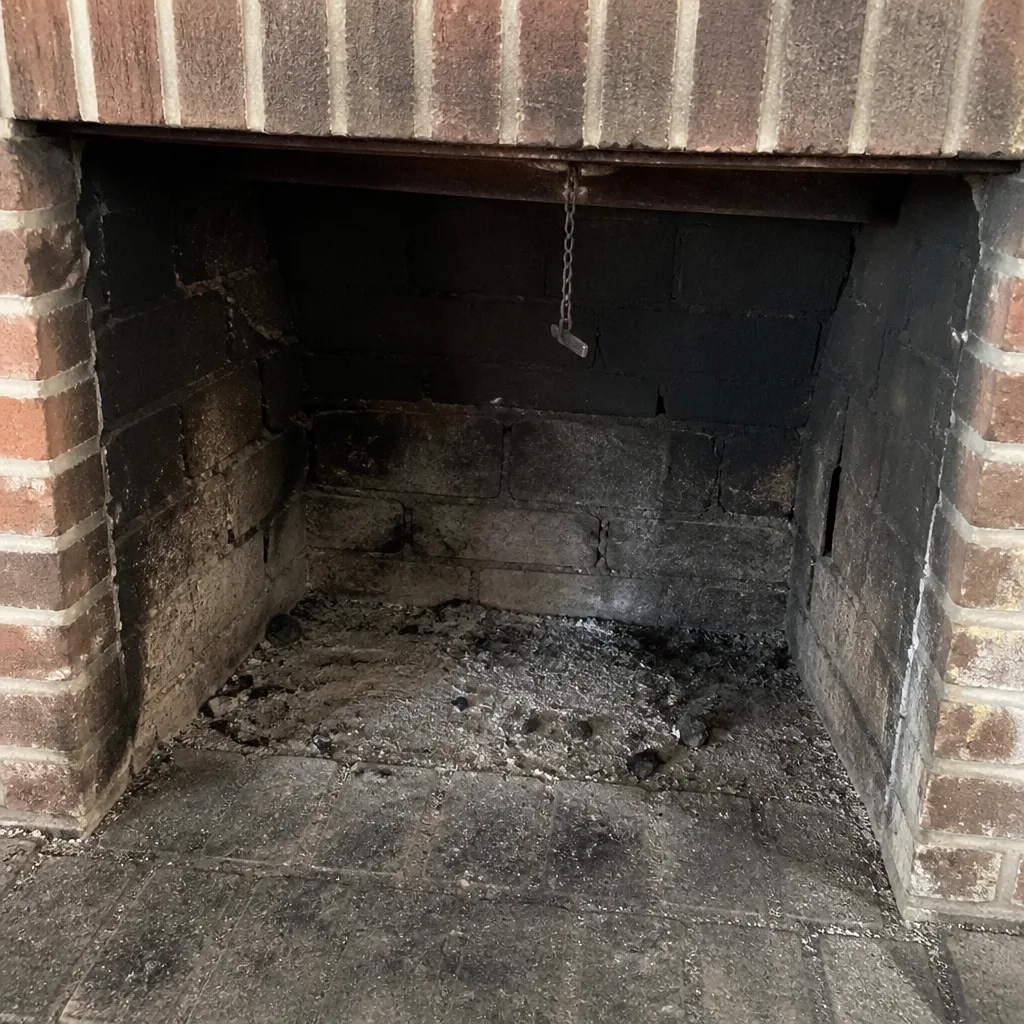
See the difference
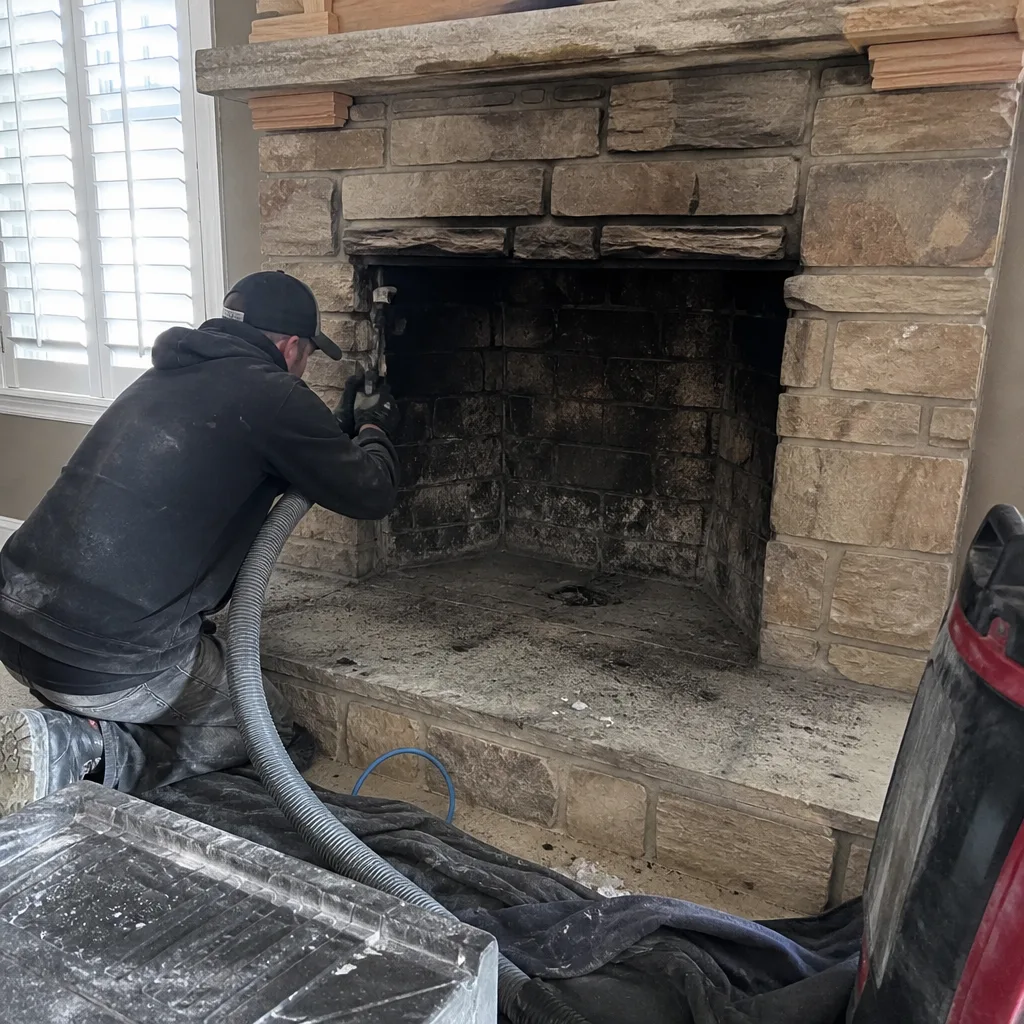 Before
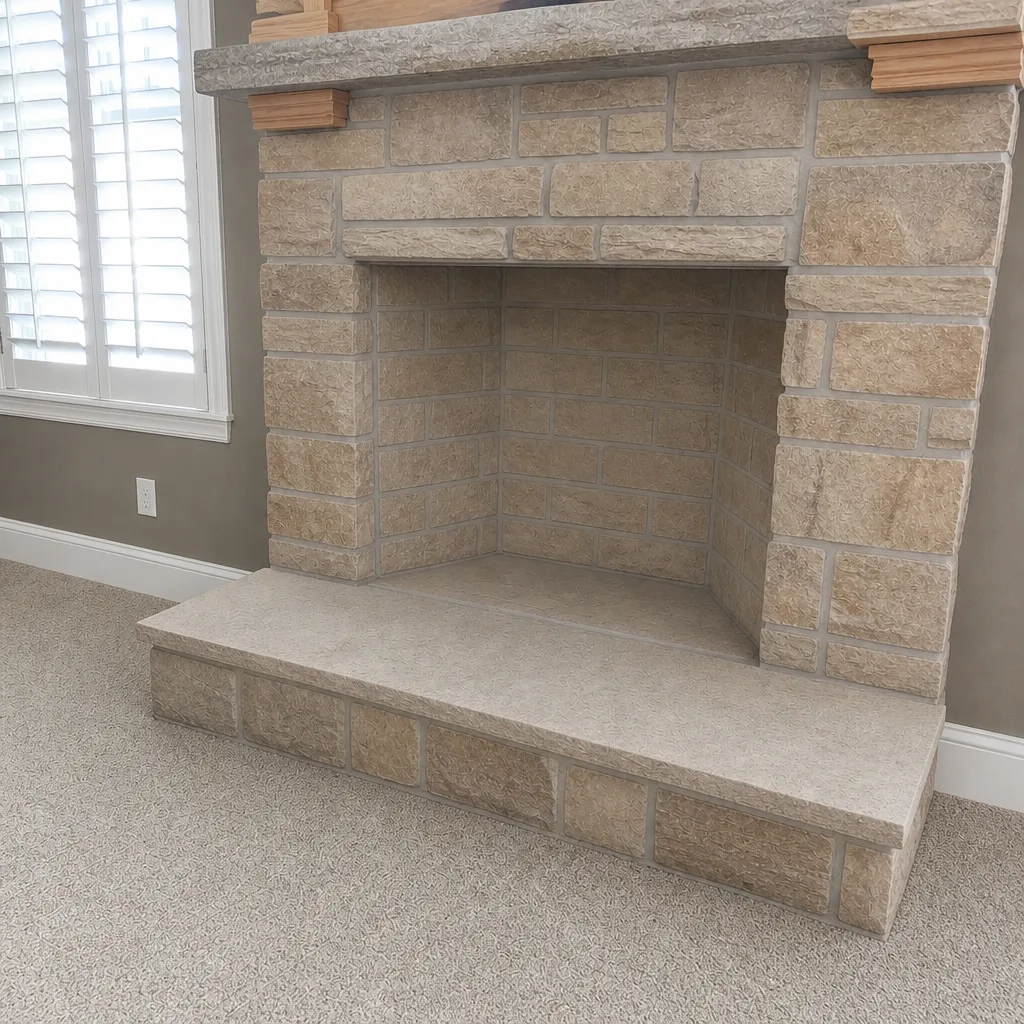 After
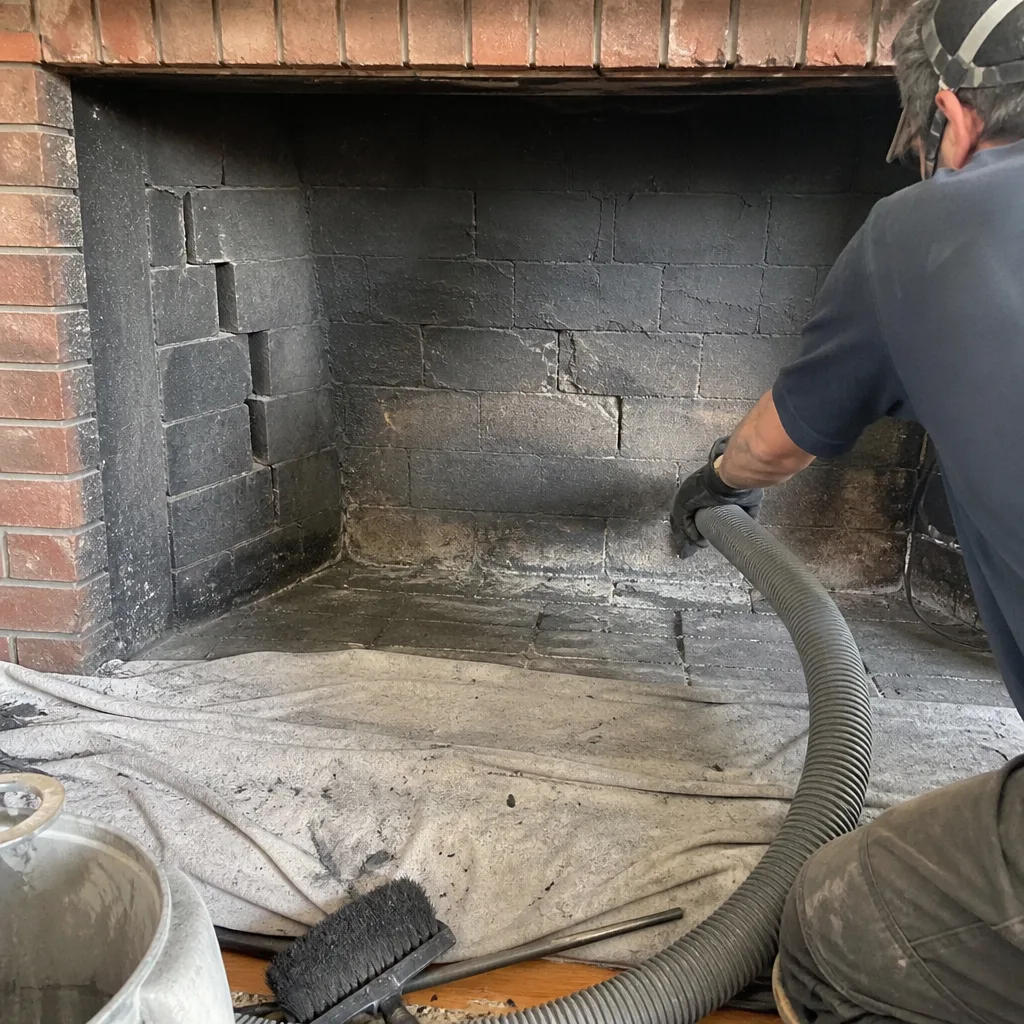 Before
 After
 Before
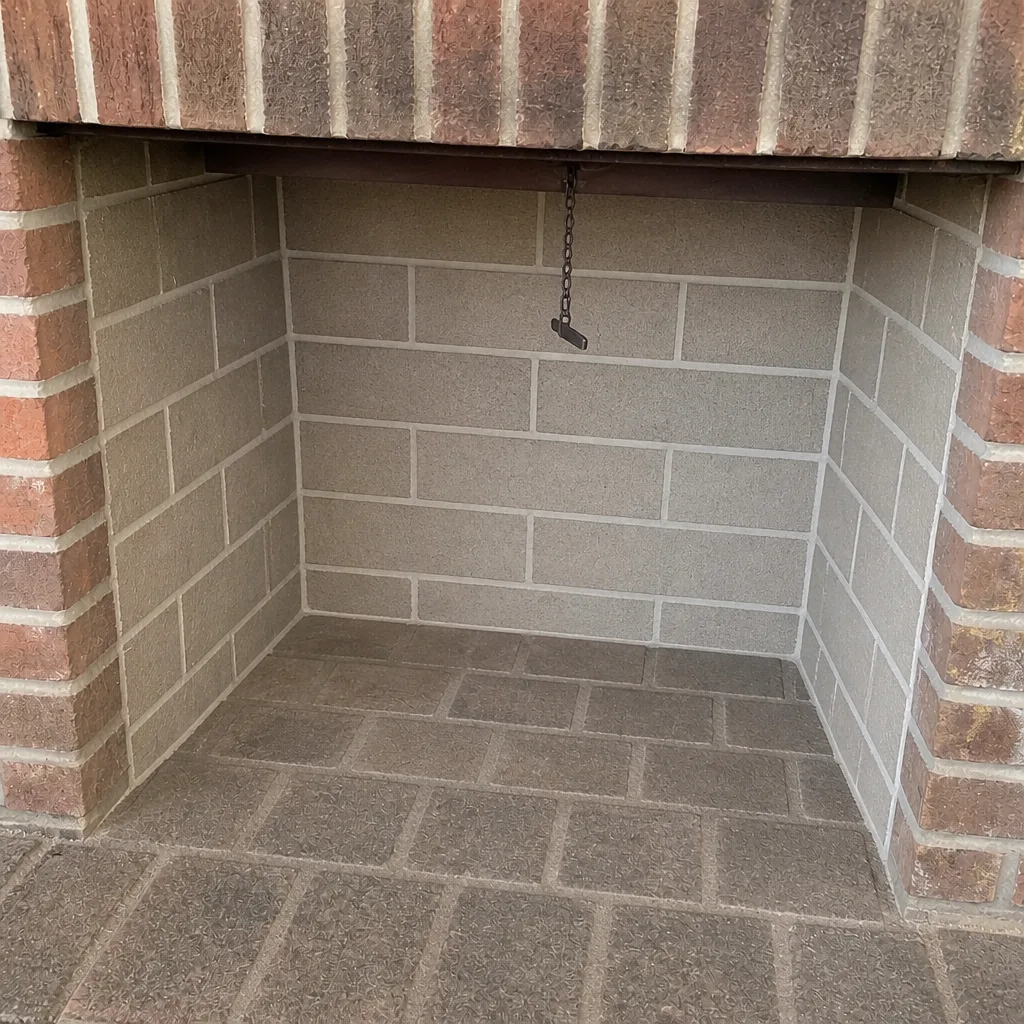 After
When to Call a Professional
Some situations call for a pro without delay. If you smell a strong creosote odor in warm weather, if smoke rolls back into the room when you light a fire, if the damper sticks or won’t close, or if you see cracked or missing masonry anywhere on the chimney, stop burning and get it looked at. The same goes for a flue with heavy glazed buildup, a chimney that hasn’t been cleaned in more than a heating season, and any home where the fireplace has changed fuel type. Those are the cases where a quick check today saves a large repair later. Chimney Sweep Taylorsville offers free estimates in Taylorsville. Call (833) 482-6761. We answer 24/7, and fast dispatch runs from 7am to 7pm, Sunday through Friday.
Frequently Asked Questions
Once a year for any chimney you actively burn in, and sooner if you notice a change in draft or smell. Taylorsville’s inversion-heavy winters can push creosote buildup faster than the national rule of thumb suggests, so the annual appointment is a floor rather than a ceiling. Call (833) 482-6761 for an exact schedule based on your fuel type and burning habits.
No. A cleaning removes residue, while an inspection assesses the condition of the flue, smoke chamber, damper, crown, and cap and produces a report. They’re often done together, but we offer inspection as a standalone service so you can get a code-compliant assessment independent of cleaning or repair. Call (833) 482-6761 to book an inspection on its own.
You need it inspected annually, even though there’s little soot to sweep. Gas logs and their venting have their own concerns, including burner condition and how the unit draws, and those don’t show up in a visual glance. Call (833) 482-6761 for a gas fireplace inspection.
Creosote stages from light soot, to crusty deposits, to a glazed tar-like layer, and the stage determines whether a routine sweep is enough. Stage 3 glaze is the hard case and often points toward specialized removal or relining. If you suspect heavy buildup, call (833) 482-6761 before your next fire.
A properly done cleaning doesn’t damage the chimney, but the wrong brush or method can. That’s why the brush and technique are matched to the flue type, whether it’s masonry or a factory-built metal system. Call (833) 482-6761 to have the right method matched to your chimney.
It’s priced per job based on the chimney type, the fuel, and the level of buildup, and we set the final price with a written estimate before work starts. A full-system clean costs more than a sweep-only appointment because it covers more of the system. Call (833) 482-6761 for a free estimate.
The Bottom Line
Chimney cleaning in Taylorsville is really a system check wearing a cleaning’s clothes. The sweep removes what you can’t see, but the inspection is what tells you whether the liner, smoke chamber, damper, crown, and cap are sound. Burn dry wood, clean annually, and know your creosote stage. When a repair is needed, having the full system handled by one team, with professional-grade materials like DuraFlex and HeatShield, keeps you from being passed around. If you want a straight answer about your chimney, call (833) 482-6761 for a free estimate with Chimney Sweep Taylorsville.
Written by the team at Chimney Sweep Taylorsville.