
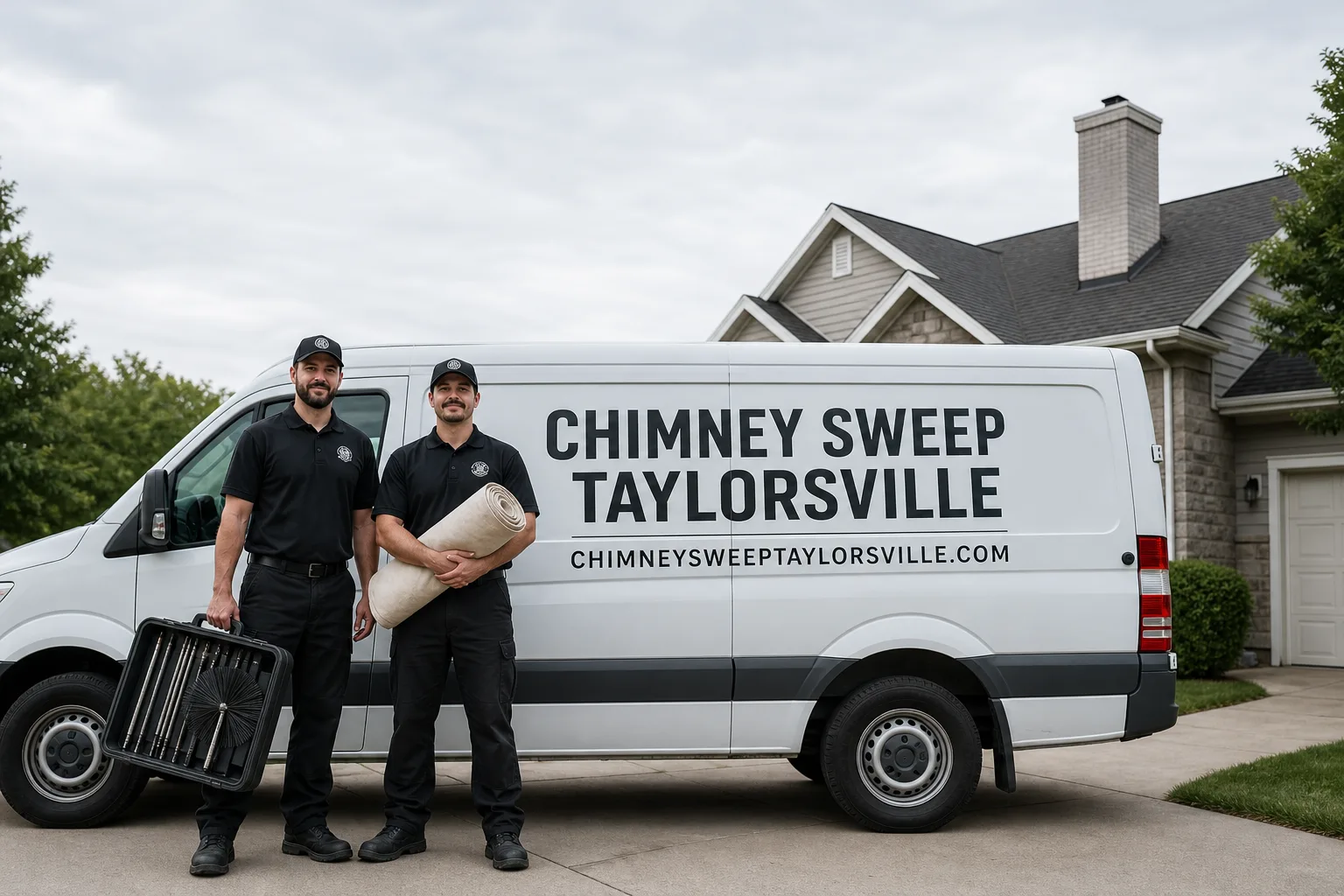
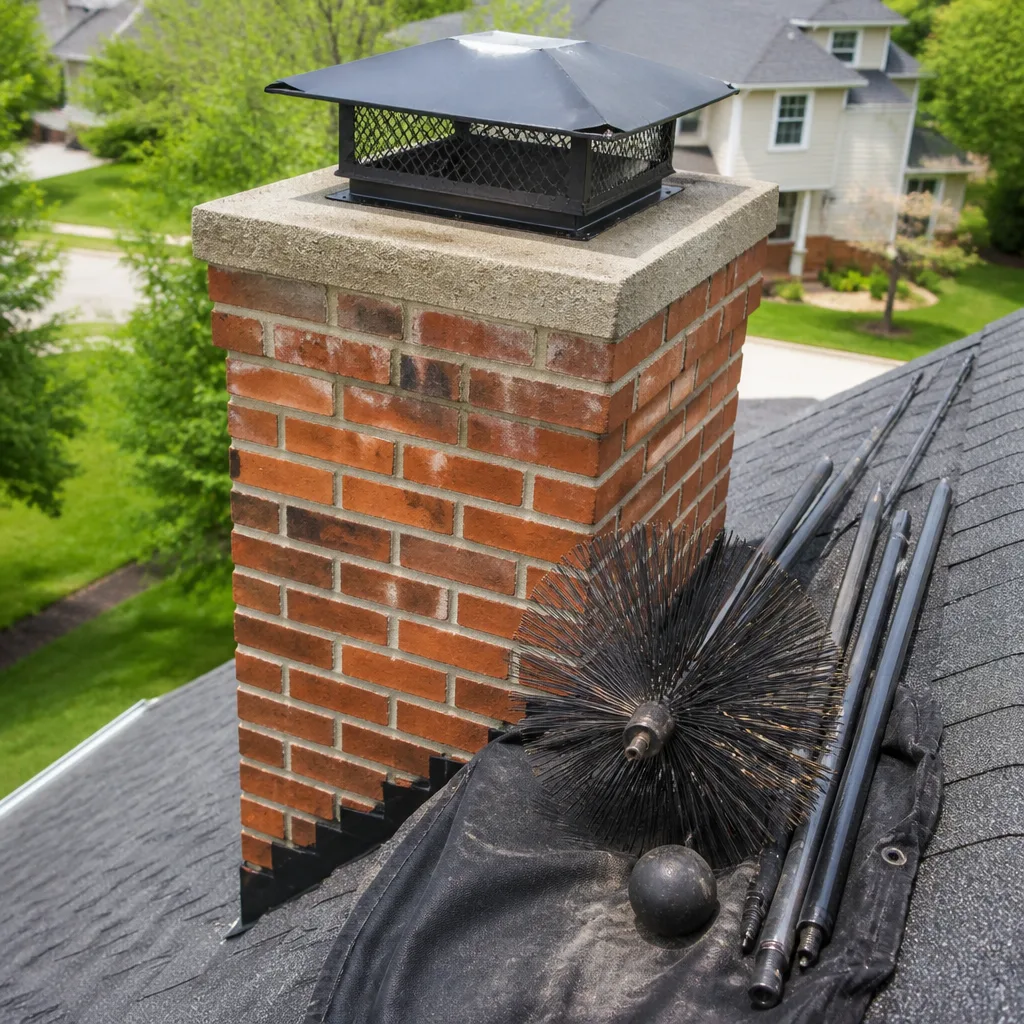
 Sweep & inspection
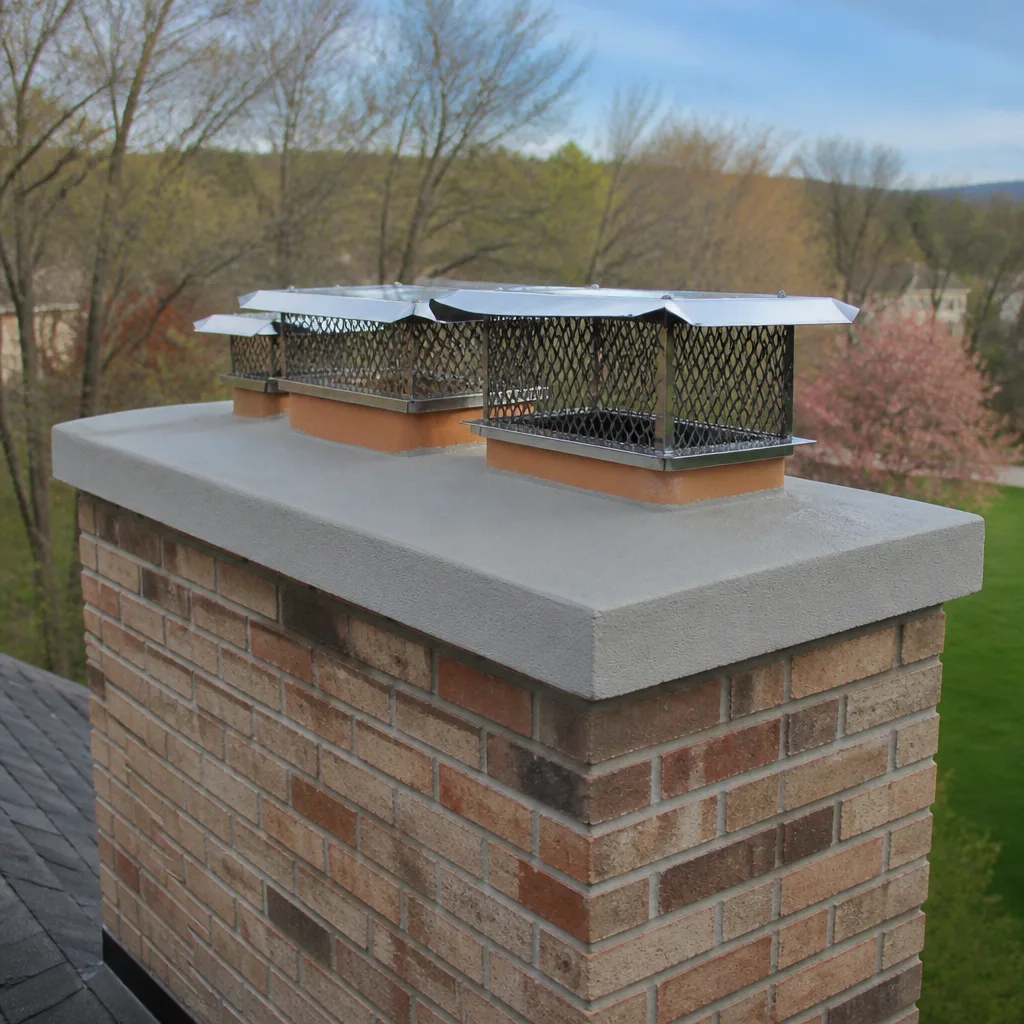 Caps & crowns
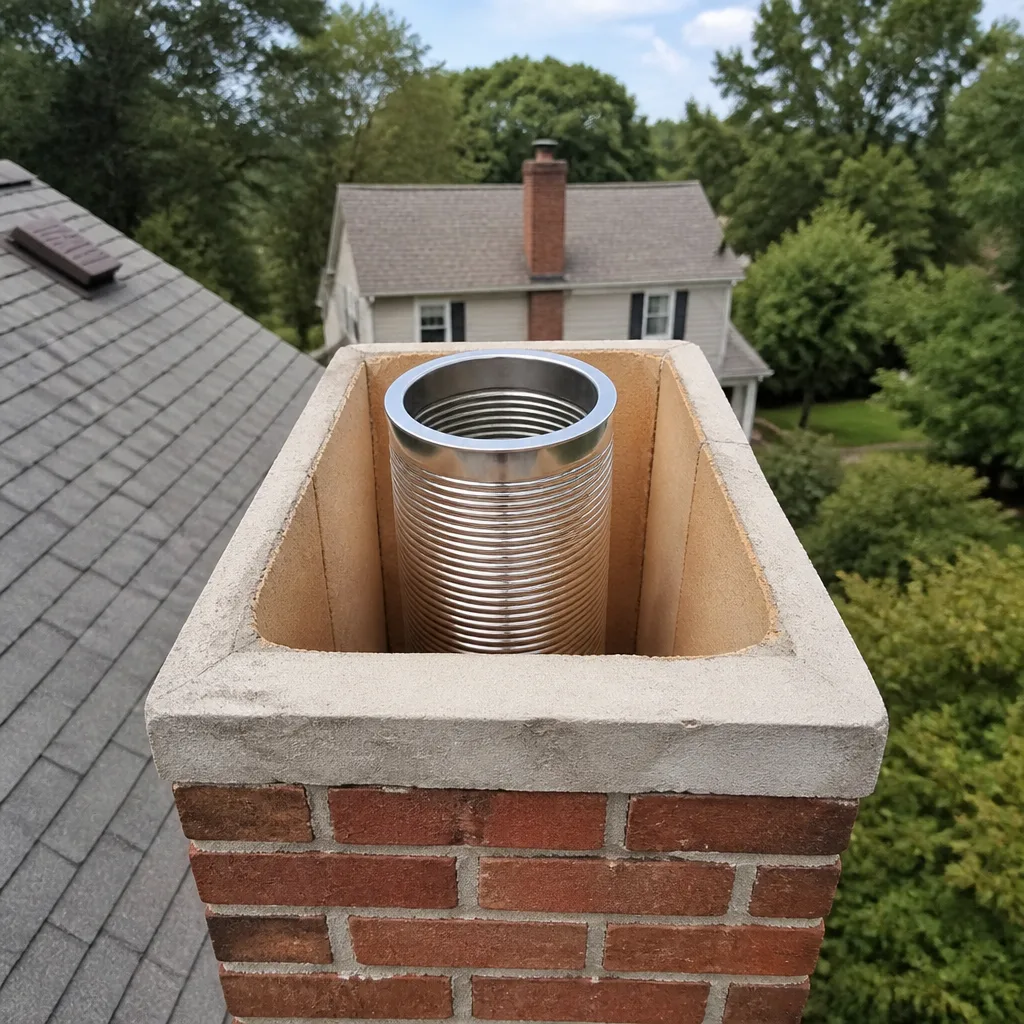 Flue relining
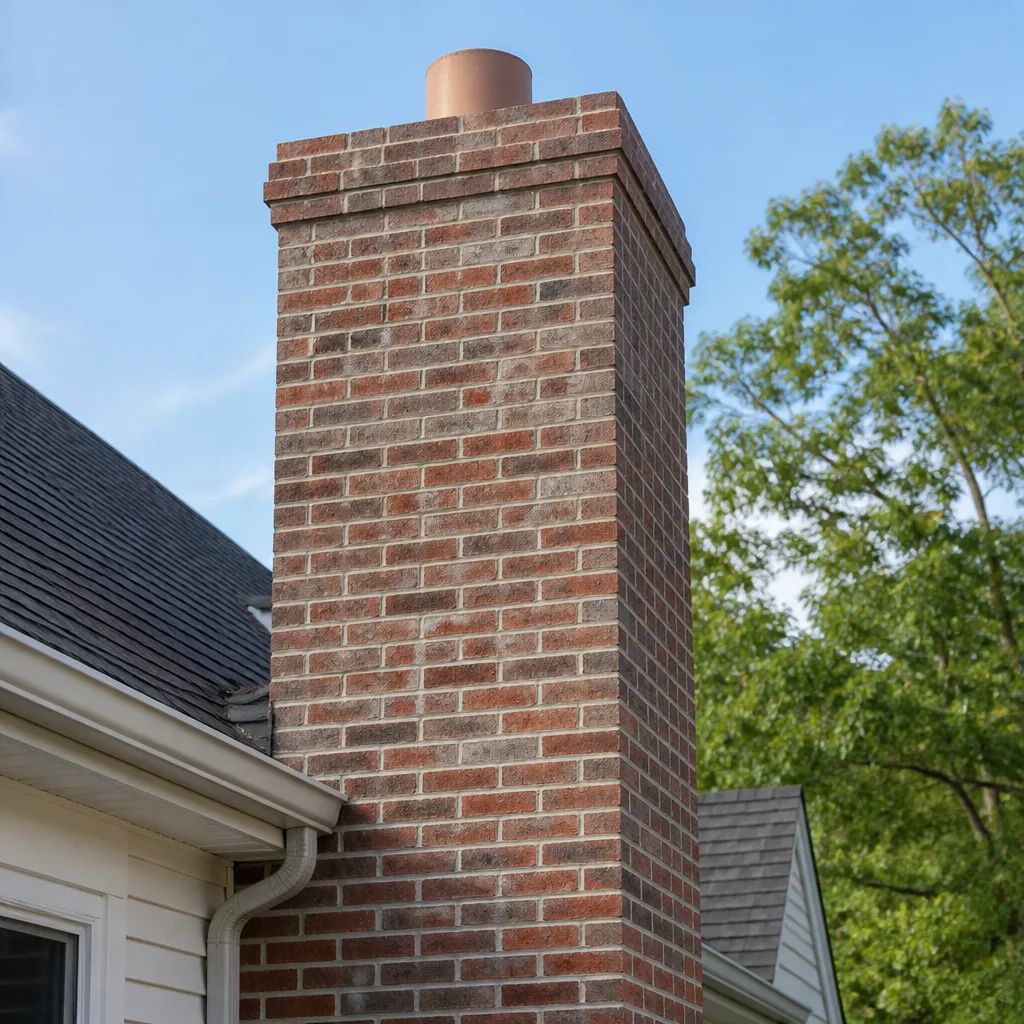 Masonry repair
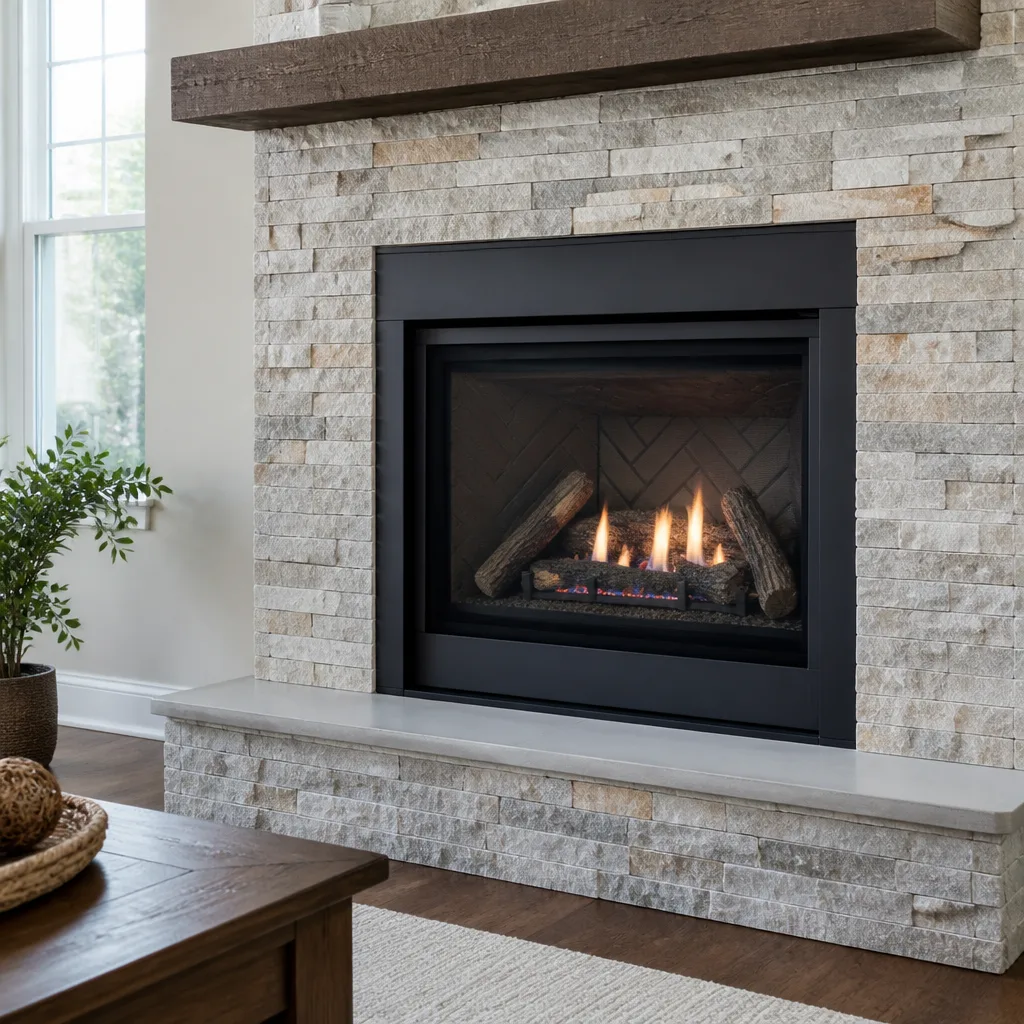 Gas fireplace service
Level 1 sweep and inspection to the NFPA 211 annual standard - flue, crown, cap, and flashing checked and photographed
Chimney sweep logs do not sweep chimneys. They loosen some creosote - which then falls where a brush and vacuum still have to collect it.
Fast, Reliable Chimney Repair Across Sandy
If your chimney is cracking, leaking, or pulling away from the roofline, we can help. Chimney Sweep Taylorsville handles chimney repair for homeowners throughout Sandy, from the older tract homes near State Street to the tall multi-flue stacks up on the east bench. We know how Sandy chimneys fail, because the conditions here are specific: canyon winds, inversion-season burning, and housing stock that’s now decades old. Call (833) 482-6761 for a free estimate. We answer 24/7. Fast dispatch from 7am to 7pm, Sunday through Friday.
Why Sandy Homeowners Call Chimney Sweep Taylorsville for Chimney Repair
Sandy isn’t a single kind of town, and its chimneys show it. Down on the valley floor in 84070, you’re mostly looking at 1970s and 1980s tract homes with a single masonry fireplace and an early prefab metal chimney that’s now at or past its service life. Head up toward the foothill subdivisions and the picture changes: bigger houses with two, three, sometimes four flues, architectural masonry chimneys, and gas inserts added long after the original fireplace went in. Those two kinds of homes need two different repair conversations.
That’s where we’re useful. We work the full chimney system, from the firebox floor to the cap on top, so a crack in the crown, a failed flashing collar, and a crumbling firebox joint all get handled by the same people instead of handed off to a mason who’s never seen the inside of the flue. Our technicians have up to 15 years of experience, and they’ve seen what Little Cottonwood Canyon wind does to a poorly flashed chimney.
We also carry the professional-supply brands most sweep-only shops don’t stock: DuraFlex liner systems, HeatShield resurfacing, Gelco and Olympia Chimney components. That matters on Sandy repair jobs where the fix isn’t just cosmetic. Every job starts with a written estimate, and the price on that estimate is the price. No guesswork, no upsell pressure, no surprise additions after the work starts.
Styles & brands we work with
- Sweep & inspection
- Caps & crowns
- Flue relining
- Masonry repair
- Gas fireplace service
Our Chimney Repair Services in Sandy
Most of the repair work we do in Sandy falls into four categories. They overlap more than people expect, and a single chimney often needs two or three of them at once.
Mortar Repointing
Mortar joints are the sacrificial part of a masonry chimney. They’re designed to fail before the brick does, and in Sandy they fail faster than in milder climates because of the freeze-thaw cycle that comes with cold canyon winters. When the joints between the bricks erode and recede, water gets behind the brick face and the whole stack starts to loosen. Repointing means grinding out the failed mortar and packing in fresh material that matches the original in strength and composition. We see a lot of this on 1970s east-bench chimneys where the firebox joints have crumbled from years of hot burns followed by long idle summers.
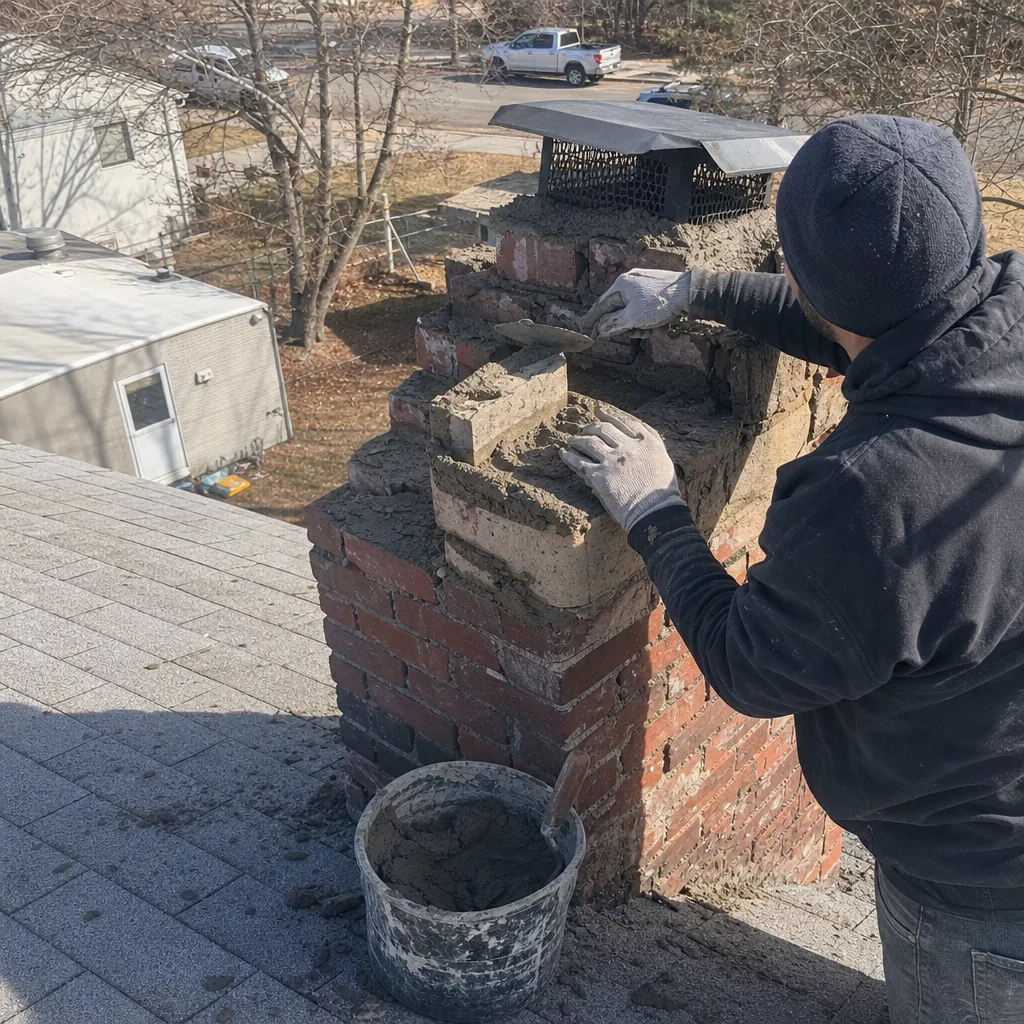
Spalling Brick Repair
Spalling is what happens when water gets inside a brick and freezes. The face pops off, sometimes in flakes, sometimes in chunks that land on the roof or drop down the flue. On Sandy’s older tract homes, spalling usually traces back to a cracked crown letting meltwater from canyon snows soak into the masonry. You can’t fix spalling by painting over it. The damaged brick has to come out and get replaced with matched material, and then the source of the water has to be addressed or it’ll just happen again.
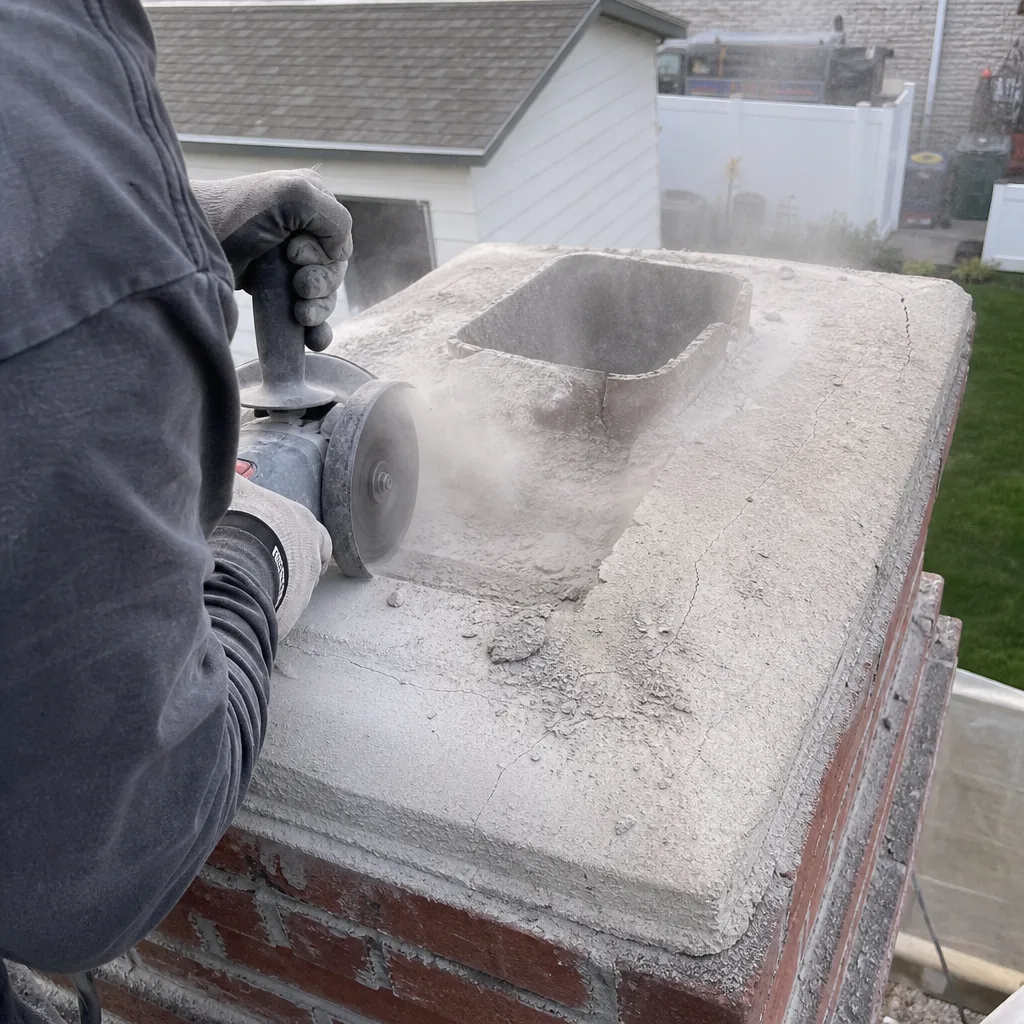
Chimney Waterproofing
A breathable waterproofing treatment on a masonry chimney keeps liquid water out while letting moisture vapor escape from inside. That’s the distinction that matters. Sealing a chimney with the wrong product traps moisture and accelerates the damage you were trying to prevent. We use vapor-permeable treatments on Sandy chimneys after repairs are complete, and we always fix the crown and flashing first. Waterproofing over a cracked crown is a waste of money.
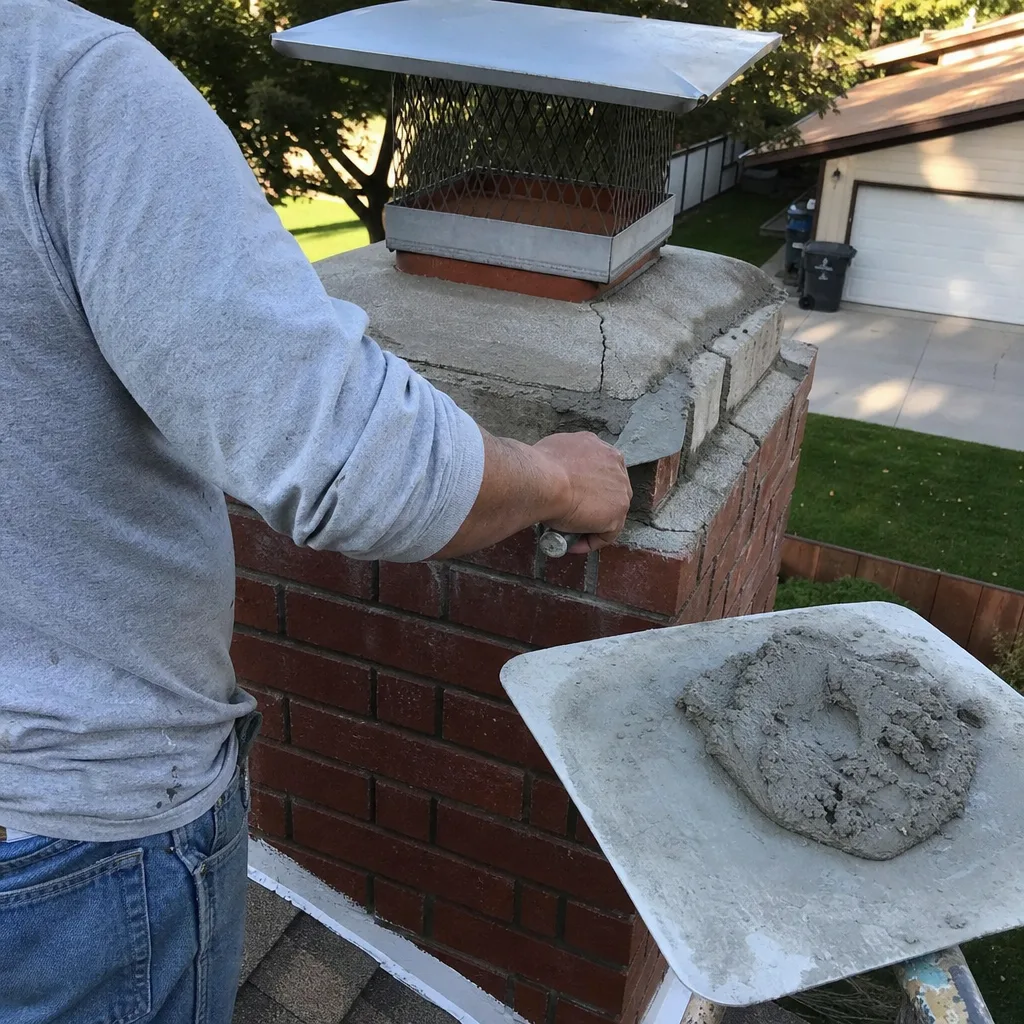
Flashing Repair
Flashing is the metal that seals the gap where the chimney meets the roof, and it’s the single most common source of chimney leaks we find in Sandy. Downslope winds off Little Cottonwood Canyon work at flashing constantly, lifting edges and opening seams that were tight when they were installed. A flashing failure looks like a chimney leak but it’s really a roof-junction problem, and it needs to be reworked, not caulked.
Trusted Brands We Service in Sandy
Repair work is only as good as the materials behind it. We install and work with DuraFlex flexible liner systems, HeatShield resurfacing compound, Gelco and Olympia Chimney components, along with Famco and Copperfield products where the application calls for them. These are the same professional-supply lines certified chimney institutes work with, not hardware-store substitutes. HeatShield resurfacing is worth knowing about if you’ve been told you need a full reline: it can restore a compromised liner without the cost of tearing the whole thing out, when the liner’s condition allows it. We don’t claim to keep parts on hand. What we can tell you is that when a repair needs a specific component, we source it from the right supplier rather than substituting whatever’s closest.
Common Chimney Repair Problems We See in Sandy Homes
- Canyon wind debris in uncapped flues. Homes up on the east bench in 84092 and 84093 sit directly in the path of Little Cottonwood downslope winds, which force downdrafts that pack birds and leaf debris into open flues. A blocked flue kills draft and pushes smoke back into the room. Valley-floor homes in 84070 and 84094 rarely see this pattern.
- Glazed creosote from inversion-season burning. Sandy’s winter inversions trap cold, stagnant air against the Wasatch Front for weeks at a time, and people burn hard through them. First-degree creosote that would normally get swept out each season instead sits in the flue through long idle summers and hardens into glazed third-degree creosote, which is far harder to remove and far more combustible.
- End-of-life prefab metal chimneys. A large share of Sandy’s 1970s to 1990s tract housing was built with early prefab metal chimneys. Those units are now at or past their service life, and their flue liners crack or separate at the joints. When that happens, creosote can reach the wood framing, which is the failure mode that actually starts chimney fires.
- Cracked crowns and failed flashing from freeze-thaw. Cold, snowy winters followed by hot dry summers are hard on masonry. Crowns crack, flashing lifts, and the next meltwater gets inside. In Sandy’s older tract homes, a masonry chimney often reaches the point where the firebox mortar joints crumble and the crown cracks at the same time, letting water from canyon snows soak into the brick.
The Part of Sandy Nobody Warns You About
Here’s the local pattern that generic chimney repair pages never mention. Sandy’s east bench sits at the mouth of Little Cottonwood Canyon, right where downslope winds accelerate as they exit the canyon and hit the first rows of houses. Those gusts do two things at once. They drive downdrafts that pull debris and nesting material into any flue that doesn’t have a proper cap, and they work at flashing and cap assemblies until they loosen. Then the inversion season starts, everyone burns hard because the smoke can’t escape the valley, and the accumulation happens fast inside a flue that may already be partially obstructed. That combination, canyon wind followed by heavy inversion-season burning, is why a Sandy chimney can go from fine to failing in a single winter. It’s also why we push property owners here toward annual inspection rather than the every-few-years schedule that works fine elsewhere.
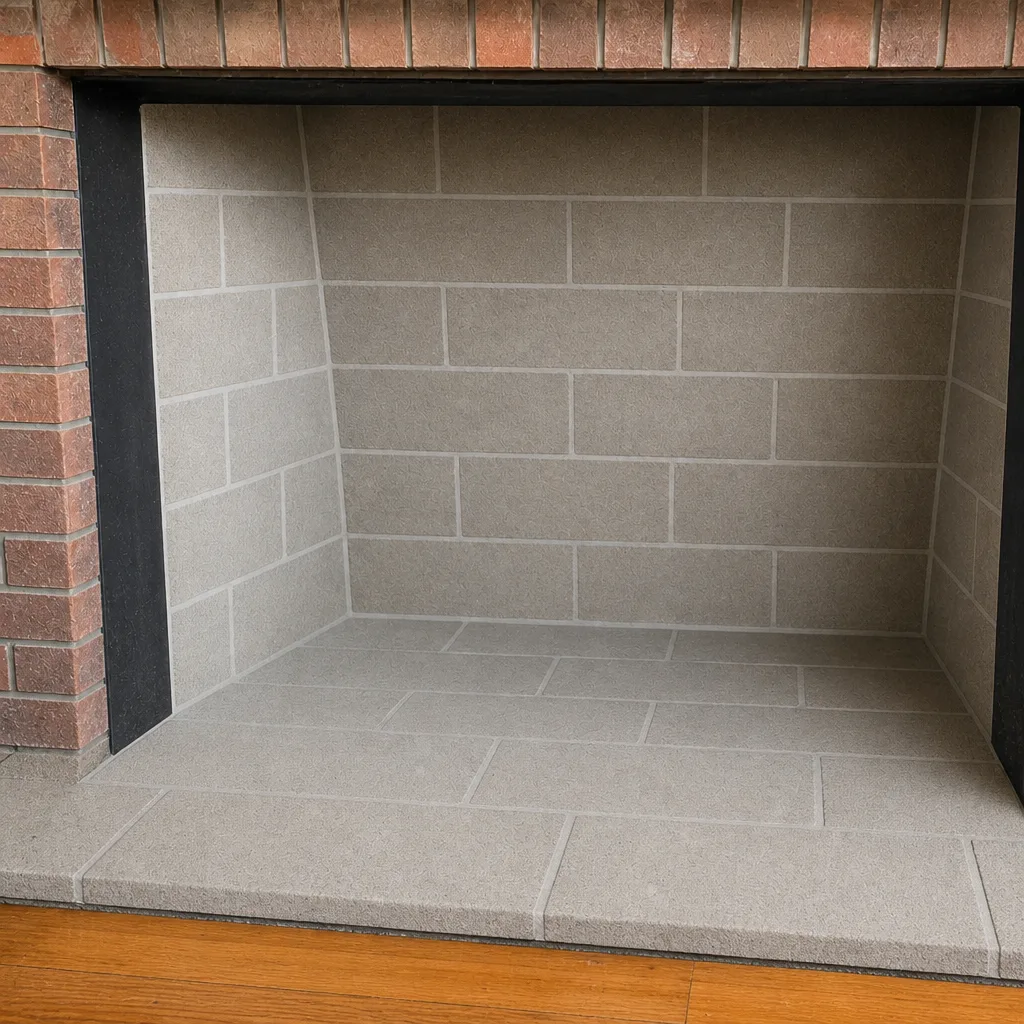
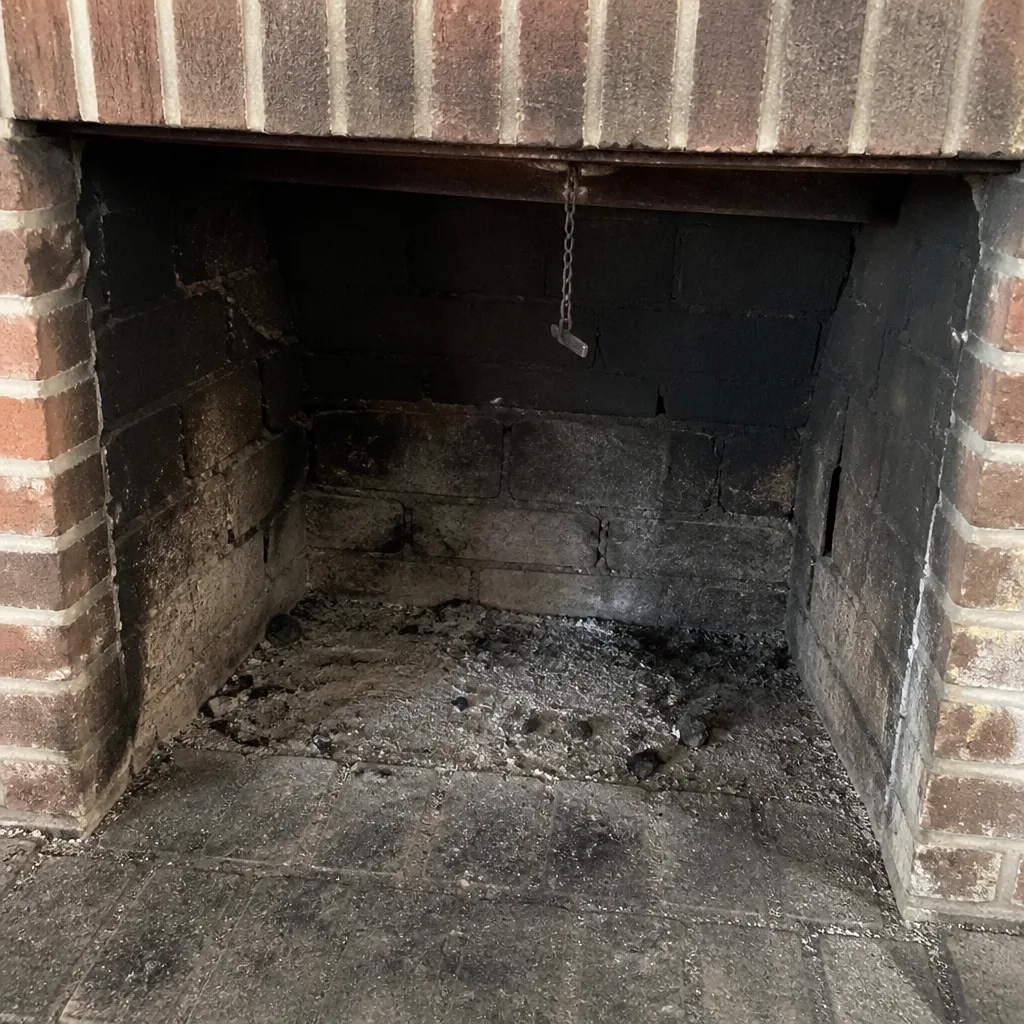
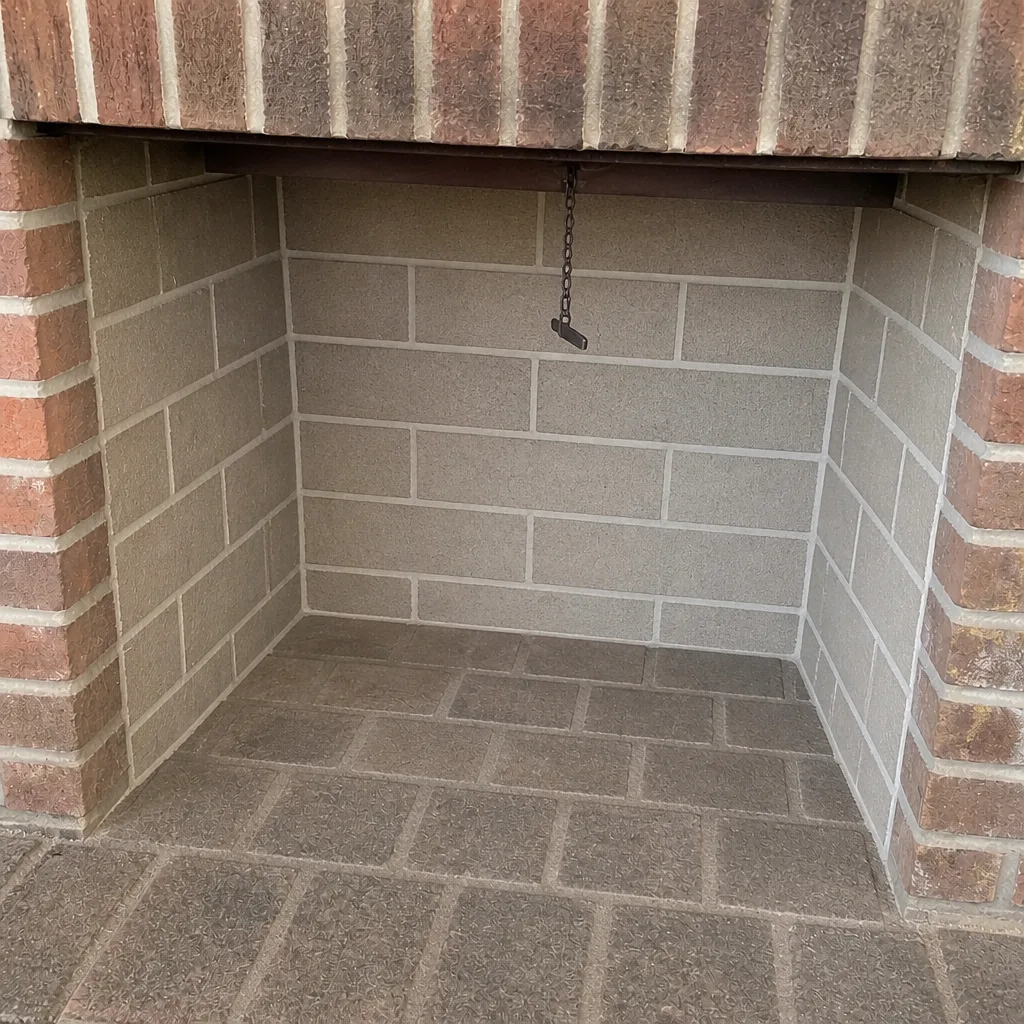
See the difference
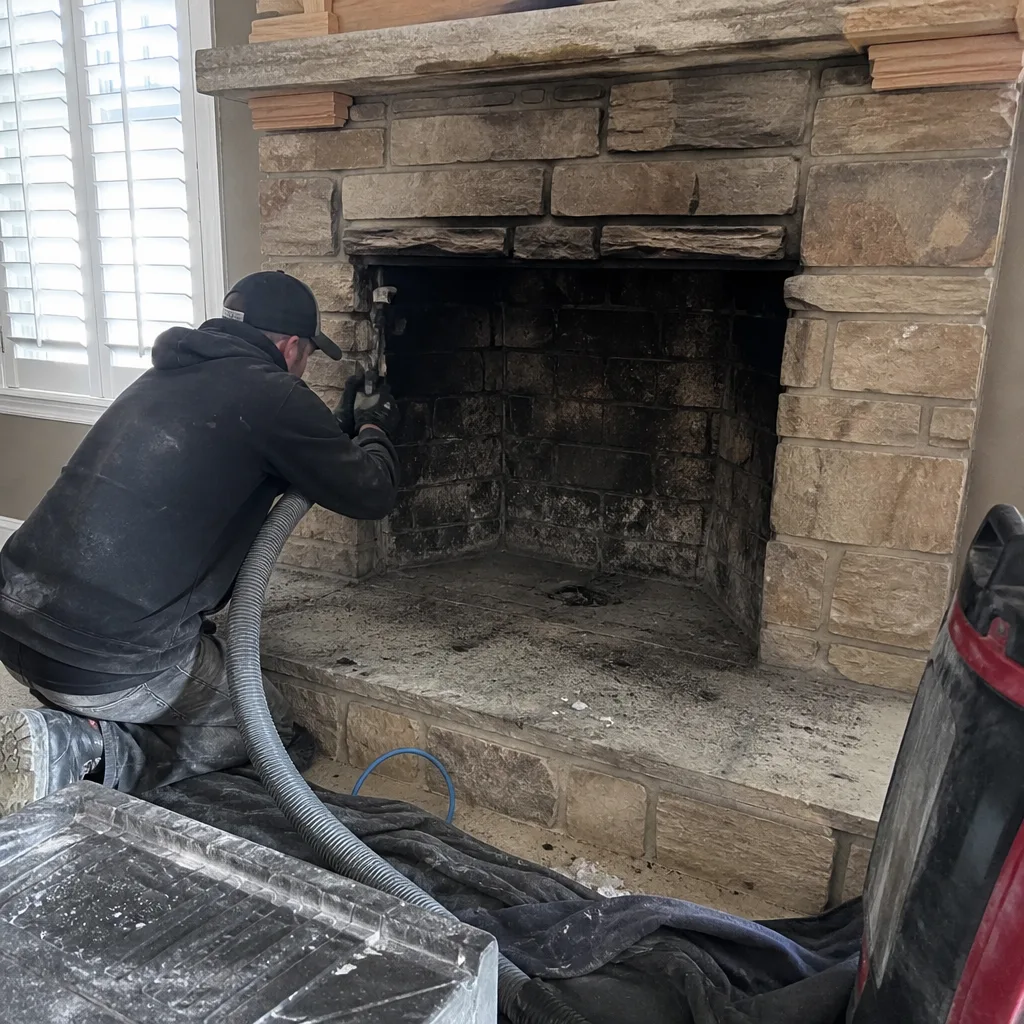 Before
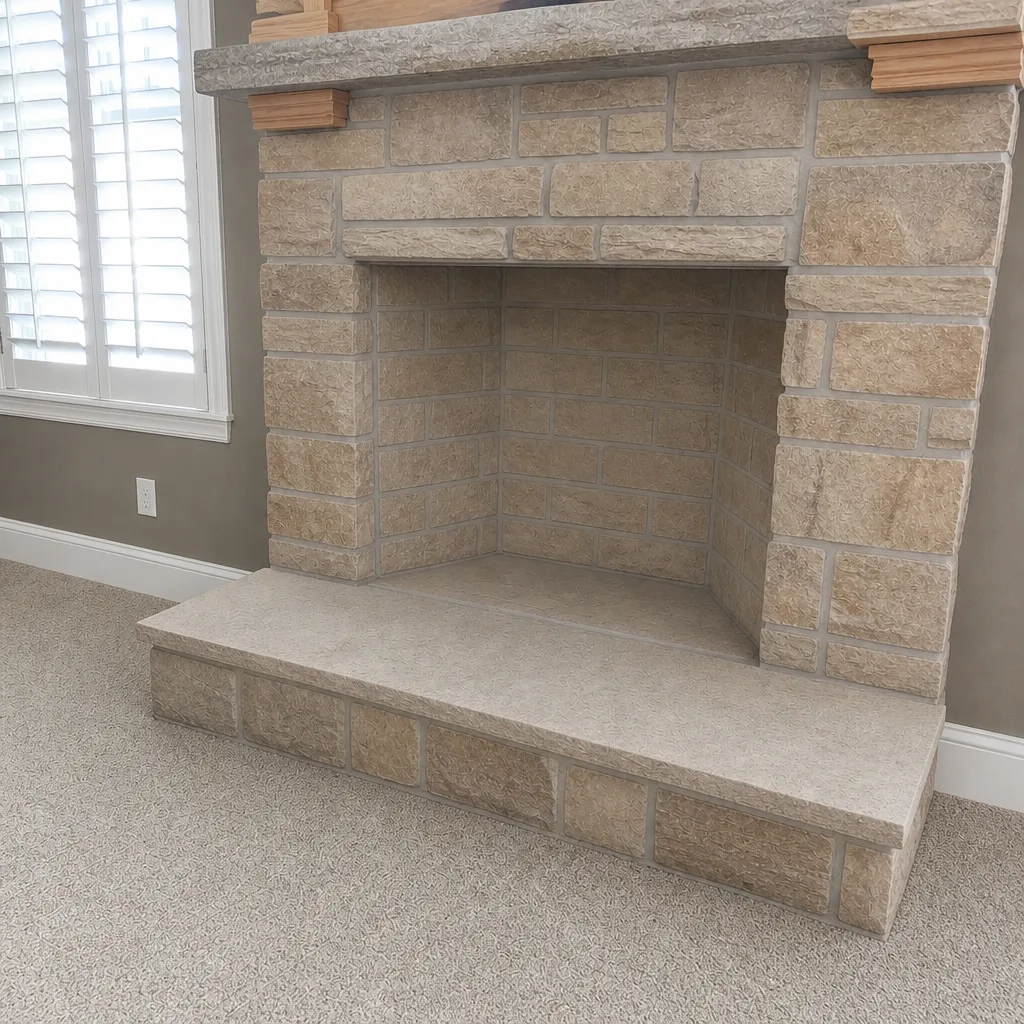 After
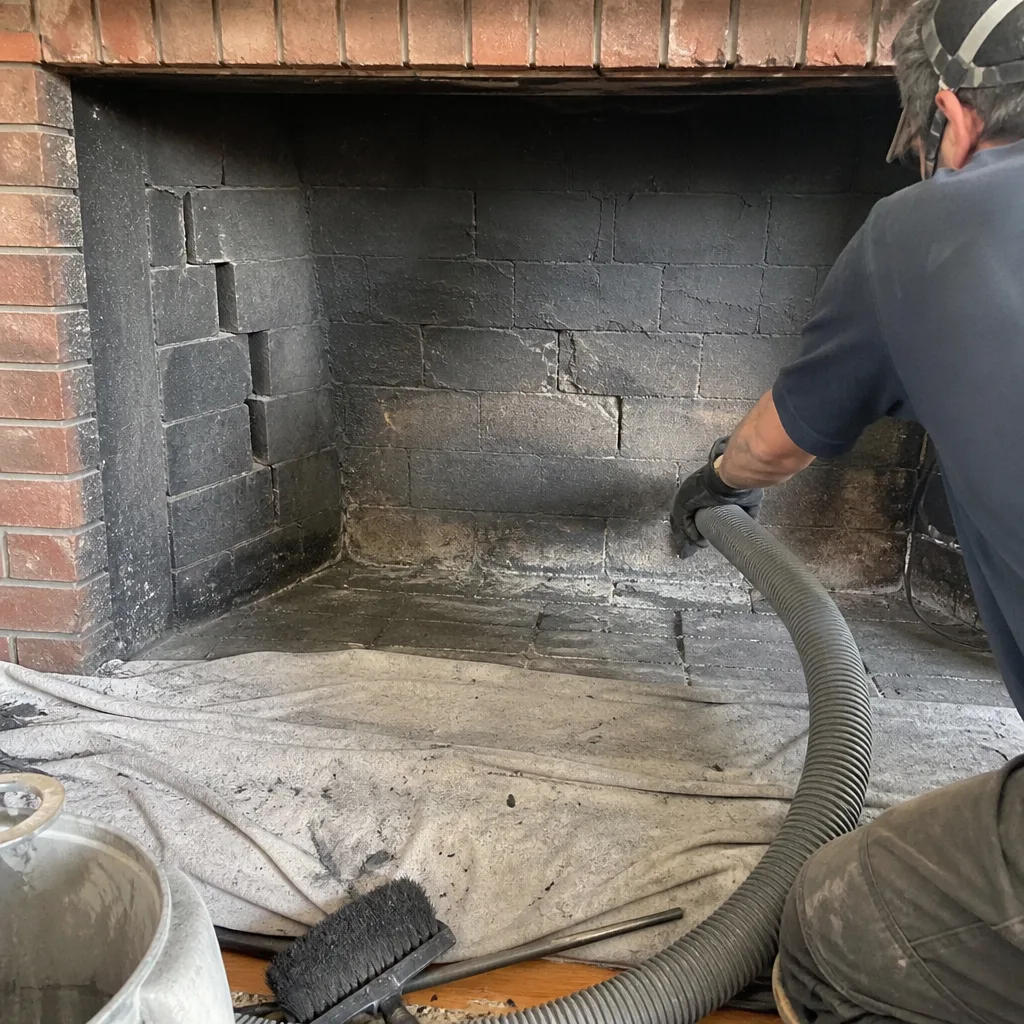 Before
 After
 Before
 After
Homes With More Than One Flue Need a Different Routine
The larger properties around Sandy, especially the foothill subdivisions with tall multi-flue stacks, need an inspection regimen built around how many appliances are actually connected. A four-flue chimney with two wood fireplaces, a gas insert, and a furnace vent is four separate systems sharing one structure, and each one has its own liner, its own draft behavior, and its own failure timeline. A Level 2 inspection on a house like that is a different job than checking a single open fireplace. When we finish, you get camera footage and photos you can look at yourself, because the real hesitation on a repair this size is being told you need thousands of dollars of masonry work with no way to verify it. Nothing gets recommended without evidence you can see, and we’ll tell you plainly when a repair can safely wait until next season.
Pricing for Chimney Repair in Sandy, UT
Repair pricing in Sandy tracks the local market, and the ranges below are typical estimates for the work involved. A mortar repointing job on a standard masonry chimney typically runs $600 to $1,800 depending on how much of the stack is affected. Spalling brick repair ranges from $400 to $1,200 for spot replacement up to $3,000 and more if a significant section has to be rebuilt. Chimney waterproofing runs $250 to $550 for a treated masonry stack once repairs are done. Flashing repair typically lands between $300 and $900, with more involved work on complex rooflines at the upper end. A full chimney rebuild, when it comes to that, starts around $4,000 and goes up from there. The written estimate sets the final price, and the estimate itself is free. Call (833) 482-6761 to schedule one.
We Also Serve Cities Near Sandy
Sandy shares a lot of chimney characteristics with the towns around it, and we work in them too. Midvale has similar mid-century and 1970s housing stock with aging prefab chimneys. Cottonwood Heights sits close enough to the canyon mouths to see the same wind-driven debris problems. Granite and White City are close enough to Sandy that a repair visit there is an easy add. If you’re just outside Sandy’s city limits, call and we’ll confirm coverage.
Serving Sandy, UT – Our Local Coverage Area
We serve Sandy and nearby communities. Use the map below to see the area we cover. If you’re nearby, we can almost certainly help.
FAQs – Chimney Repair in Sandy
Because each flue is a separate system with its own liner, draft path, and failure timeline, and a multi-flue stack hides problems that a single-fireplace inspection can’t reach. A Level 2 inspection with camera access lets us check every flue individually, including the ones connected to gas inserts and furnace vents that see year-round use. On Sandy’s larger foothill homes with three or four flues, skipping that per-flue check is how a cracked liner goes unnoticed until it fails. Call (833) 482-6761 to book an inspection.
Water, not fire, and the freeze-thaw cycle that comes with cold canyon winters. A hairline crack in the crown or a lifted flashing edge lets snowmelt into the brick, the moisture freezes and expands, and the brick face pops off. A chimney that never sees a fire can still spall badly if the crown and flashing aren’t sound. Call (833) 482-6761 for an assessment.
Inversion seasons push people to burn harder and longer, and that concentrates creosote in the flue faster than occasional burning would. Watch for a flue that smells strongly of creosote even when the fireplace is cold, dark shiny deposits visible at the top of the firebox, or smoke that rolls back instead of drawing up. Those point to an accumulation worth looking at before you light the next fire. Call (833) 482-6761 to schedule a sweep.
No, and the difference is the canyon wind. Homes on the east bench in 84092 and 84093 sit in the path of Little Cottonwood downslope gusts, which drive birds and leaf debris into uncapped flues. Valley-floor homes further from the canyon mouth see far less of it. The fix either way is a properly fitted cap. Call (833) 482-6761 for cap and crown work.
Once a year, ideally before the burn season starts rather than after a problem shows up. Sandy’s burn pattern, hard use during inversions followed by long idle summers, is exactly the setup that hides creosote buildup and hairline cracks until they’ve had a full season to get worse. An inspection is a standalone service here, so you can get an assessment even if you’re not due for a sweep. Call (833) 482-6761 and we’ll set it up. We answer 24/7, with fast dispatch from 7am to 7pm, Sunday through Friday.
If your Sandy chimney needs repointing, waterproofing, flashing work, or a full assessment before you burn again, we’re ready to take a look. Call (833) 482-6761 for a free estimate. You’ll get camera evidence, a plain explanation of what we found, and an honest read on what can wait. We answer 24/7. Fast dispatch from 7am to 7pm, Sunday through Friday.
Written by the team at Chimney Sweep Taylorsville.