
Last updated November 24, 2026
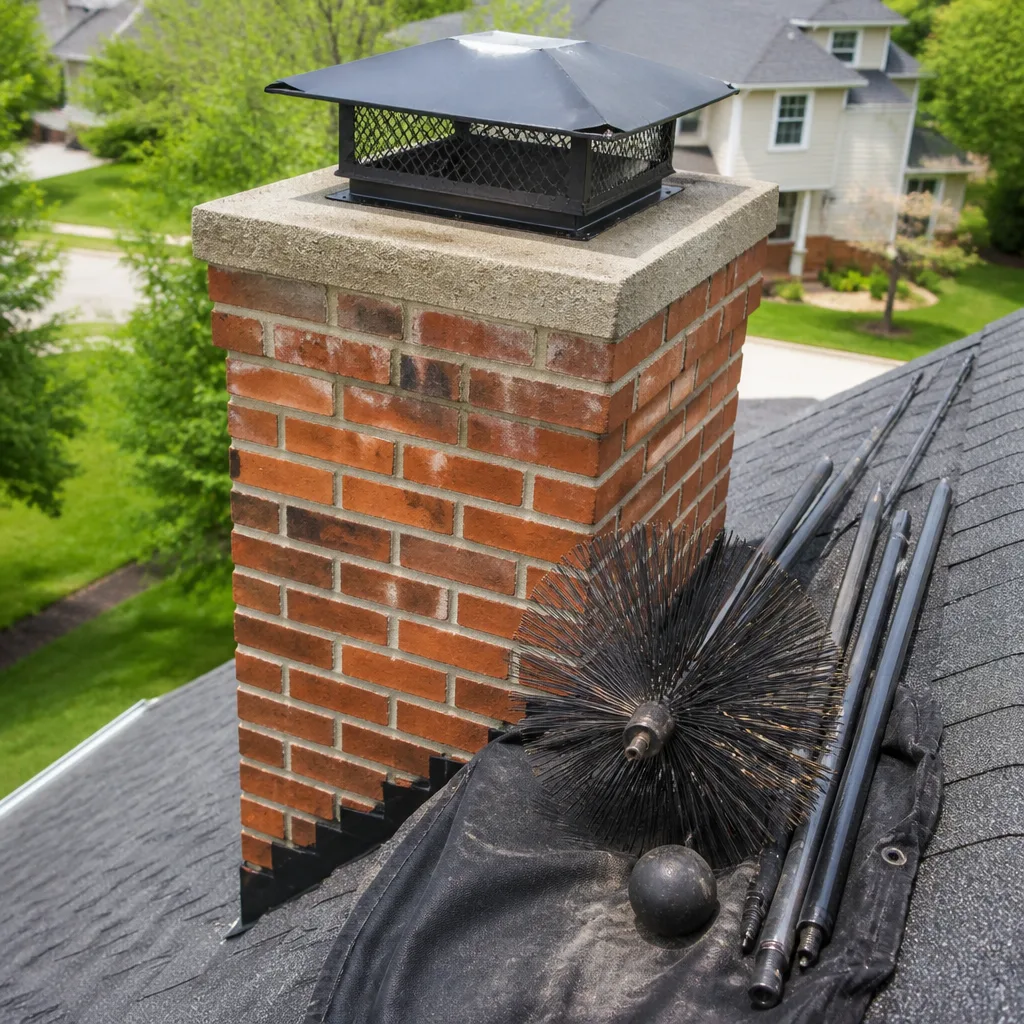 Sweep & inspection
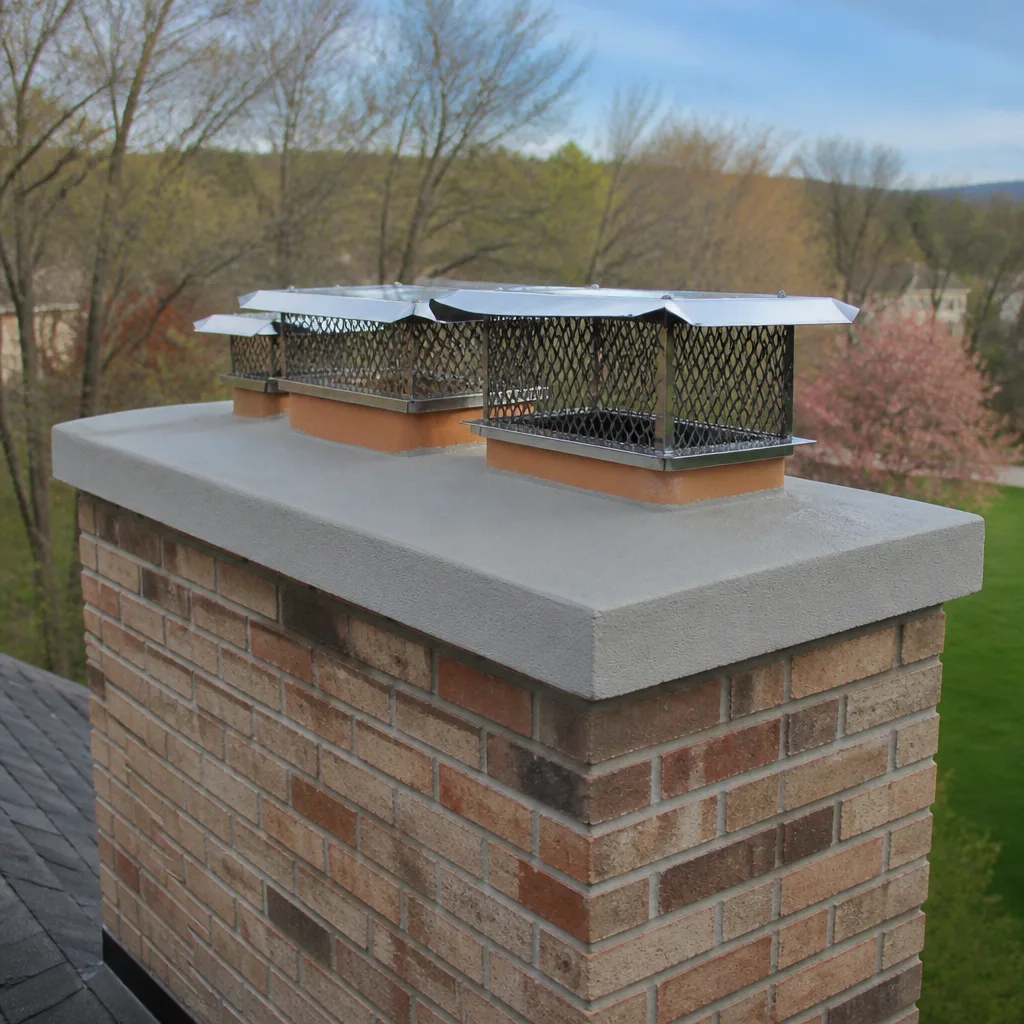 Caps & crowns
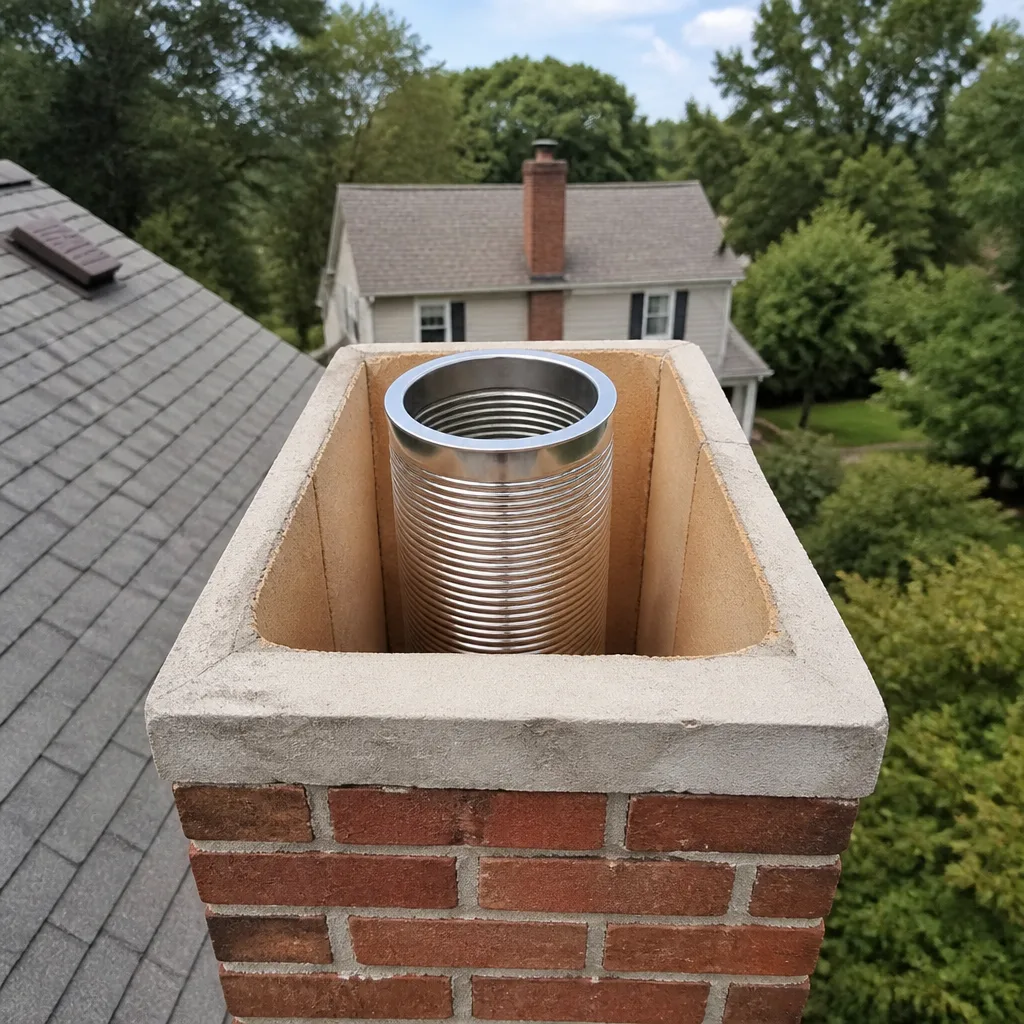 Flue relining
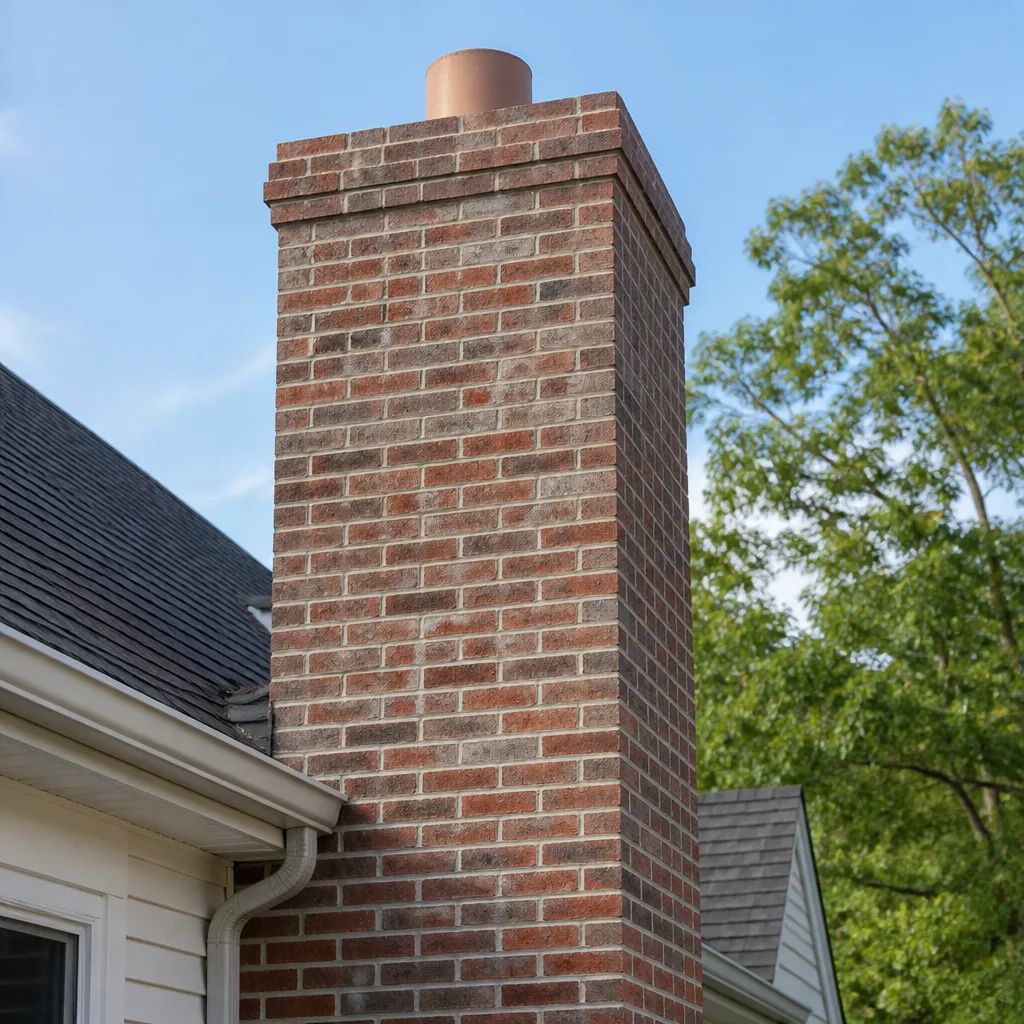 Masonry repair
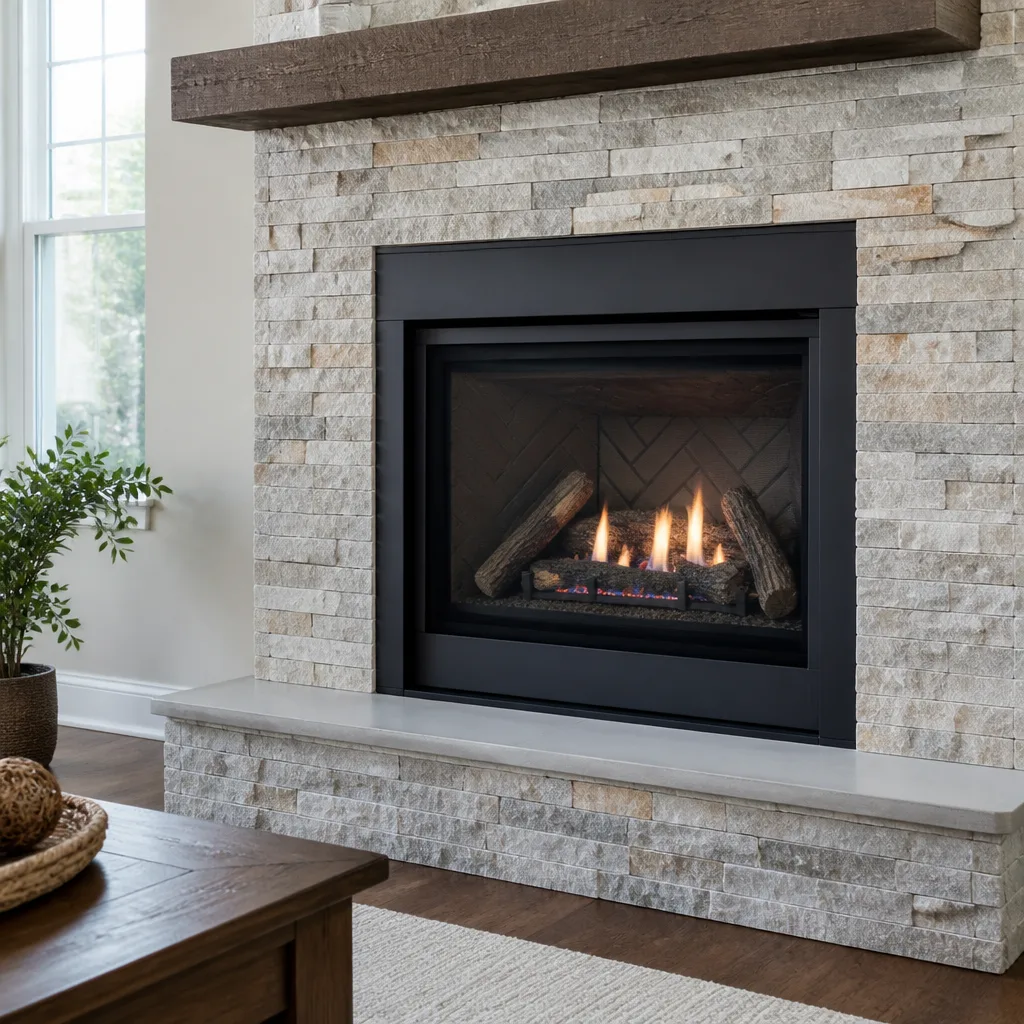 Gas fireplace service
Level 1 sweep and inspection to the NFPA 211 annual standard - flue, crown, cap, and flashing checked and photographed
Chimney sweep logs do not sweep chimneys. They loosen some creosote - which then falls where a brush and vacuum still have to collect it.
How to Hire a Chimney Cleaning Contractor in Taylorsville: A Step-by-Step Guide
In Utah, anyone with a Shop-Vac and a brush can legally call themselves a chimney sweep. There’s no state licensing board specifically for chimney cleaning, which means the credential gap between operators is enormous and, to most homeowners, invisible. Two outfits can hand you a similar-looking invoice after a visit, and only one of them actually knows what they were looking at inside your flue. This guide walks you through how to tell the difference before you book, what to ask on the phone, and how to compare quotes that describe wildly different scopes. We’ll cover the certifications that matter, the red flags that show up in the Taylorsville market, and why a full-system specialist usually costs more up front but saves you a second call.
Quick Answer
Hire a chimney contractor by verifying real industry certification (CSIA or NFI, not just a generic contractor license), asking whether they can repair what they find, demanding a written scope with line items before any work starts, and treating a fee-waived inspection bundled with a sweep as a sales tactic rather than a bargain. In Taylorsville, where no state license covers chimney work specifically, those questions are the only real filter you have.
Styles & brands we work with
- Sweep & inspection
- Caps & crowns
- Flue relining
- Masonry repair
- Gas fireplace service
Table of Contents
- Why Hiring a Chimney Contractor in Taylorsville Is Harder Than It Looks
- Which Certifications Actually Mean Something
- Questions to Ask Before You Book
- Red Flags in the Local Market
- How to Compare Quotes When Scopes Differ
- Why a Full-System Specialist Beats a Cleaning-Only Crew
- What Taylorsville’s Winters Do to Your Chimney
- A Step-by-Step Hiring Walkthrough
Why Hiring a Chimney Contractor in Taylorsville Is Harder Than It Looks
Chimney work sits in an odd regulatory gap. General contractor licensing in Utah covers building trades broadly, but there’s no separate state credential for chimney sweeping, inspection, or relining. That means the phrase “licensed and insured” on a business card tells you something about general liability, but almost nothing about whether the person on your roof has ever been trained on flue geometry, draft pressure, or creosote stages.
What fills that gap is industry certification, and it’s voluntary. A CSIA-certified sweep has passed a proctored exam and committed to a code of ethics. An NFI-certified technician has documented training on venting and hearth appliances. The absence of those credentials doesn’t automatically make someone bad, but their presence is the closest thing to a guarantee you’ll get in a market with no state oversight.
The second complication is the shape of the local contractor pool. Taylorsville and the surrounding Salt Lake Valley have three rough categories of chimney provider:
- Cleaning-only crews who sweep, hand you a receipt, and refer you elsewhere the moment they find cracked mortar or a failed liner. You pay twice: once for the sweep, once when the second contractor comes out to actually fix something.
- Handyman add-ons where chimney work is a sideline. They may handle a cap or a simple crown, but structural repair, relining, and HeatShield resurfacing are outside their training.
- Full-system specialists who sweep, inspect, repair masonry, install caps and crowns, and handle relining with professional-grade materials. One visit, one scope, one accountable party.
Most homeowners discover which category they hired only after the sweep is done, the problem is found, and the crew announces it can’t fix it. The goal of this guide is to sort that out before anyone climbs on your roof. Whether your chimney needs a routine chimney sweep or a structural assessment, the vetting process is the same.
Which Certifications Actually Mean Something
A CSIA certification and an NFI certification mean real training for chimney work. A generic contractor license doesn’t apply to chimney systems and shouldn’t be accepted as a substitute. Here’s how to read the credentials you’ll encounter.
CSIA (Chimney Safety Institute of America) is the sweeping standard. A CSIA-certified sweep has passed a written exam covering codes, venting, and combustion safety, and they’re required to keep up with continuing education. This is the credential to look for first. If a company advertises CSIA certification on their website, ask for the technician’s name and check the CSIA directory before booking. Certifications are held by individuals, not companies, so “our company is certified” is a claim worth verifying down to the technician who’ll be in your home.
NFI (National Fireplace Institute) covers hearth appliances specifically: wood stoves, gas inserts, and venting. An NFI-certified technician has documented training on how those appliances interact with the flue. If you have a gas fireplace or insert, this is the certification to ask about on top of CSIA.
What does not count:
- A general Utah contractor license, taken alone. It tells you the business is registered, not that anyone knows chimney work.
- “Certified” with no issuer named. Ask who certified them and when.
- A certificate of insurance treated as a credential. Insurance protects you if something goes wrong; it’s not evidence of training.
The important step is to ask the question out loud on the phone: “Is the technician coming to my home CSIA-certified?” A straight answer with a name and a certification number is what you want. A vague one is your cue to call someone else.
Questions to Ask Before You Book
What a contractor can actually do mid-job separates a cleaning service from a chimney specialist. A sweep who finds a crack in the liner hasn’t solved your problem. A specialist who finds it can quote the repair, explain the timeline, and handle it in the same engagement. Here are the interview questions that surface which kind of provider you’re talking to.
- “Can you repair what you find on the same visit, or do I need a second contractor?” If relining, crown repair, and masonry work are all in-house, the answer is straightforward. If not, you’ll be coordinating between trades, and any overlap between them becomes your problem.
- “Do you include a camera inspection with the sweep?” A brush and a flashlight can spot obvious creosote and soot. They can’t see a cracked liner flue from the inside. A camera inspection tells you exactly what’s there, and gives you the photo record to compare against a second opinion.
- “What materials would you use if a repair is needed?” Professional-grade materials from manufacturers like DuraFlex and HeatShield are standard for liner work. A vague “we use whatever’s available” is a warning sign. A specific answer tells you whether the shop carries true repair capability.
- “Is the inspection fee separate from the sweep, and what’s the total to expect?” Some companies waive the inspection fee with a paid sweep, and what that means in practice is covered in the next section. Ask for the line items before anyone arrives.
- “Will I get a written report, photos included?” You should be handed documentation of what was found and what’s being recommended. Without it, you can’t verify anything the technician tells you after the fact.
- “If you find a structural issue, how do I know what’s urgent and what can wait?” A good technician tells you plainly when work can safely wait. If nothing is ever “fine for now,” you’re being sold to.
Take notes on the answers. The pattern across all six tells you more than any single response. If the answers get specific and technical, you’ve found someone who understands chimney systems as whole assemblies, not just flues to be scrubbed. If the answers stay generic, keep calling.
Red Flags in the Local Market
A low-ball door-hanger price and a fee-waived inspection with a sweep are warning signs, not bargains. Both tend to mean the price of the sweep is being made up later in recommended work. Taylorsville’s chimney market, like much of the Wasatch Front, has its own characteristic patterns worth knowing.
The door hanger with a too-low price. A sweep offer that comes in notably under what other local contractors quote is usually a foot-in-the-door figure. The technician arrives, finds something urgent, and the real estimate is presented while the brush is still on their shoulder. You’re under pressure inside your own home, and the price of the sweep is no longer the number you saw on the hanger.
The inspection fee waived with a paid service. This one is subtle because it can be legitimate. The question is what the waiver is doing. If the inspection is genuinely free with a sweep and the report is thorough and honest, that’s a reasonable business model. If the waiver is contingent on you buying recommended work, the inspection is a sales tool, not an assessment. Ask plainly: “If you find nothing needing repair, do I still pay the sweep fee as quoted?” The answer tells you everything.
The “we recommend a full reline” quote handed over without photos. Liner replacement is one of the most expensive repairs in chimney work, and it should never be recommended without visible evidence. Ask to see the photos. Ask the technician to point to the specific damage on the camera record. If they can’t, they either didn’t do a proper inspection or they’re selling a job you don’t need.
The sideline sweep. A landscaping contractor who also does chimneys, or a “full-service home services” company where the chimney is one line. Both can be fine for a cap installation. Neither has the training or the material supply relationships to handle a reline or a HeatShield resurfacing properly. Those are specialized skills, and a specialist is worth the small premium.
No written scope before work starts. You should see a quote with line items on paper before anyone begins. Verbal-only quotes leave you with no defensible record if the price changes mid-job. Insist on paper.
How to Compare Quotes When Scopes Differ
Two chimney quotes are rarely apples to apples, and the one with the lower number can end up costing more. Comparing them accurately means forcing both quotes into the same line-item structure before you decide. Here’s the comparison grid to demand in writing.
- Sweep: Is this brush-and-vacuum only, or does it include the fireplace firebox, smoke chamber, and damper? What about the flue only? A “sweep” is ambiguous; ask what gets cleaned and what doesn’t.
- Inspection: Is it a Level 1 (visual, from the firebox and roof), Level 2 (camera in the flue, standard for any repair recommendation or property transfer), or Level 3 (full access, used for structural issues)? All three are different scope and different cost.
- Report and photos: Is a written report included, with camera photos of the flue interior? Without photos, you can’t verify any recommendation.
- Repair items: If a repair is recommended, ask: what material, what brand, what warranty? A crown repair with Famco materials and a reline with a DuraFlex system are professional-grade specifications. A generic “repair” line is not.
- Permits and code compliance: Some repairs (especially relining) require permits in most Utah jurisdictions. Ask who pulls the permit and what the inspection process is. If they don’t mention it, ask.
- Final price and estimate validity: The written estimate sets the final price. Confirm the estimate is what you’ll be billed and that no additional line items are added without your written approval.
Hold two quotes side by side against that grid. If one has a lower total but a shorter scope (sweep only, no firebox, no report), the totals are meaningless. Call each contractor back and ask them to specify the missing items. The honest one will happily add detail. The other will hedge.
The other thing to compare is repair capability. A quote to sweep is a quote to sweep regardless of who gave it. A quote to sweep where the contractor can also handle a found-cracked liner with a HeatShield resurfacing is a fundamentally different scope of capability. That’s the value difference to price into the comparison.
Why a Full-System Specialist Beats a Cleaning-Only Crew
A full-system chimney specialist costs more for the initial sweep, and often less across the life of the system, because you don’t pay a second contractor to fix what the first one found. Here’s the math in structure rather than dollars.
When a cleaning-only crew finds a structural issue, three things happen:
- The sweep finishes (you pay for the sweep).
- The crew hands you a note or a verbal referral: “You need a liner.” (You have no report, no photos, no estimate.)
- You find a second contractor, they come out, they do their own inspection (you pay for the second inspection), then they quote the repair (you pay for the repair).
A full-system specialist collapses those into one visit. Same sweep, same inspection, and if a repair is needed, it’s quoted in the same report with photos you can see. You pay for one dispatch, one assessment, and one set of camera evidence. Even if the repair cost is identical, the total you pay is lower, and the timeline is shorter. You also don’t get caught in the gap between two contractors where nobody wants responsibility for a repair the other one described.
The specialist brings something else, too: repair depth. “Repair depth” is the difference between a shop that can only clean and a shop that can actually address the damage they find. That means materials that come from professional supply lines, not retail substitutes. HeatShield resurfacing, for instance, restores a compromised liner without full replacement, which is a specialist method, not something every sweep carries. Flexible relining with a DuraFlex system is another. A cap and crown installation with a properly graded, professionally sealed crown matters differently than a hardware-store patch. These distinctions show up the moment a real problem is found.
The trade-off is real. A cleaning-only sweep may quote less for a routine maintenance visit, and if your chimney is in excellent condition and nothing changes for years, you pocket the difference. The risk is the case where something is found. In our experience, most homeowners who call us after using a cleaning-only crew are calling because they now have a problem the first crew couldn’t solve, and they’re paying for the second opinion on top of what they already spent. If you want the full system handled by one contractor, from the firebox floor to the cap on top, the specialist is the simpler call.
What Taylorsville’s Winters Do to Your Chimney
Wasatch Front winters are the hardest test a chimney faces. Freeze-thaw cycles in Taylorsville drive water into tiny cracks in mortar and brick, then expand that water when the temperature drops below freezing overnight. A hairline crack in the crown becomes a spalling brick over a season or two. Water intrusion is the most common source of long-term structural damage in this climate, and the crown and cap are where it usually starts.
Two things follow from that. First, your chimney works hardest in winter, so the inspection and sweep want to happen before the season, not after the problem. A crown that’s failing in October is a crown that lets water in all winter. Second, the materials spec matters more here than in a mild climate. In a place with hard freezes, a professionally graded, properly cured crown holds up. A quick mortar patch doesn’t. Caps that vent properly and shed water correctly keep the flue dry, and a dry flue doesn’t crack.
The other seasonal factor is burning behavior. Taylorsville homeowners burn more steadily through the cold months than in milder climates, which means creosote buildup accelerates. A sweep before the burn season catches what accumulated the previous winter and lets the technician assess the liner before a new season loads it up again. By the time the fire’s on, you’ve already verified the system.
Caps and crowns are weatherproofing, not decoration. A chimney cap with a proper crown handles snow, rain, and the odd ice event better than the open flue does, and it keeps birds and debris out of the flue. For anyone in the area doing a routine chimney repair on a masonry stack, the crown is usually the item that pays for itself first.
A Step-by-Step Hiring Walkthrough
Here’s the process in order, from first search to signed estimate. The whole thing takes about a week if you’re efficient, and it’s worth doing properly.
- Start with a real query. Search for “chimney sweep Taylorsville UT” or “chimney inspection Taylorsville.” The results will mix franchises, local independents, and national directories. Directory listings are a starting point, not a recommendation.
- Verify CSIA certification. Call the CSIA directory or check it online. Certification is per-technician, not per-company, so ask who’ll be in your home.
- Make three phone calls. Ask the six interview questions from earlier. Note how specific the answers are. A technician who can explain draft pressure and flue geometry in plain English is a technician who knows chimney systems.
- Request written estimates. Each one should be line-itemed on paper, with the scope spelled out (sweep, inspection level, report and photos, repair quote if applicable).
- Compare scopes, not totals. Use the grid in the quote-comparison section. Bring the missing line items into every quote before choosing.
- Confirm repair capability. If repair is possible, confirm the contractor can handle it in-house with professional-grade materials. A referral to another shop is a sign you’re hiring a cleaning service, not a specialist.
- Book the visit and keep the report. After the visit, keep the written report and photos. They’re your baseline for the next inspection and your evidence if a future quote ever seems inflated.
One note on timing. There’s a natural back-to-school rhythm here: the visit you schedule in late summer or early fall means you’re ready before the burn season, not calling after the smoke’s already filled the house. Book the inspection on that rhythm, and the appointment happens when it needs to happen, not when it’s forced. You can read more about how a fireplace repair works alongside the sweep in a separate guide.
Common Mistakes to Avoid
- Accepting a generic contractor license as a chimney credential. A Utah general contractor license doesn’t cover chimney systems. Two sentences: it tells you the business pays its registration fees, not that anyone is trained for chimney work. Ask for CSIA or NFI instead.
- Letting the inspection be waived inside a paid service. A fee-waived inspection is a sales structure, not a free service. Two sentences: it means the inspection exists to generate repair quotes. Ask instead what a standalone inspection costs and how many pages the report is.
- Scheduling a sweep without asking what the sweep covers. “Sweep” can mean flue-only, flue-plus-firebox, or the full system including smoke chamber and damper. Two sentences: the scope difference is hundreds of dollars of labor. Specify in writing before booking.
- Booking the first available slot without a written estimate. The visit cost should match the estimate you agreed to, not what the technician announces on arrival. Two sentences: without a signed scope, the price is variable. Always get the estimate in writing before scheduling.
- Accepting a liner recommendation without photos. Liner replacement is one of the largest chimney expenses. Two sentences: it should never be recommended without a visible camera record. Ask for photos and a specific description of the damage location before you agree.
- Hiring a cleaning-only crew when repair is likely. If the chimney is old, has known masonry issues, or has never been inspected, plan for the possibility of a found problem. Two sentences: a contractor who can’t repair what they find leaves you with an open item. A full-system specialist collapses it into one visit.
- Skipping the sweep because nothing feels wrong. Chimneys don’t announce creosote buildup or early liner cracks. Two sentences: the whole purpose of a sweep and inspection is to catch what the homeowner can’t see or smell. Annual maintenance is cheaper than the repairs it prevents.
See the difference
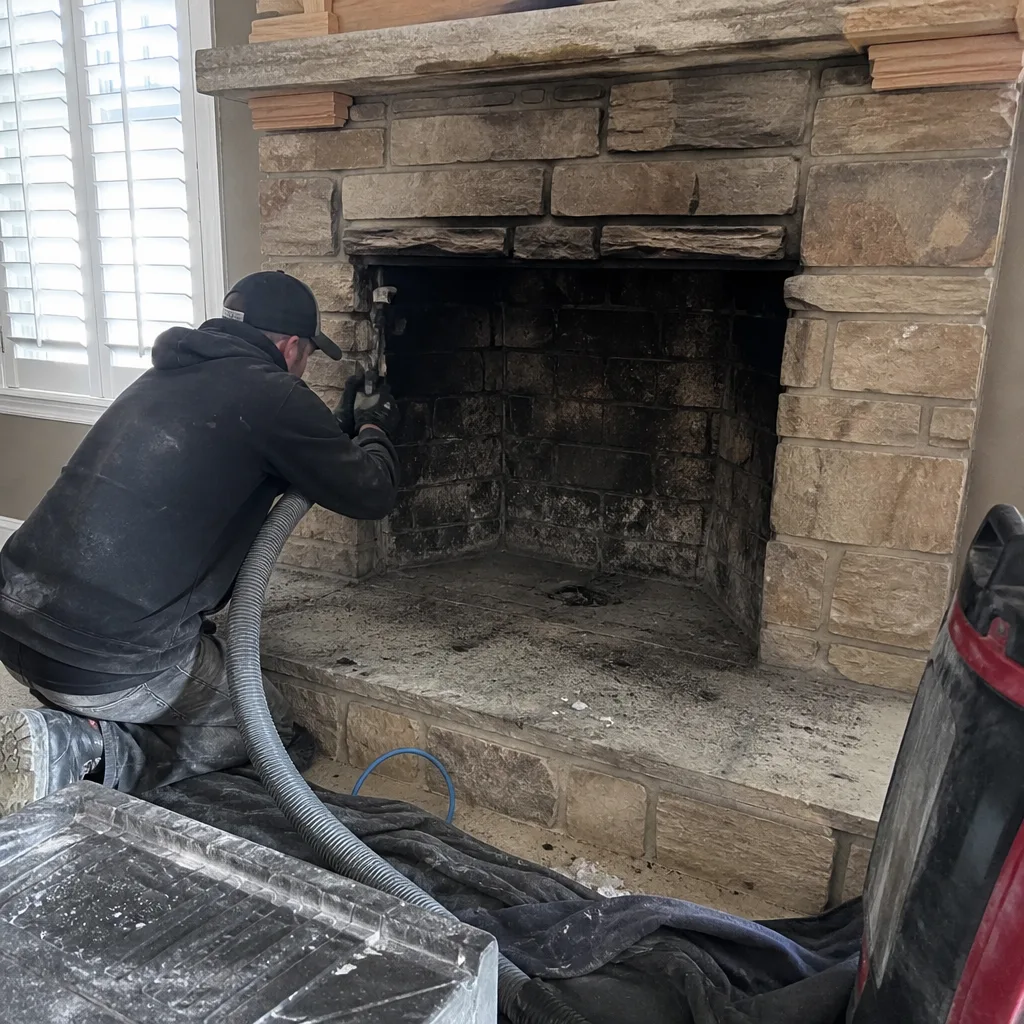 Before
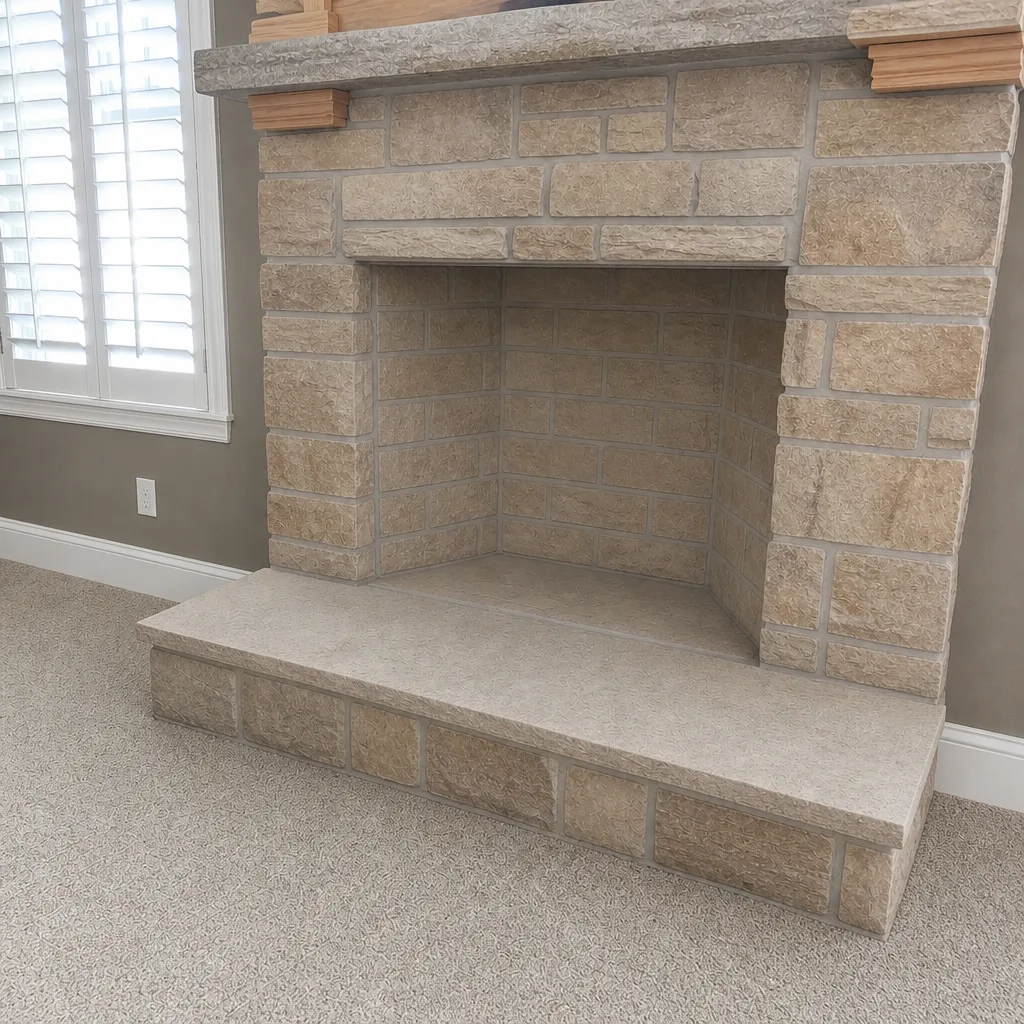 After
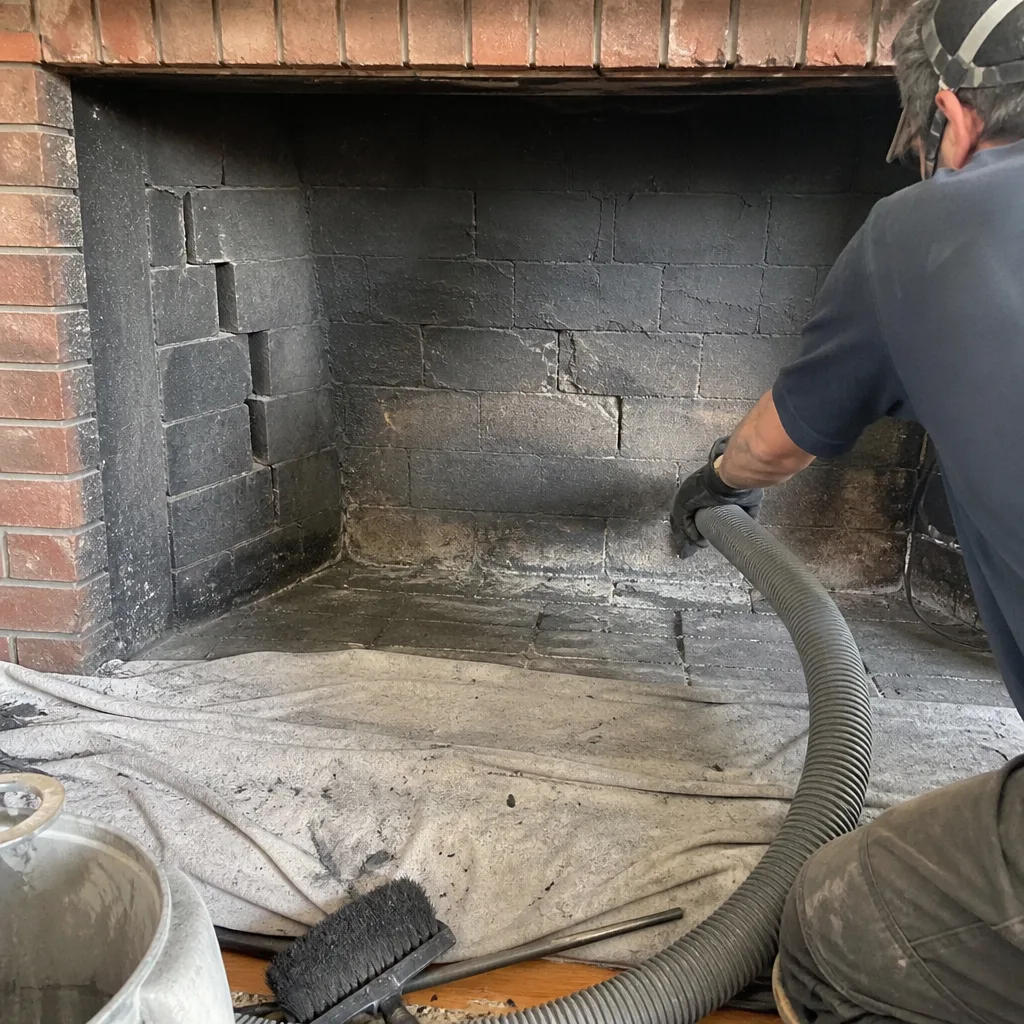 Before
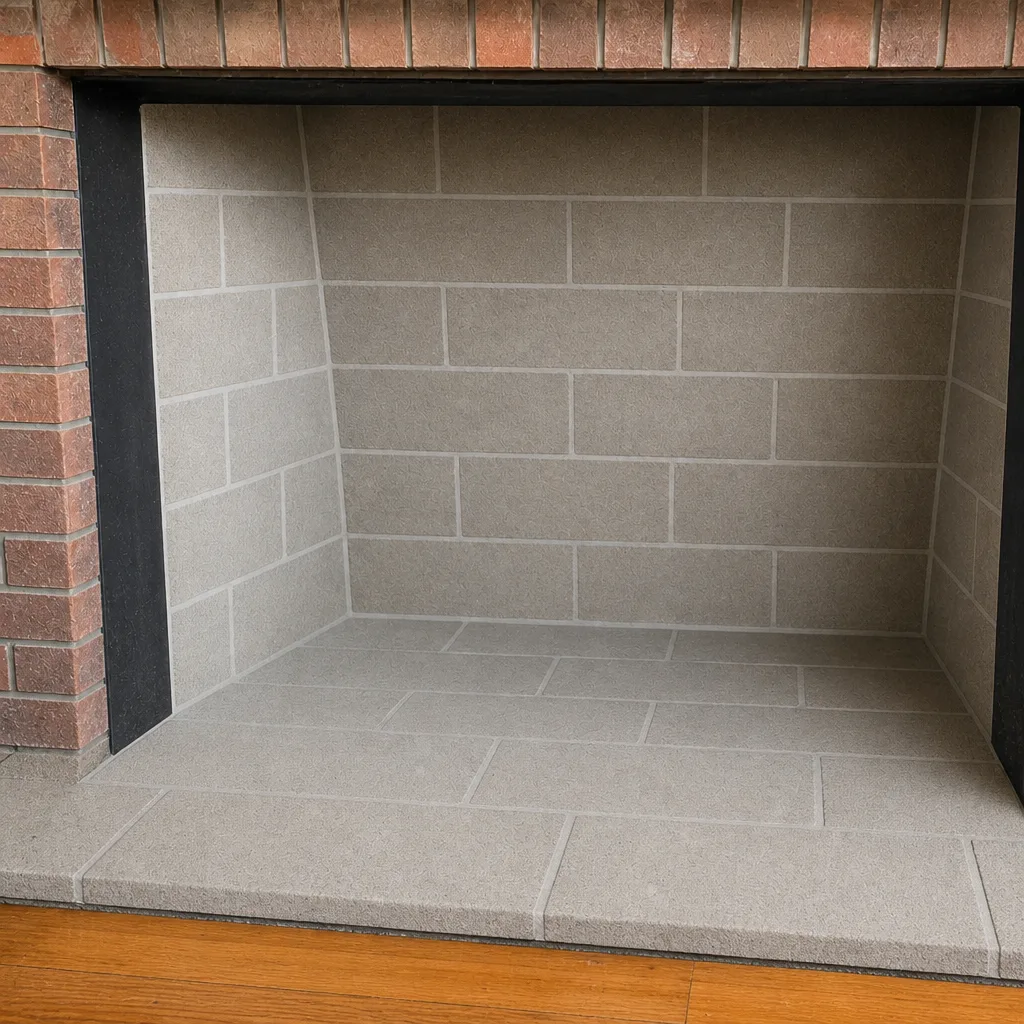 After
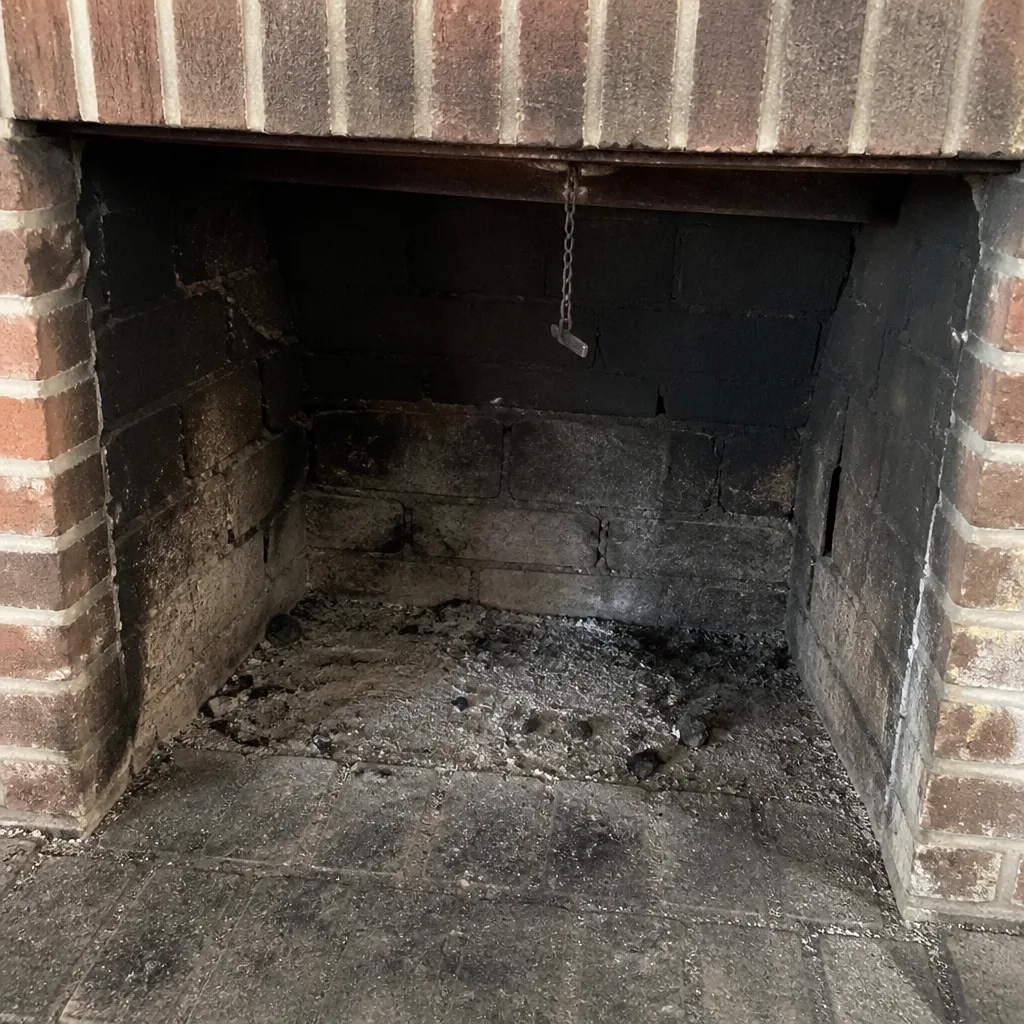 Before
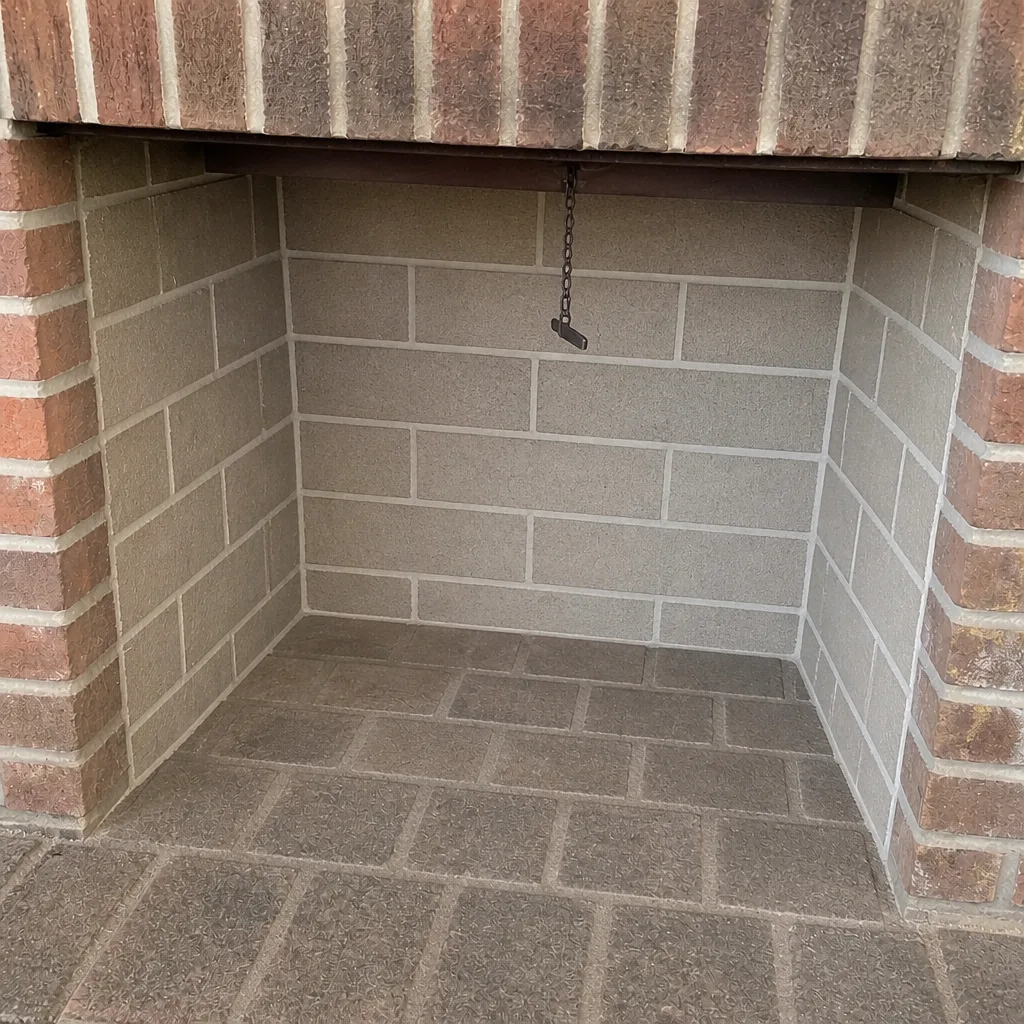 After
When to Call a Professional
Call a chimney professional when the flue hasn’t been swept or inspected in a year or more, when you’re buying or selling a home with a wood-burning or gas fireplace, when you’ve noticed creosote buildup on the damper or firebox walls, or when you smell smoke in the house on a fire that used to draft well. Call when the crown looks cracked or the cap is missing, when masonry shows spalling or crumbling mortar, or when there’s any sign of water damage at the chimney. Never diagnose a chimney yourself. The interior of a flue is not something you can assess from the firebox, and the repairs needed aren’t DIY-appropriate. Chimney Sweep Taylorsville offers free estimates in Taylorsville. Call (833) 482-6761. We answer 24/7. Fast dispatch from 7am to 7pm, Sunday through Friday.
If your concern is the firebox or insert rather than the flue itself, a fireplace repair assessment covers that separately. If you’re not sure which you need, ask when you call.
Frequently Asked Questions
A routine chimney sweep in Taylorsville typically runs in the low-to-mid hundreds of dollars depending on flue size, firebox configuration, and whether the visit includes an inspection. A sweep plus a Level 2 camera inspection costs more than a sweep alone, but it’s the inspection that tells you whether a repair is needed. Push for a written estimate before booking and confirm what the sweep scope actually covers. Call (833) 482-6761 for an exact quote. The estimate is free.
You need a new liner only if a camera inspection shows visible damage: cracks, gaps, spalling, or a failed connection at an appliance collar. A technician should never recommend relining without photos of the specific damage. Ask to see them. If the liner is sound, a HeatShield resurfacing may extend its life without full replacement, which is a cheaper alternative worth asking about. Call (833) 482-6761 for an exact quote. The estimate is free.
A chimney should be swept annually if you burn wood regularly. For gas fireplaces, annual inspection is standard even though the flue stays cleaner. The annual cadence means any crack or joint failure gets caught in September instead of December, which matters a lot in a Wasatch Front winter. Skip a year and you’re relying on an unverified assumption about what the flue looks like inside. Call (833) 482-6761 for an exact quote. The estimate is free.
Creosote accumulates, and once it reaches the glazed stage it’s difficult to remove and more combustible. The liner can develop cracks that let heat or gases reach surrounding materials. Skipping an annual sweep is a real risk, not a theoretical one, but the remedy is straightforward: sweep, inspect, repair if needed. Call (833) 482-6761 for an exact quote. The estimate is free.
No. Utah doesn’t have a state license specifically for chimney cleaning or inspection. That means the credential gap between operators is invisible to most homeowners, which is why CSIA and NFI certification should carry the weight. Ask for the certification name and check it. Call (833) 482-6761 for an exact quote.
A full-system chimney specialist can do both. A cleaning-only crew can only clean. Before booking, ask plainly: “Can you repair what you find, or will I need another contractor?” If the answer is “sometimes,” ask which specific repairs are in-house and which aren’t. If they can handle crowns, masonry repairs, and liner work in the same visit, you’re in good shape. Call (833) 482-6761 for an exact quote. The estimate is free.
The Bottom Line
Utah’s lack of a state licensing board specifically for chimney work means vetting is on you, not on the state. Verify CSIA or NFI certification on the specific technician coming to your home, not just the company’s marketing page. Ask whether they can repair what they find in the same visit, demand a written scope with line items before booking, and treat a price that’s noticeably below the local range as the opening of a sales conversation, not the end of one. A full-system specialist costs more up front and almost always less across the life of the system, because you pay for one visit instead of two. And when anyone recommends liner work, masonry repair, or a crown replacement, ask for the photos. You have a right to see the evidence before you agree to the estimate. For anyone in Taylorsville hiring a sweep this season, the questions in this guide are the whole game.
If you’d like to skip the vetting process and talk directly with a full-system chimney specialist, that’s what we do. We handle the full chimney system, from the firebox floor to the cap on top, with professional-grade materials like DuraFlex and HeatShield, not hardware-store patches. Call (833) 482-6761 for a free estimate. We answer 24/7. Fast dispatch from 7am to 7pm, Sunday through Friday. You can also start with our Chimney Sweep Taylorsville page to see the five core services.
Written by the team at Chimney Sweep Taylorsville.