
Last updated November 24, 2026
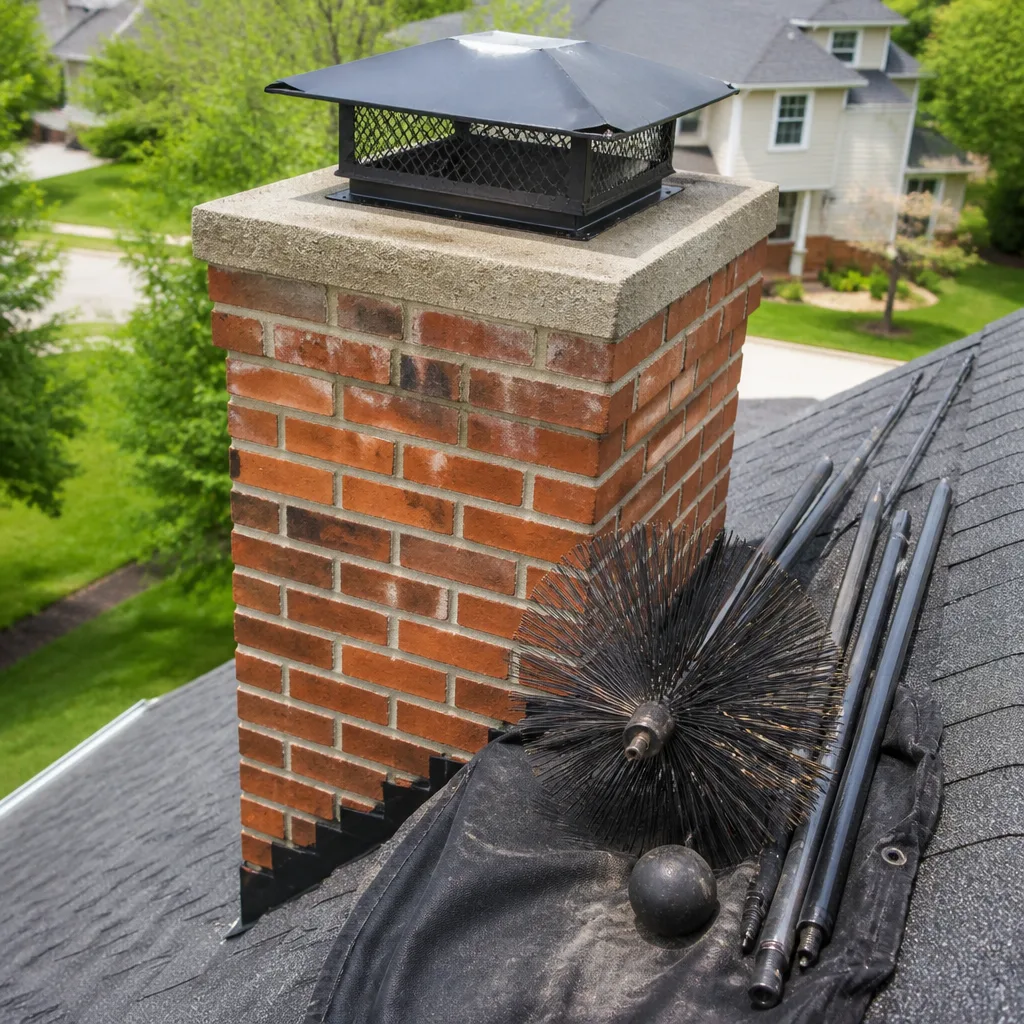 Sweep & inspection
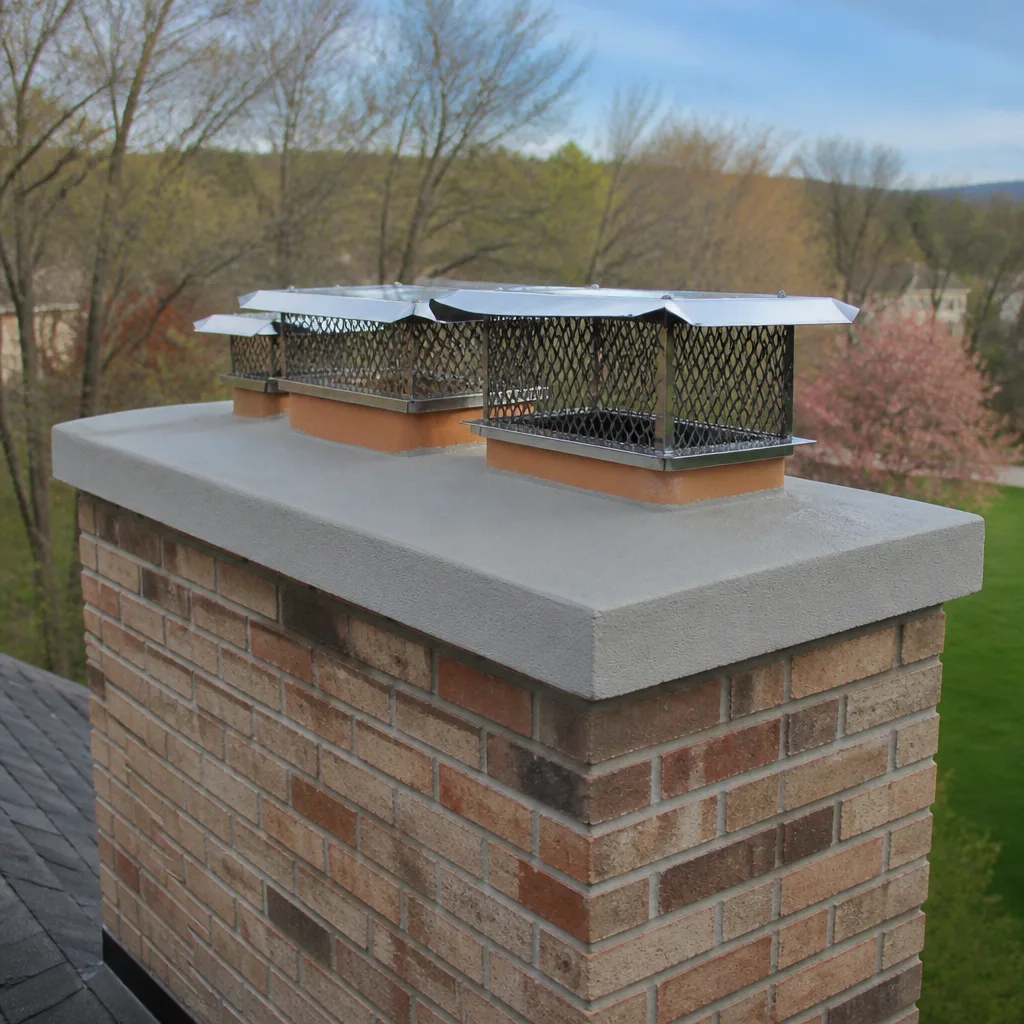 Caps & crowns
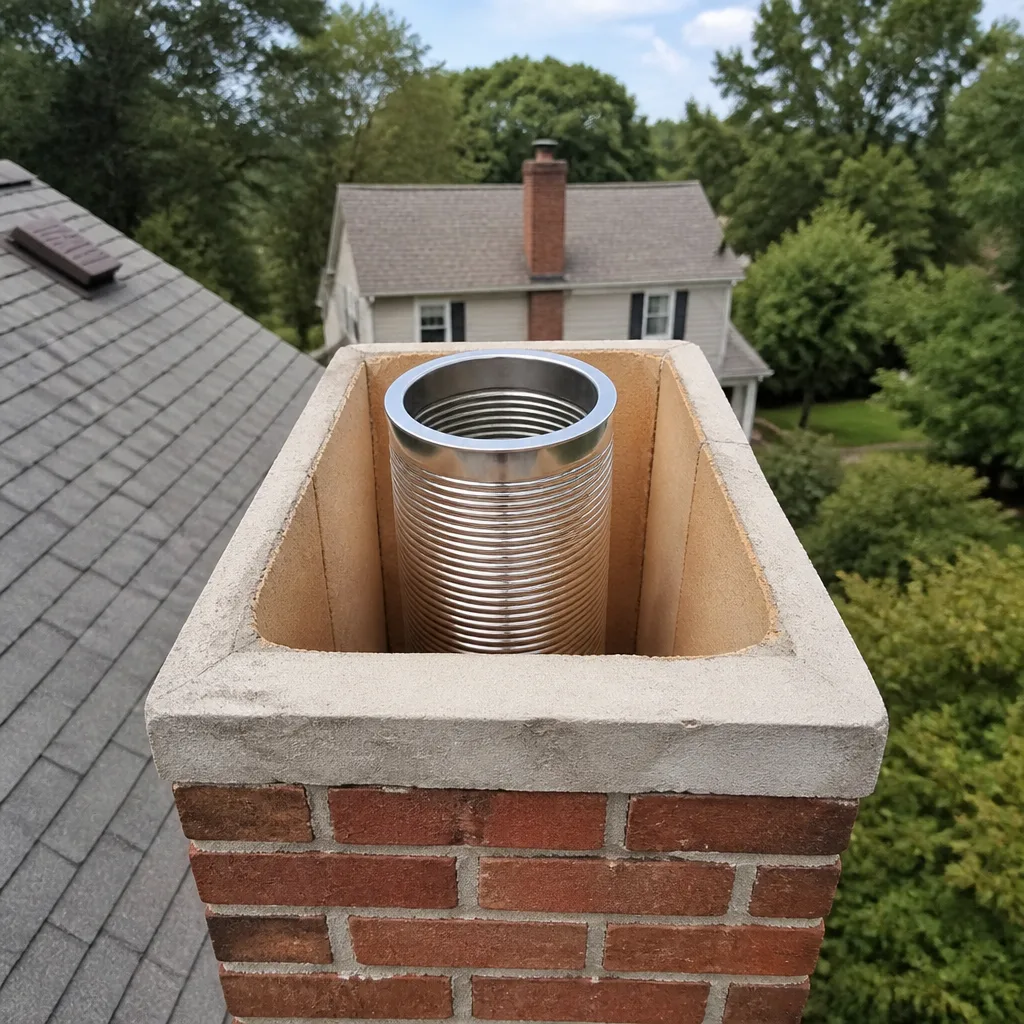 Flue relining
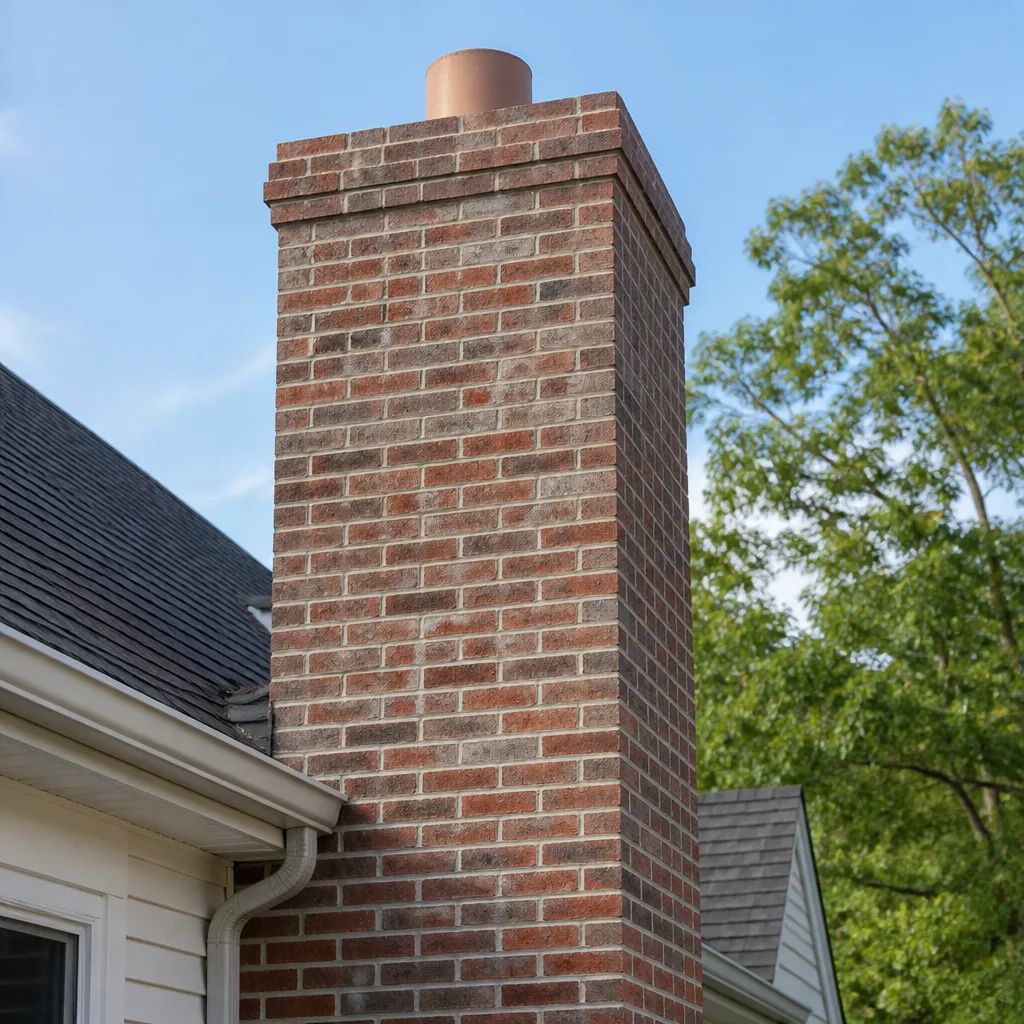 Masonry repair
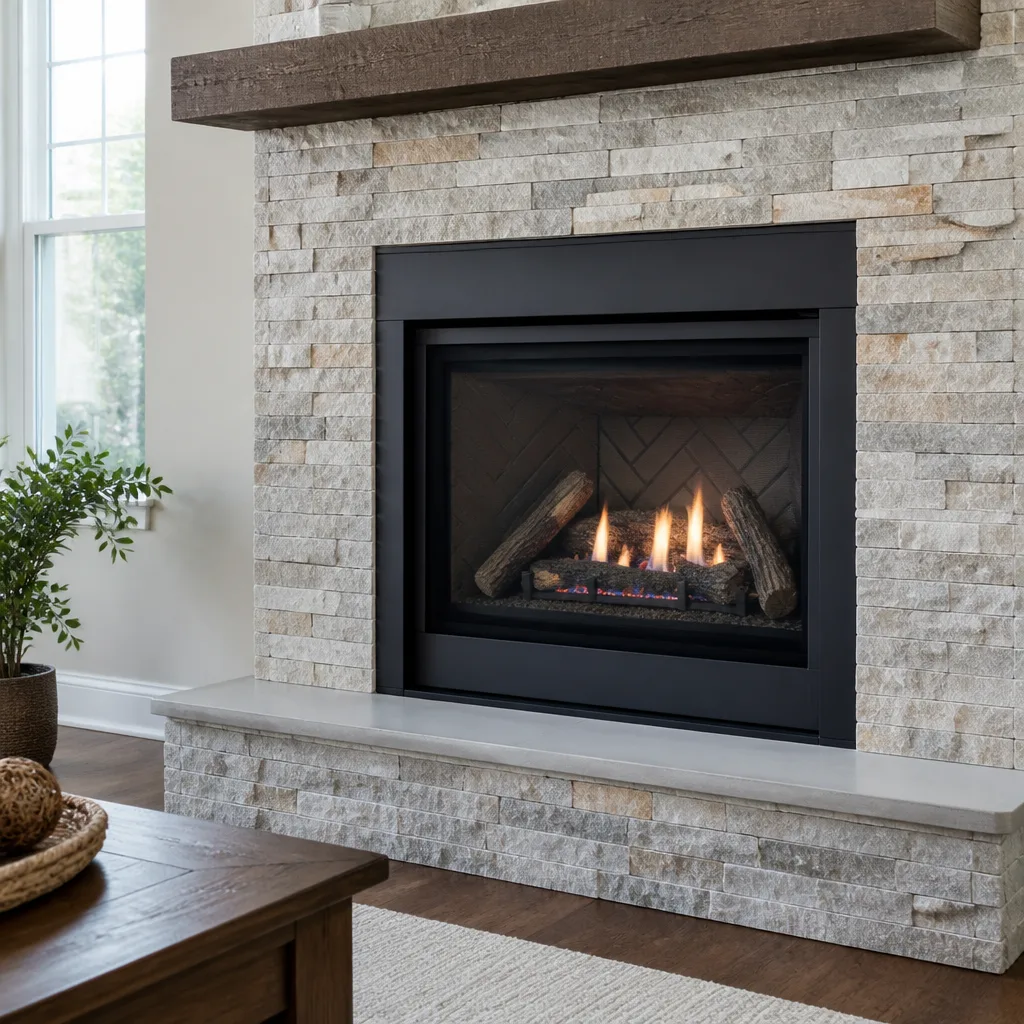 Gas fireplace service
Level 1 sweep and inspection to the NFPA 211 annual standard - flue, crown, cap, and flashing checked and photographed
Chimney sweep logs do not sweep chimneys. They loosen some creosote - which then falls where a brush and vacuum still have to collect it.
DIY vs Professional Chimney Cleaning: The Taylorsville Homeowner’s Decision Guide
The brush kit you can order online will pull light, fluffy creosote off an accessible flue. It will do nothing about the glazed, tar-like deposit sitting behind it. That’s the part most people miss: a DIY cleaning can succeed at removing what’s easy to reach and leave you with a false sense of security about what’s still in there. The decision here isn’t really about whether you’re handy enough to push a brush up a chimney. It’s about whether you can accurately judge what you’re looking at before you start. This guide walks through what DIY brushing actually removes, where it genuinely works, and the point at which a Taylorsville homeowner needs someone with the tools and the eye to catch what a brush won’t.
Quick Answer
DIY chimney cleaning is reasonable only for light, powdery first-degree creosote in a straight, accessible flue, and only when you already know the liner is sound. For glazed second- or third-degree creosote, offset flues, or any doubt about the liner’s condition, a professional sweep is the right call because the equipment and the inspection needed to make that judgment are exactly what a consumer kit can’t provide. A professional sweep also leaves you with a documented inspection record, which matters if you ever file a chimney fire claim.
Styles & brands we work with
- Sweep & inspection
- Caps & crowns
- Flue relining
- Masonry repair
- Gas fireplace service
Table of Contents
- What DIY Actually Removes: The Three Degrees of Creosote
- When DIY Is Genuinely Reasonable
- When DIY Creates a Real Safety Gap
- Equipment Reality: Pro Setups vs Consumer Kits
- The Insurance Question in Utah
- How to Verify a DIY Clean Before the First Fire
- Common Mistakes to Avoid
- When to Call a Professional
What DIY Actually Removes: The Three Degrees of Creosote
Creosote is a broad term for the residue left behind when wood smoke cools inside a flue, but it forms in three distinct stages, and each stage behaves very differently. That distinction is the whole basis for the DIY-versus-pro decision, so it’s worth understanding before you buy anything.
The three degrees break down along clear lines:
- First-degree creosote is the light, flaky, soot-like dust you can see and brush off with a standard poly brush. This is what consumer kits are built for, and it largely comes off with modest effort. It’s also the deposit that holds the least risk on its own.
- Second-degree creosote is a denser, crusted layer that sticks to the flue wall. A brush can knock some of it loose, but it tends to smear rather than clear, and glazed sections resist brushing entirely. This is where DIY quietly fails and gives you a false negative on your own inspection.
- Third-degree creosote is the thick, glazed, tar-like coating that hardens to the point of looking like black glass. This requires chemical treatment or rotary mechanical tools to remove safely, and it’s the deposit most associated with chimney fire risk.
Here’s the honest part: you can’t reliably tell second-degree from third-degree by looking up a flue with a flashlight from the firebox. The glaze and char patterns that differentiate them need a decent light, a mirror, and experience reading what you’re seeing. In our experience sweeping chimneys around Taylorsville, the most common scenario is a homeowner who brushes out the first-degree dust, sees the flue looking cleaner, and assumes the job is done while a glazed band sits several feet up the liner out of sight. That false confidence is the core argument for a professional assessment. A professional sweep is also where you get camera inspection and a photo report, so you can see the liner condition for yourself rather than taking someone’s word for it.
What a professional-grade sweep does that a brush can’t: rotary whips and chains break up glaze without damaging the liner, and chemical-grade creosote removers soften hard deposits before mechanical removal. These are the tools that separate a repair-capable shop from a cleaning-only one. If you want a full assessment, an inspection and repair evaluation covers exactly this ground.
When DIY Is Genuinely Reasonable
There are real situations where grabbing a brush kit and a drop cloth is a sensible move. The key is that these situations share one thing: they don’t require you to judge liner condition, because you already know it’s fine, or because the clean is purely cosmetic mid-season.
DIY is reasonable in these cases:
- You have a lightly used fireplace, are burning at the tail end of a season, and you’re clearing a modest layer of soot and first-degree flake from an accessible straight flue. The deposit is powdery and predictable.
- Your flue was professionally swept and inspected recently, so you know the liner is sound and you’re only doing a mid-season touch-up to keep airflow reasonable.
- You have a straight, vertical flue with direct access from the firebox and the roof, no offsets, and no component you have to disassemble to reach the top.
- You’re cleaning a flue on a chimney you know well because you’ve had it swept professionally before and understand what a clean flue looks and feels like.
Even in those cases, the brush kit has a job ceiling. It clears what’s reachable and powdery. It does not confirm the liner is intact, and it does not detect cracks, gaps at joints, or a warped or damaged liner section. For those reasons, if you’re doing a light clean yourself in Taylorsville, treat it as maintenance between professional visits, not a replacement for one. The seasonal context matters too: this is high-altitude, cold-winter country where fireplaces run hard from late fall into spring, and the residue built up over one season can surprise a homeowner expecting the light soot they saw the year before.
If you want to stay ahead of buildup with a proper setup, a chimney sweep before the burning season is the reliable path. Our technicians have up to 15 years of experience reading exactly these deposits.
When DIY Creates a Real Safety Gap
There’s no useful equivalence here. Some situations are simply beyond what a DIY clean can handle, and attempting one doesn’t just leave the chimney dirty; it creates a documented gap in your safety record and, worse, a false sense that the flue has been cleared.
DIY is the wrong choice in these scenarios:
- You see glazed, tar-like creosote anywhere in the flue. That’s second- or third-degree deposit and it needs chemical or rotary treatment, not a brush.
- You can’t see the full run of the liner from below. Offsets, bends, and long runs hide deposits and damage a brush can’t reach and a flashlight won’t reveal.
- You’ve never had the chimney inspected professionally. You don’t have a baseline, so you have no way to know what’s changed or what’s normal for your flue.
- You notice any smell of smoke inside the house when the fireplace isn’t in use, or soot staining near the firebox. These point to a draft or flue problem that needs a proper look, not a clean.
- Your flue is offset or the chimney has a complex shape. Consumer brushes and rods behave unpredictably in these configurations and may even snag.
- The appliance is gas. A gas flue has different venting and inspection requirements than wood, and DIY brushing isn’t the answer.
The result of a DIY clean gone wrong is not just an unclean chimney. It’s a chimney that looks clean enough to use. Glazed creosote left in place is the deposit associated with chimney fires, and a flue that hasn’t been professionally inspected may have a cracked liner or failed joint that allows combustion gases, including carbon monoxide, into the home. Those are not hazards to gamble on with a brush kit. On the safety point: never attempt to remove a flue lining or reach deep into the chimney by hand. Anything beyond light brushing should be left to a trained technician.
Equipment Reality: Pro Setups vs Consumer Kits
The price gap between a consumer brush kit and a professional sweep setup is not a markup on the same job. The two toolsets do different work, and understanding the difference explains why outcomes vary so much.
A consumer kit typically includes a poly brush head, a set of flexible rods, and maybe a small hand broom. That’s appropriate for first-degree flake. A professional sweep uses a rotary system with interchangeable heads (whip, chain, and brush), industrial vacuum extraction with HEPA filtration to keep the house clean, camera equipment to inspect the liner, and chemical creosote removers for hard deposits. When the flue needs a new liner, the shop works with professional-supply brands like DuraFlex for flexible relining. When a liner is compromised but salvageable, a HeatShield resurfacing can restore it without the cost of full replacement. These are materials you won’t find in a retail store, and installing them correctly is a repair-capable skill, not a cleaning one.
That capability gap matters most when the job turns out to be bigger than expected. A DIY clean can’t restore a heat-shielded liner, install a DuraFlex flexible liner, or fabricate a cap on site. When the sweeping turns up a problem, a professional who carries the full system can move from clean to repair without handing you off to another contractor. That’s why we handle the full chimney system, from the firebox floor to the cap on top, and why Taylorsville homeowners who start with a sweep sometimes get a small repair resolved in the same visit rather than a referral to find someone else.
The equipment reality also affects how clean the house stays. A rotary brush without sealed vacuum extraction sends fine soot into the room. Professional setups enclose the work area and pull dust out as it’s generated, which is the difference between a fifteen-minute tidy-up and a day of dusting. That’s not a luxury; it’s part of what you’re paying for when you hire a sweep.
The Insurance Question in Utah
Here’s the part most DIY guides skip: how a do-it-yourself cleaning affects a chimney fire insurance claim. If a chimney fire damages your Utah home, your insurer may ask for evidence of maintenance and inspection. A DIY clean leaves no professional record. There’s no inspection report, no sweep date, no photo documentation, and no professional who can attest to the condition of the flue at the time of cleaning.
We can’t promise what any particular carrier will decide, and we’d never tell you that a lack of records automatically voids a policy. But we can tell you, having worked in this trade, that documentation is the difference between a claim that moves smoothly and one that gets questioned. A professional sweep gives you a dated inspection record with photos of the liner condition, which is exactly the kind of evidence an adjuster will want to see. A homeowner’s own account of “I cleaned it myself” carries far less weight.
This is not a scare tactic. It’s the ordinary reality of homeownership paperwork. If you maintain a written record of chimney service, you give yourself a factual trail in the event something goes wrong. If you don’t, you’re relying on the insurer’s goodwill and your memory. For a homeowner in Taylorsville who uses their fireplace heavily through the winter, an annual professional inspection is the simplest way to build that record. It’s a small cost for a paper trail that could matter a great deal later. If you’d like to start a documented inspection record, a professional chimney sweep in your home is the way to establish that baseline.
How to Verify a DIY Clean Before the First Fire
If you’ve done the cleaning yourself and you want to confirm you didn’t miss a liner condition issue, there are a few concrete checks to run before the season starts. This is not a substitute for a professional inspection, but it’s a responsible set of steps that catch the obvious gaps.
Work through this before you light the first fire:
- Look up the flue with a strong light. Shine the light straight up the liner from the firebox door. Look for black, glossy patches (glazed creosote) and for visible cracks, gaps, or warped sections in the liner itself.
- Feel the flue wall near the top of what you can reach. Powdery residue is fine. Sticky, tar-like, or crusted material means there’s still hard deposit up there that needs professional treatment.
- Check the joints and seams where visible. Gaps or offsets in a liner section are not something a brush can fix and point to a repair need.
- Look and smell for smoke backdraft. With the fire out and the damper open, smell for smoke in the room. A persistent smoky odor indoors is a draft or flue problem worth a professional look.
- Inspect the cap and crown on the roof if you can do so safely from a ladder on level ground. Cracked crowns or a missing or damaged cap are common sources of water intrusion and future structural damage. If the roof is steep or the height is a concern, leave this to a professional.
- Confirm you cleared the smoke shelf and damper area. Debris often piles on the smoke shelf above the damper and is easy to miss from below.
If any of these checks turn up something you’re not sure about, that’s your answer: it’s time for a professional look. The whole point of verification is to find the issues a brush didn’t. If you’d rather close the loop with a proper assessment before the season, a fireplace checkup catches what a roof-down inspection would.
For the roof-level components in particular, safety matters more than completeness. A steep or high roof is a genuine fall hazard, and the cap and crown are also where the most common water-intrusion damage starts. That’s exactly what a dedicated cap and crown service is for, and it’s well worth having a professional check it rather than climbing up yourself.
Common Mistakes to Avoid
We see the same few missteps repeat across Taylorsville homes. Avoiding them is often the difference between a maintenance clean and a real safety problem.
- Assuming a clean-looking flue is a clean flue. The glazed deposit that matters most sits above where a flashlight reaches and looks no different from clean metal from the firebox floor.
- Brushing over glazed creosote. A brush smears second- and third-degree creosote rather than removing it, leaving a glossy coating on the liner wall that still contributes to fire risk.
- Skipping the inspection because you cleaned it yourself. The value of a professional visit is the inspection and photo report, not just the brushwork. If you clean it yourself, still book the inspection.
- Buying a kit and assuming it fits your flue. Offset flues and unusual configurations make consumer rods behave unpredictably. In our experience, most Taylorsville homes with a straight flue are fine, but the ones with offsets need proper equipment.
- Forgetting the cap and crown. A cracked crown or missing cap is one of the most common sources of water damage to a chimney, and it’s invisible from inside the house.
- Cleaning a gas flue like a wood flue. Gas appliances have different venting requirements and inspection needs, and a wood-flue routine doesn’t apply.
- Skipping the pre-season check. A chimney works hardest in winter. Verifying it in the fall catches issues before the season, not after the first cold night.
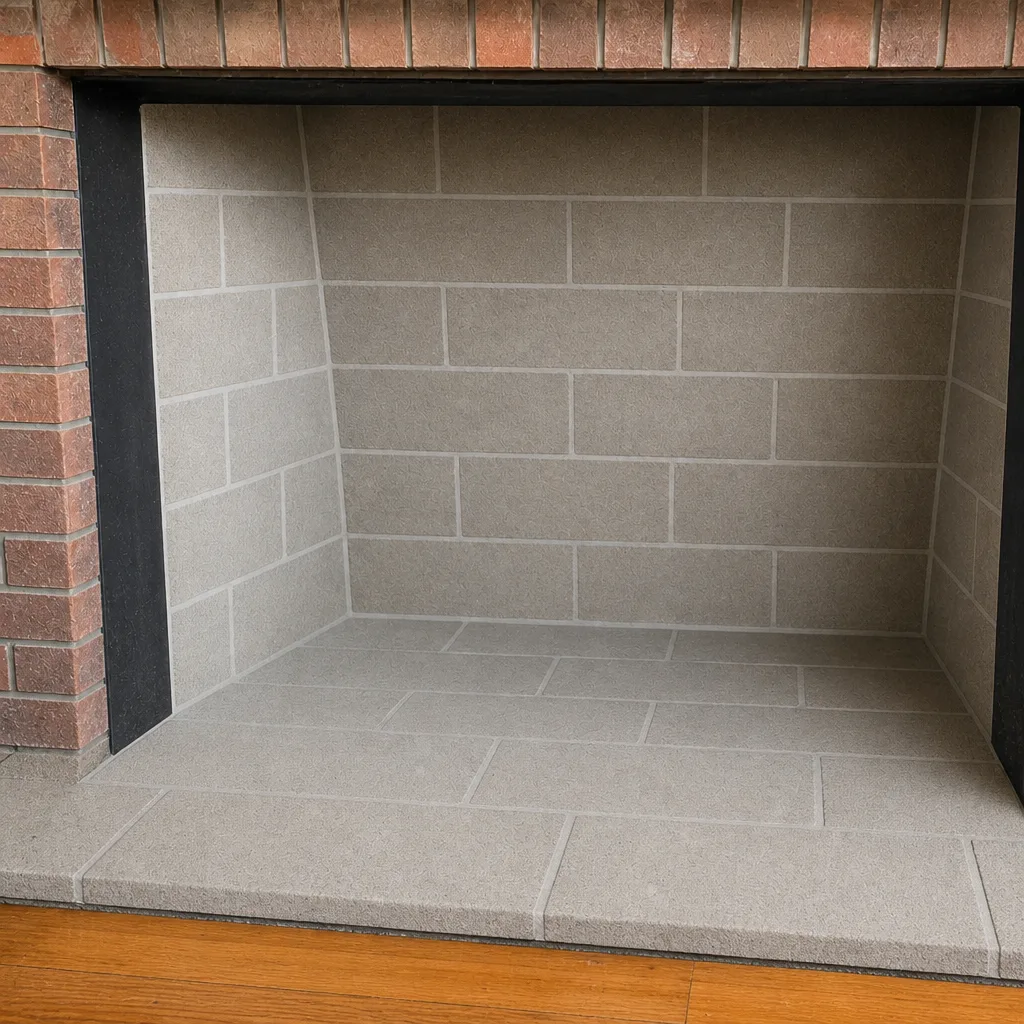
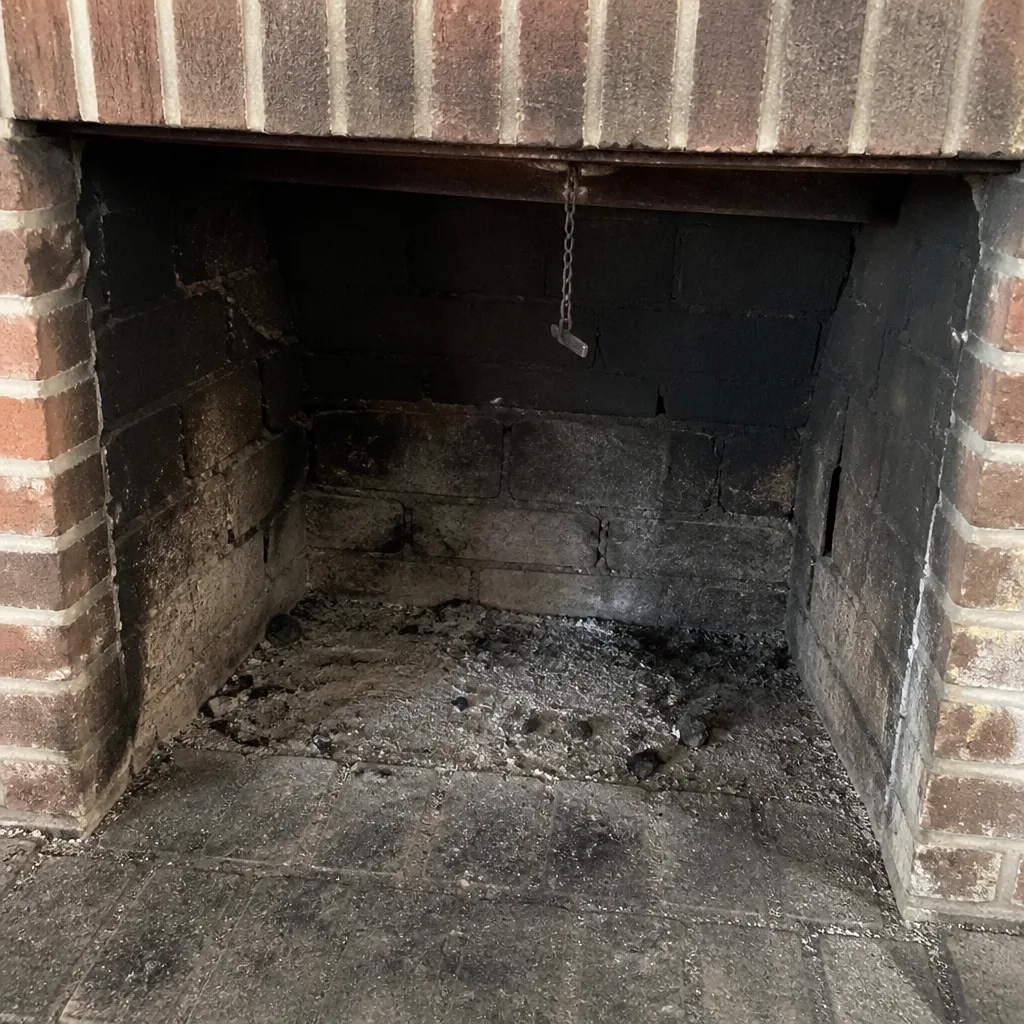
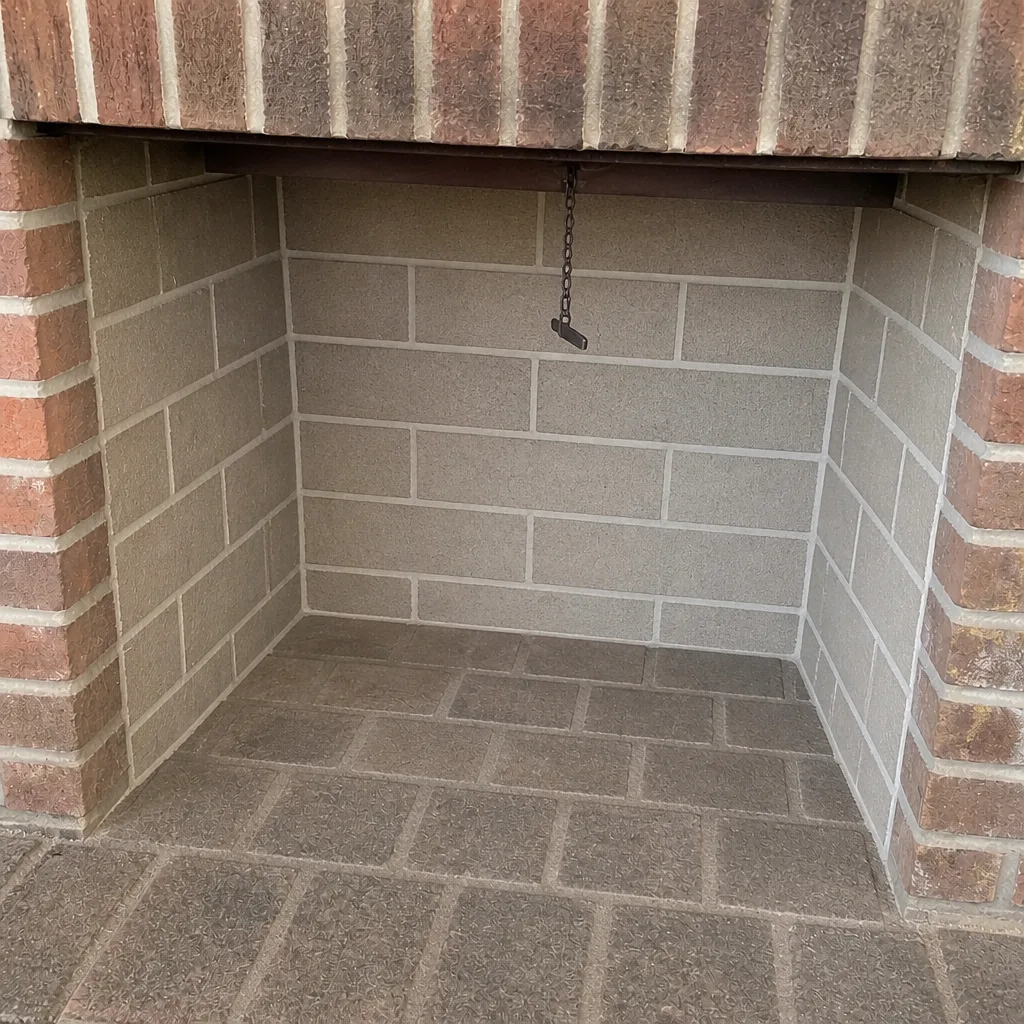
See the difference
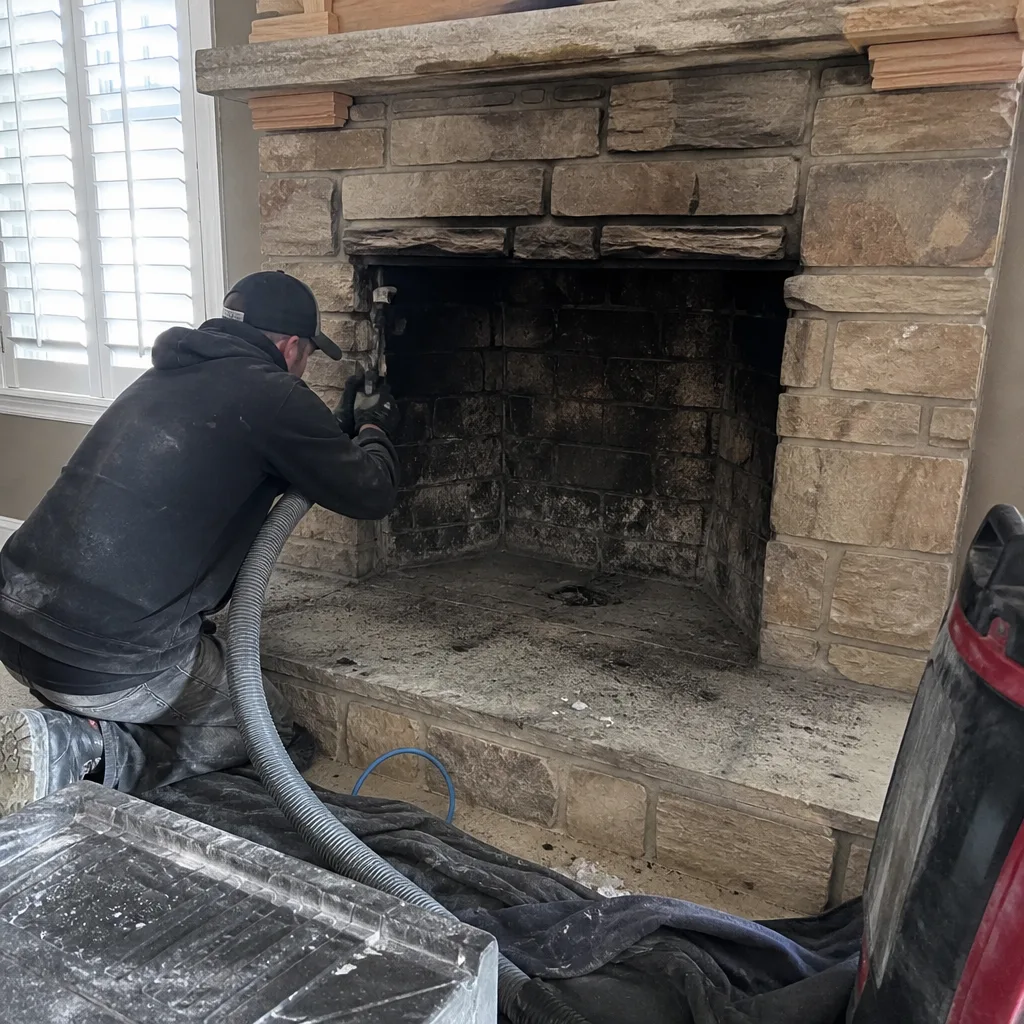 Before
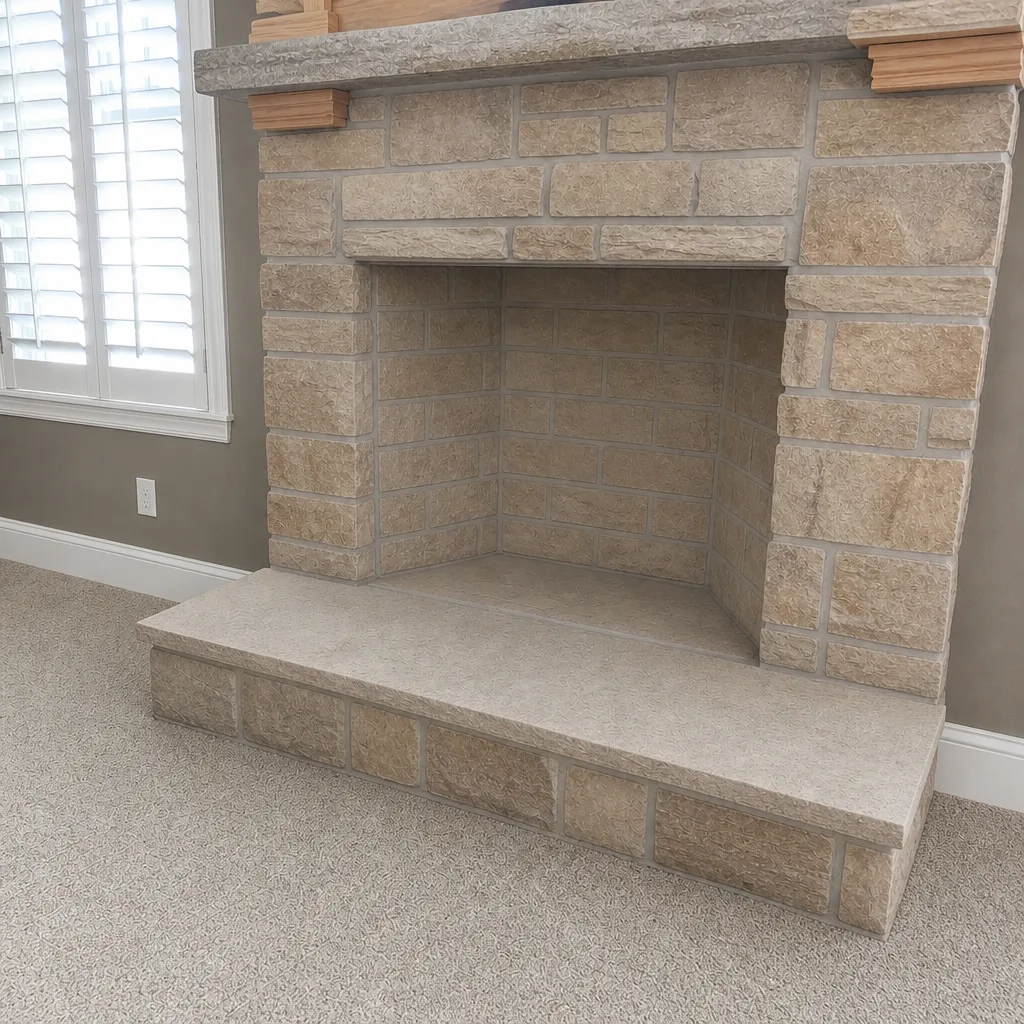 After
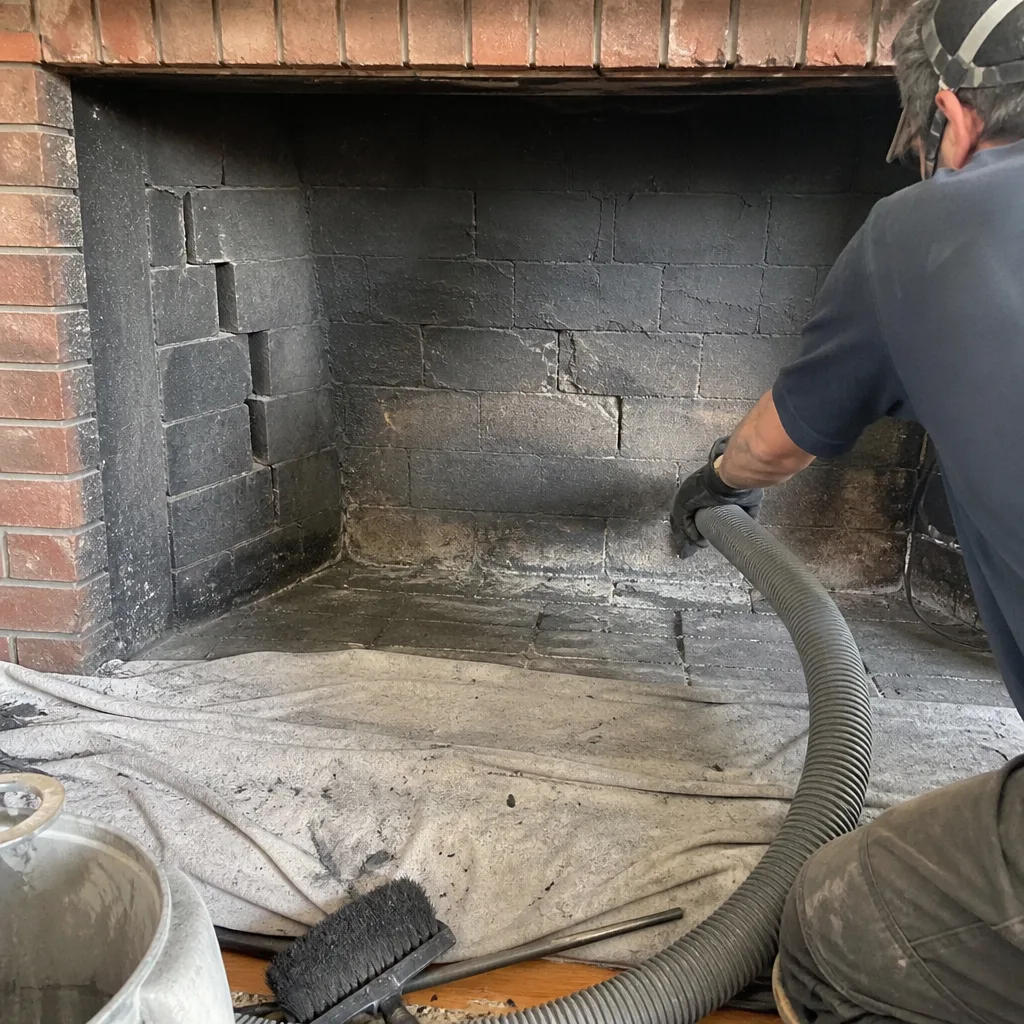 Before
 After
 Before
 After
When to Call a Professional
Call a professional if you see glazed creosote, if the liner needs a look you can’t get from the firebox, if the crown is cracked or the cap is missing or damaged, if you smell smoke indoors when the fireplace is off, or if you simply want a documented inspection record before the season. Those are the situations where a consumer kit can’t make the judgment and the equipment can’t do the work. Our technicians have up to 15 years of experience. We work with professional-grade materials like Copperfield and Gelco, and we install DuraFlex liners and apply HeatShield resurfacing when a liner needs restoration rather than replacement. Chimney Sweep Taylorsville offers free estimates in Taylorsville. Call (833) 482-6761. We answer 24/7. Fast dispatch from 7am to 7pm, Sunday through Friday.
Frequently Asked Questions
We can’t quote a fixed number without seeing the job, and any honest chimney company shouldn’t either. The estimate is free, and the price is set per job by the written estimate after the sweep assesses the flue. Call (833) 482-6761 for a free estimate. We answer 24/7. Fast dispatch from 7am to 7pm, Sunday through Friday.
You can if the flue is straight, accessible, and holds only light first-degree creosote, and if the liner is already known to be sound. It’s not a safe assumption if you’ve never had a professional inspection, because the dangerous deposits hide where a brush won’t reach. A professional inspection closes that gap.
First-degree is powdery and brushes off easily. Second-degree is denser and crusted and resists brushing. Third-degree is glazed, tar-like, and requires chemical or rotary removal. A DIY brush effectively handles only the first degree.
For a wood-burning fireplace used regularly, an annual sweep and inspection before the season is standard practice. Gas appliances and lightly used fireplaces may need less frequent work, but an annual inspection is still the sensible default. In Taylorsville’s cold winters, where fireplaces run hard, don’t stretch the interval.
It can. A DIY clean leaves no professional inspection record, so you have no documentation to show the flue was maintained and inspected. We can’t speak for any specific carrier, but a dated professional inspection report is the evidence an adjuster will look for. If you plan to file a claim, call (833) 482-6761 for a documented inspection. We answer 24/7. Fast dispatch from 7am to 7pm, Sunday through Friday.
Do the verification steps in this guide before your first fire: check the flue with a strong light, feel for crusted deposit, look for liner cracks, smell for smoke backdraft, and inspect the cap and crown if you can do so safely. If anything is unclear, book a professional inspection so a trained eye can confirm the liner is intact.
The Bottom Line
DIY chimney cleaning works for light, powdery first-degree creosote in a straight flue that you already know is in good condition. It does not work for glazed second- or third-degree deposit, for flues you can’t see, or for any situation where you don’t have a baseline inspection. The decision really comes down to whether you can accurately judge what you’re looking at before you start, and that’s the one thing consumer kits can’t do. If there’s doubt, a professional sweep gives you the equipment, the eye, and the documentation you’d otherwise lack. Everything we recommend is based on camera inspection you can see for yourself, and if work can safely wait, we’ll tell you that. If you want a straightforward assessment before the season, Chimney Sweep Taylorsville handles the full system from the firebox floor to the cap on top. Call (833) 482-6761 for a free estimate. We answer 24/7. Fast dispatch from 7am to 7pm, Sunday through Friday.
Written by the team at Chimney Sweep Taylorsville.