
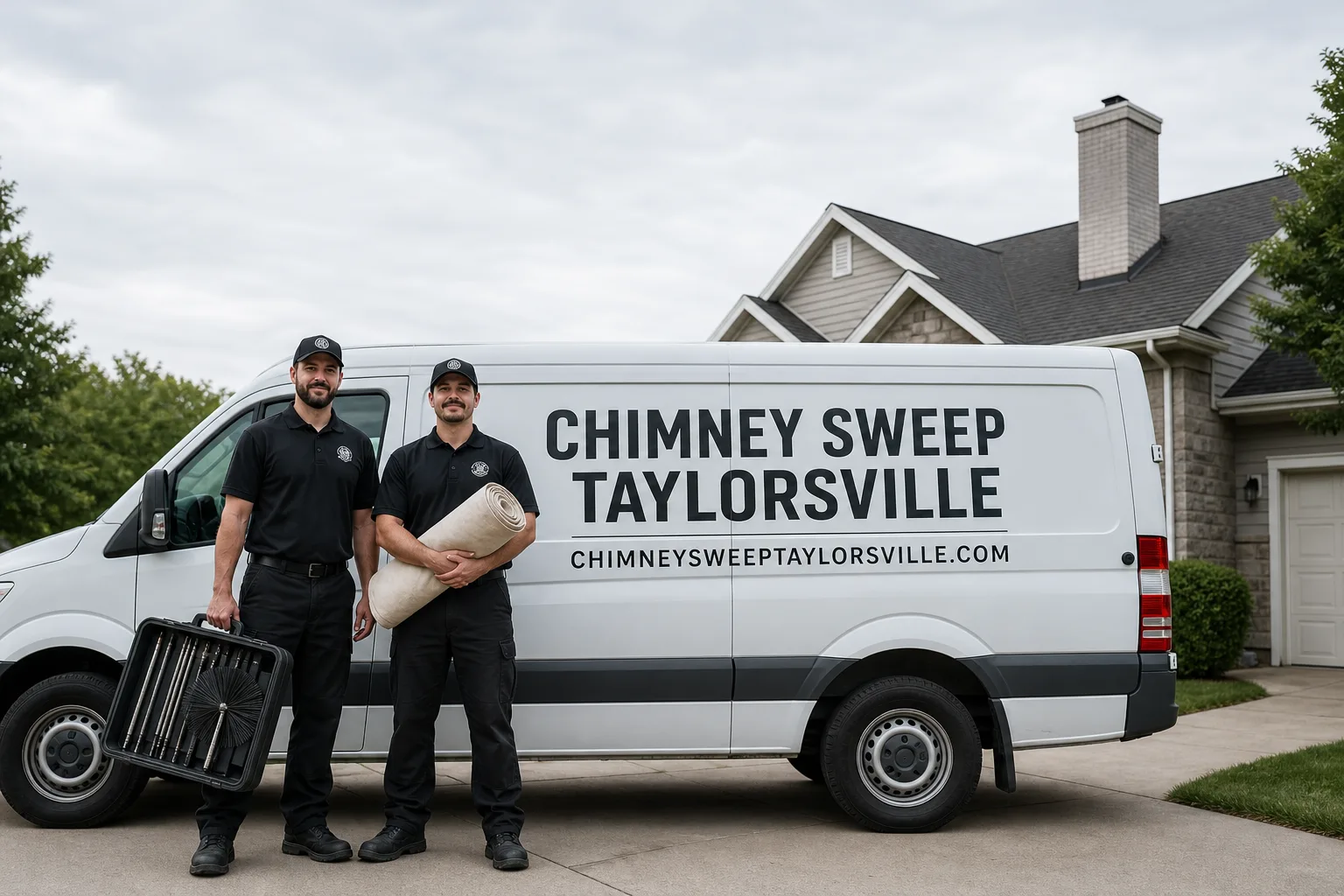
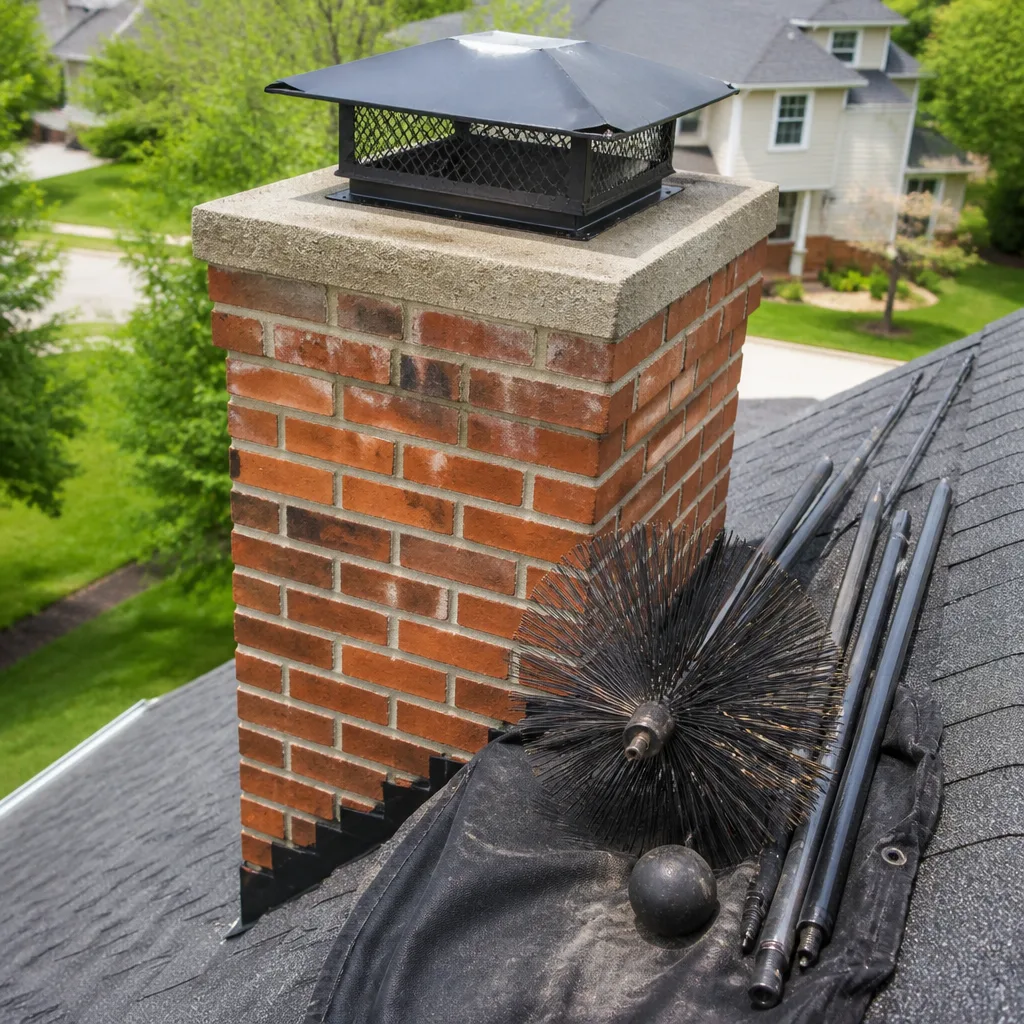
 Sweep & inspection
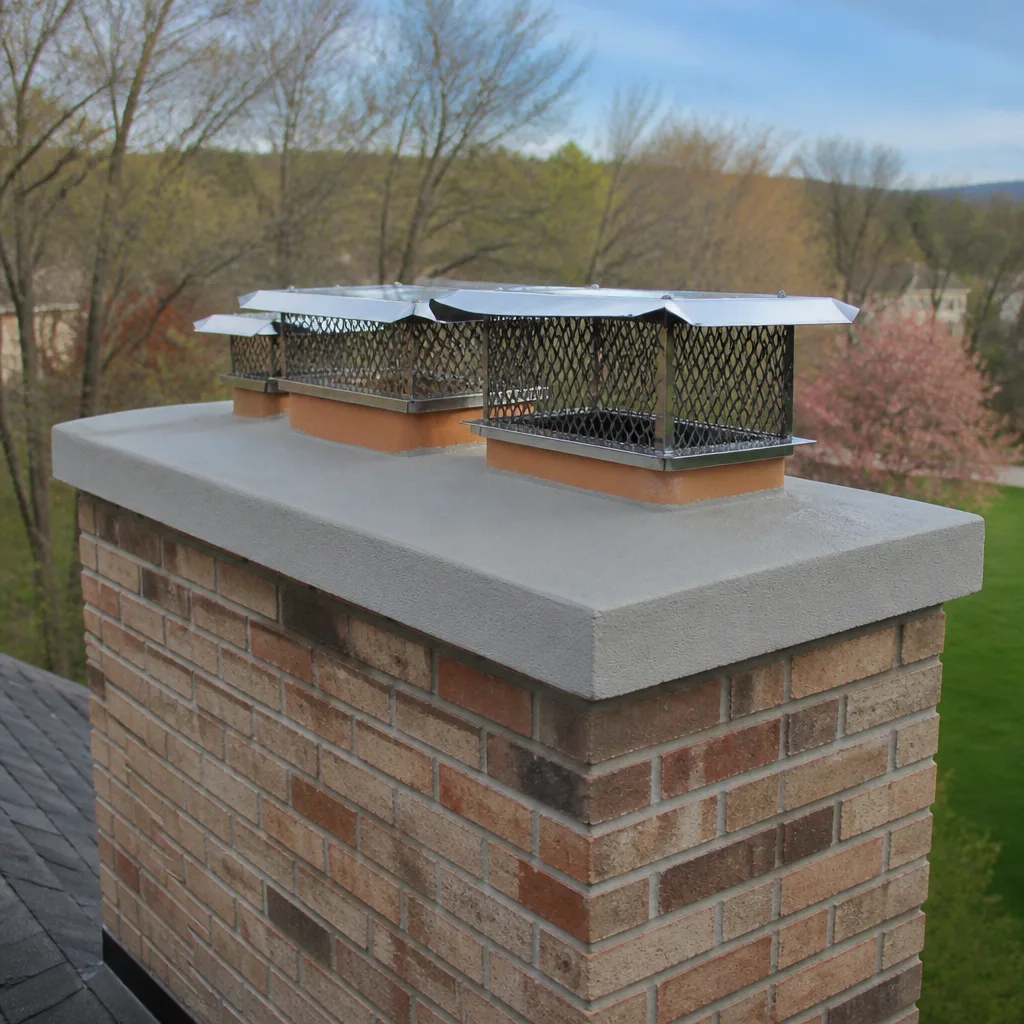 Caps & crowns
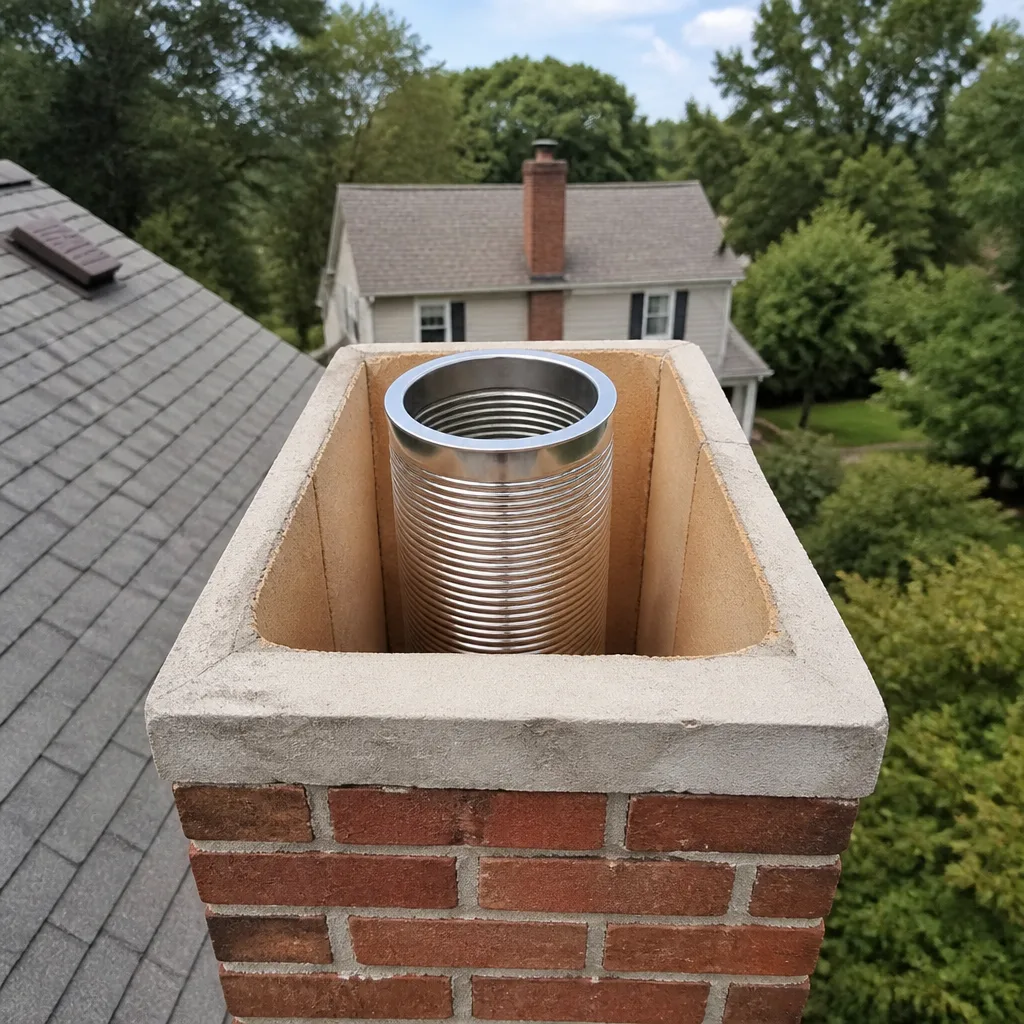 Flue relining
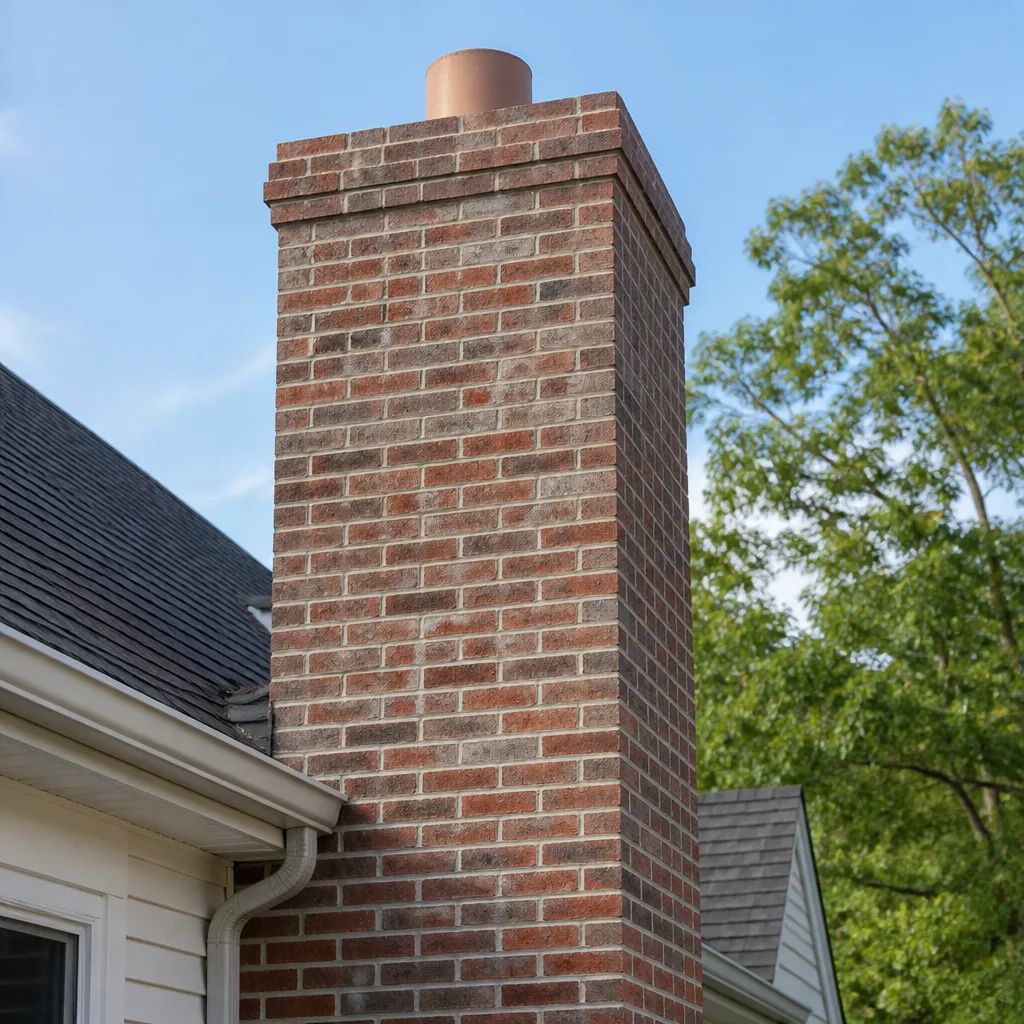 Masonry repair
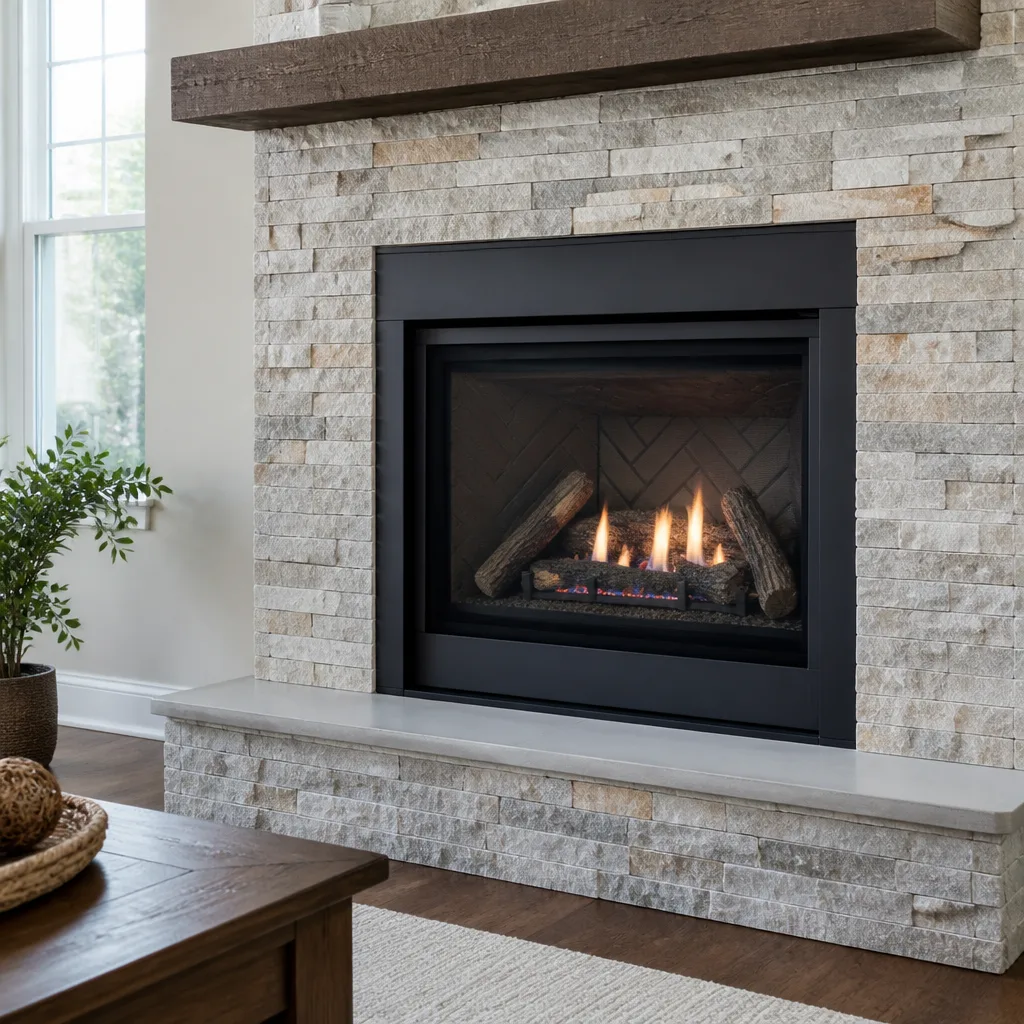 Gas fireplace service
Level 1 sweep and inspection to the NFPA 211 annual standard - flue, crown, cap, and flashing checked and photographed
Chimney sweep logs do not sweep chimneys. They loosen some creosote - which then falls where a brush and vacuum still have to collect it.
Fast, Reliable Chimney Inspection Across Sandy
Sandy chimneys work hard, and many of them are older than the appliances now venting into them. If you burn wood in a fireplace or run a gas appliance tied to a flue, an inspection tells you what’s actually inside that stack before winter arrives. We connect Sandy homeowners with independent local chimney professionals who inspect the full system, from the firebox floor to the cap on top, and who show you the evidence instead of telling you what to think. Call (833) 482-6761 to book. We answer 24/7.
Why Sandy Homeowners Call Chimney Sweep Taylorsville for Chimney Inspection
Chimney inspection in Sandy asks a specific question: does this flue match the house and the appliance it’s serving? A lot of the housing here went up between the 1970s and 1990s, and much of it was built with masonry fireplaces and clay-tile liners, plus early prefab metal chimneys now at or past their service life. The local professionals we connect you with have spent years in exactly that housing stock, and our technicians have up to 15 years of experience with these systems.
That matters because Sandy inspections pull up the same findings repeatedly. Offset tile joints. Gaps at the liner seams. Spalling mortar in the smoke chamber. It’s a pattern, and experience reading it is what separates a real inspection from a sales call. The local pro is state-licensed and insured as their state requires, and they work with professional-supply brands like HeatShield and DuraFlex, not retail patches. You’ll get a written report with photos, and a plain answer about what can safely wait and what shouldn’t.
Styles & brands we work with
- Sweep & inspection
- Caps & crowns
- Flue relining
- Masonry repair
- Gas fireplace service
Our Chimney Inspection Services in Sandy
An inspection is a standalone service. You can book one here in Sandy without a cleaning attached, and you’ll get an assessment of the full system. Here’s how the levels break down.
Level 1 Inspection
A Level 1 covers the readily accessible parts of the system: the firebox, damper, smoke chamber, visible flue, and the cap and crown at the top. It’s the right call for a Sandy home with a chimney in regular use and no known problems, especially before burning season. We recommend one annually if you’re burning wood through the winter.
Level 2 Inspection
A Level 2 goes further, and it’s the standard we’d push for on Sandy’s older masonry stacks. It includes a full camera run of the flue and inspection of accessible attic and crawlspace areas so we can see how the chimney meets the house. This is also the inspection that applies when a home changes hands or an appliance changes. If you’ve added a new insert or a gas appliance to an existing chimney, you want a Level 2.
Level 3 Inspection
A Level 3 is targeted and invasive. It’s called for when the camera or the visual inspection turns up a hidden defect that can’t be assessed without opening something up, like a section of wall or a chase cover. It’s not routine, and it shouldn’t be sold as routine. If a Sandy homeowner is told they need one, the reason should be on the table first.
Camera Inspection and Flue Inspection
The camera is where the real answers come from in Sandy, and it’s included in our Level 2 work. A technician runs a camera down the flue and you watch the footage with them. Offset tiles, gaps at the joints, glazed creosote that no brush will touch: you see it, not just hear about it. On a typical Sandy job, the camera run is what turns a vague concern into a clear plan, and it’s what makes the difference between a HeatShield resurfacing and a full stainless liner obvious to the homeowner.
Trusted Brands We Service in Sandy
We work with professional-grade material brands that aren’t sold in retail stores, because chimney repairs fail when they’re done with hardware-store substitutes. Our work includes HeatShield for liner resurfacing, DuraFlex for flexible relining, and Olympia Chimney for the components that go with those systems. We don’t stock parts and we don’t claim to; the local pro sources what each job actually needs, which keeps turnaround clean and means the material matches the finding. On Sandy’s older clay-tile flues, HeatShield resurfacing can restore a compromised liner without the cost of full replacement.
Common Chimney Inspection Problems We See in Sandy Homes
Most of what shows up in Sandy inspections traces back to how these chimneys were built and what’s been vented into them since. The four findings below come up again and again.
- Clay-tile flues with offset joints and gaps. Many 1970s-90s tract and custom homes in Sandy were built with clay-tile liners, and the joints shift with age. A brush passes right over a gap; the camera doesn’t.
- Unlined or undersized stacks with modern appliances vented in. When a gas or high-efficiency appliance gets tied into a flue that was never sized for it, draft suffers and creosote builds faster. That’s a mismatch problem, not a cleaning problem.
- Spalling mortar and failed flashing. Sandy’s cold winters and wet spring melt work on mortar joints year after year. Spalling and failing flashing both open the door to water intrusion, which is behind a lot of the structural damage we find.
- Nests and leaf packs in caps on east-bench homes. Homes higher on the east bench in 84092 and 84093 catch Little Cottonwood downslope gusts, which push downdrafts and debris into uncapped or damaged flues. Valley-floor homes almost never see the same thing.
The Little Cottonwood Canyon Wind Factor
There’s a local condition that shapes chimney inspection in Sandy more than most homeowners realize. Sandy sits at the mouth of Little Cottonwood Canyon, and east-bench homes there take strong downslope gusts coming off the canyon. Those gusts drive downdrafts and force birds and debris into any cap that’s uncapped, loose, or damaged. A technician inspecting a foothill home here routinely finds nests and leaf packs packed into a cap. On the valley floor, the same style of chimney is usually clean. If your home sits higher up the bench, a cap inspection isn’t a nice-to-have; it’s the first thing worth checking.
Why Sandy’s Inversion Season Makes Inspection Matter
Valley inversions trap cold, stagnant air against the Wasatch Front for weeks each winter, and that changes how Sandy burns. Homes here run fireplaces and wood stoves hard through the inversion, then the chimneys sit idle through hot, dry summers. That’s the classic setup for heavy creosote buildup followed by a fall cleaning backlog. Getting the inspection done before the burn season starts is the practical move, not after the first cold snap. Creosote accumulation combined with Sandy’s canyon winds means draft problems show up here in ways the cleaner-air suburbs further north or south don’t see as often.
See the difference
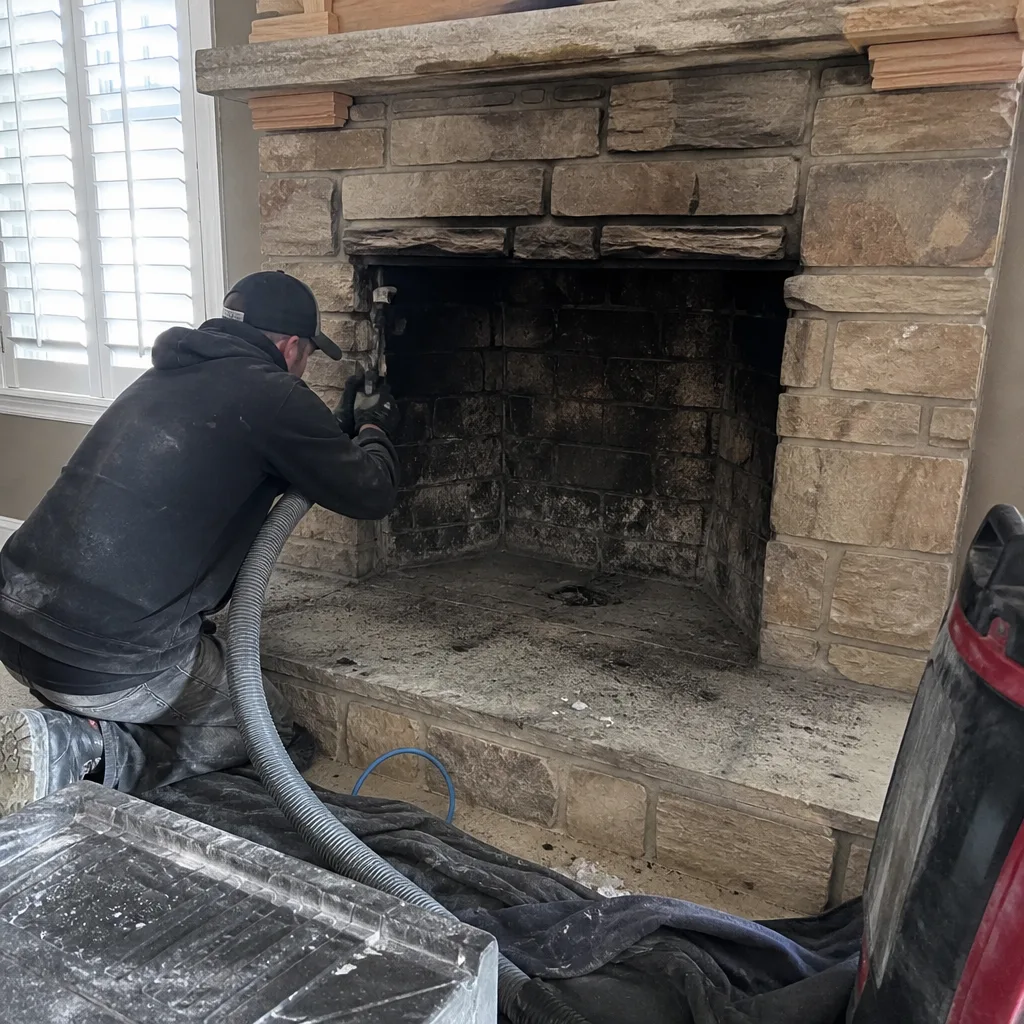 Before
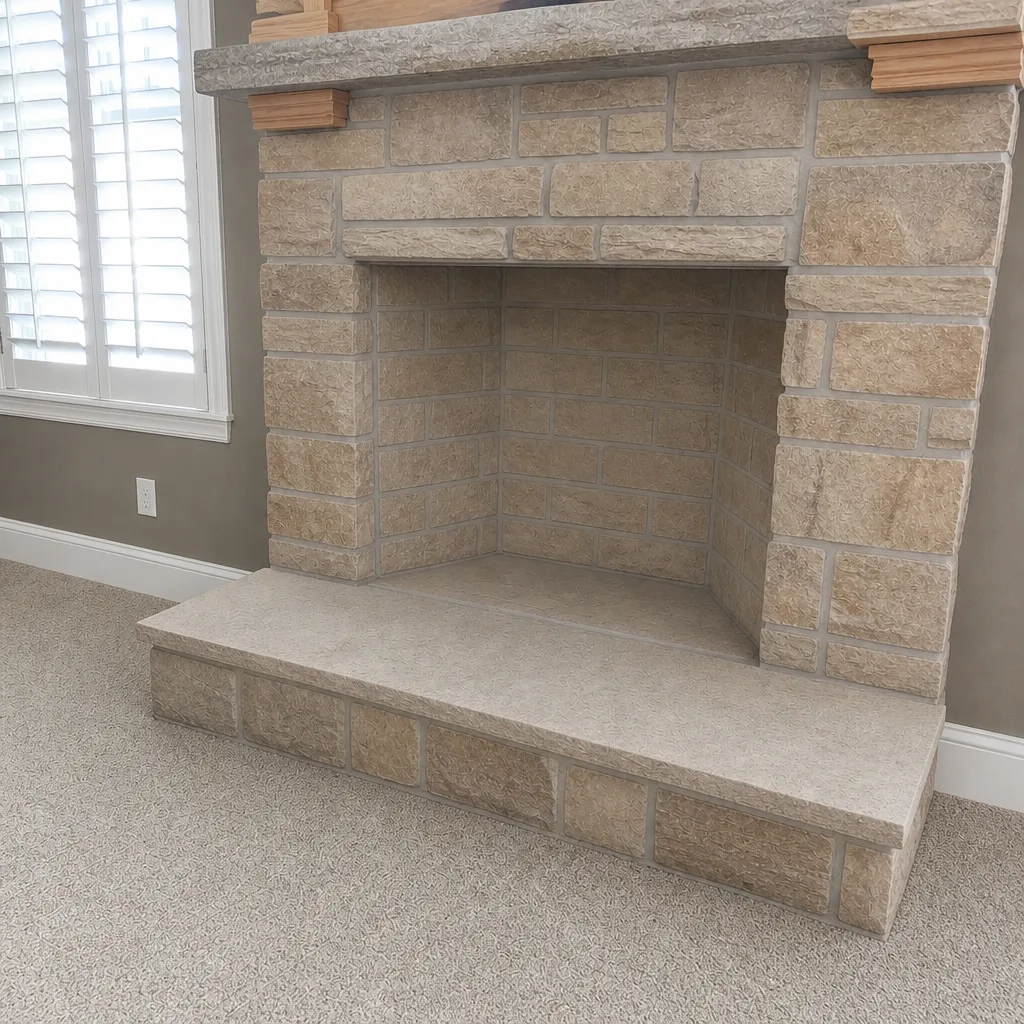 After
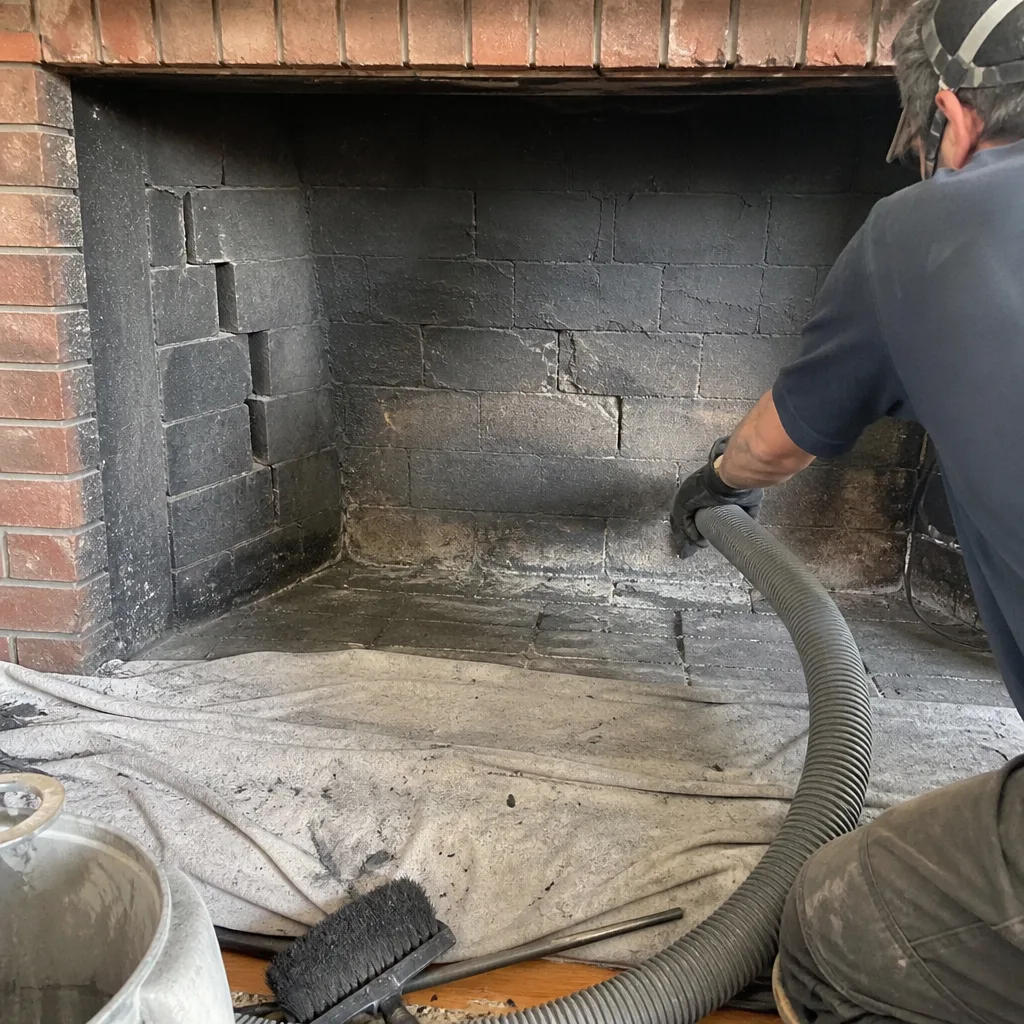 Before
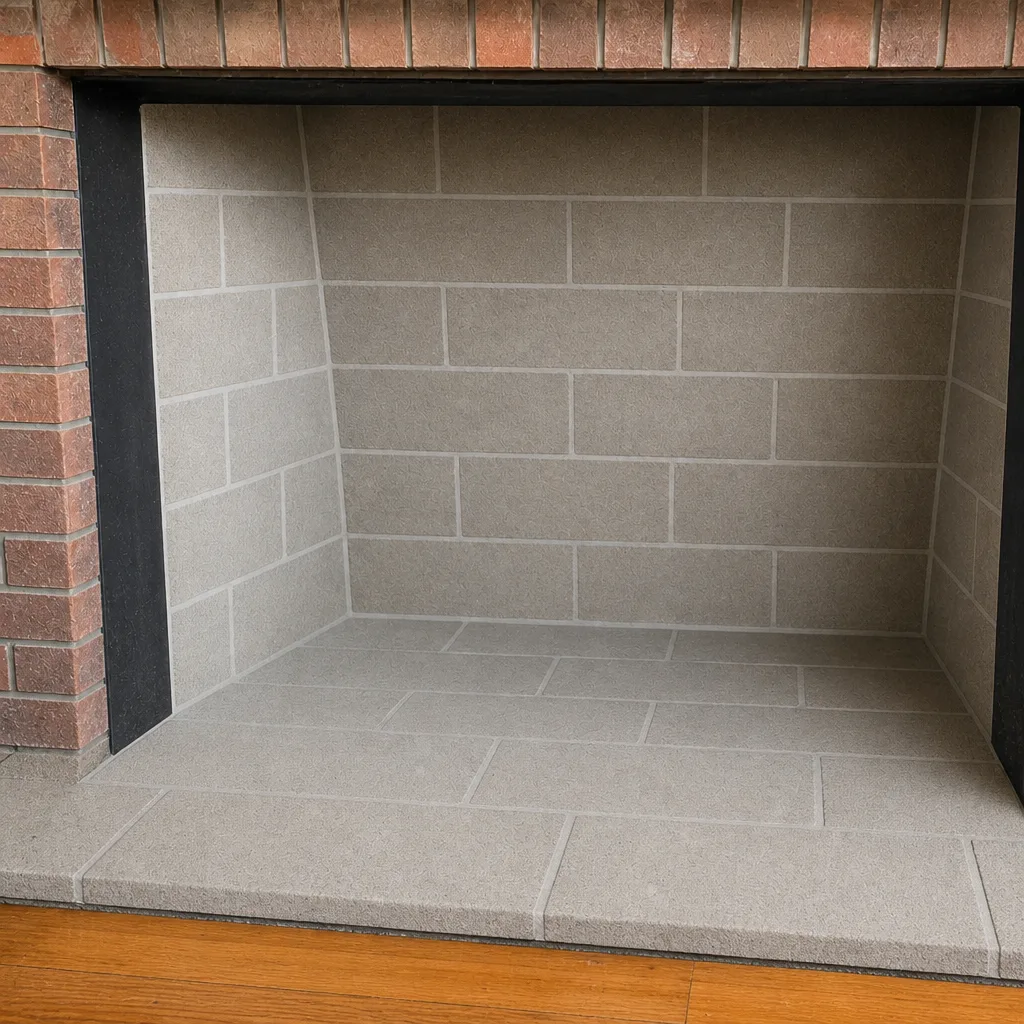 After
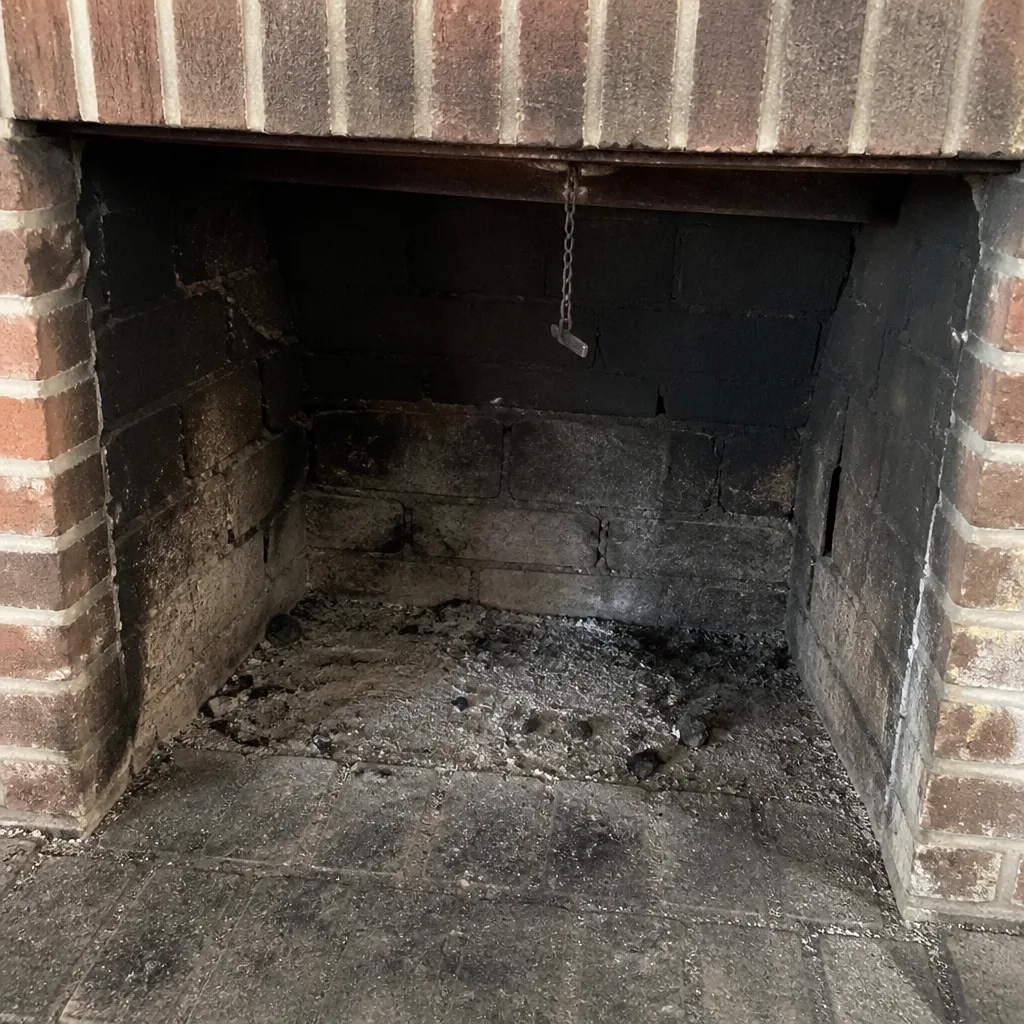 Before
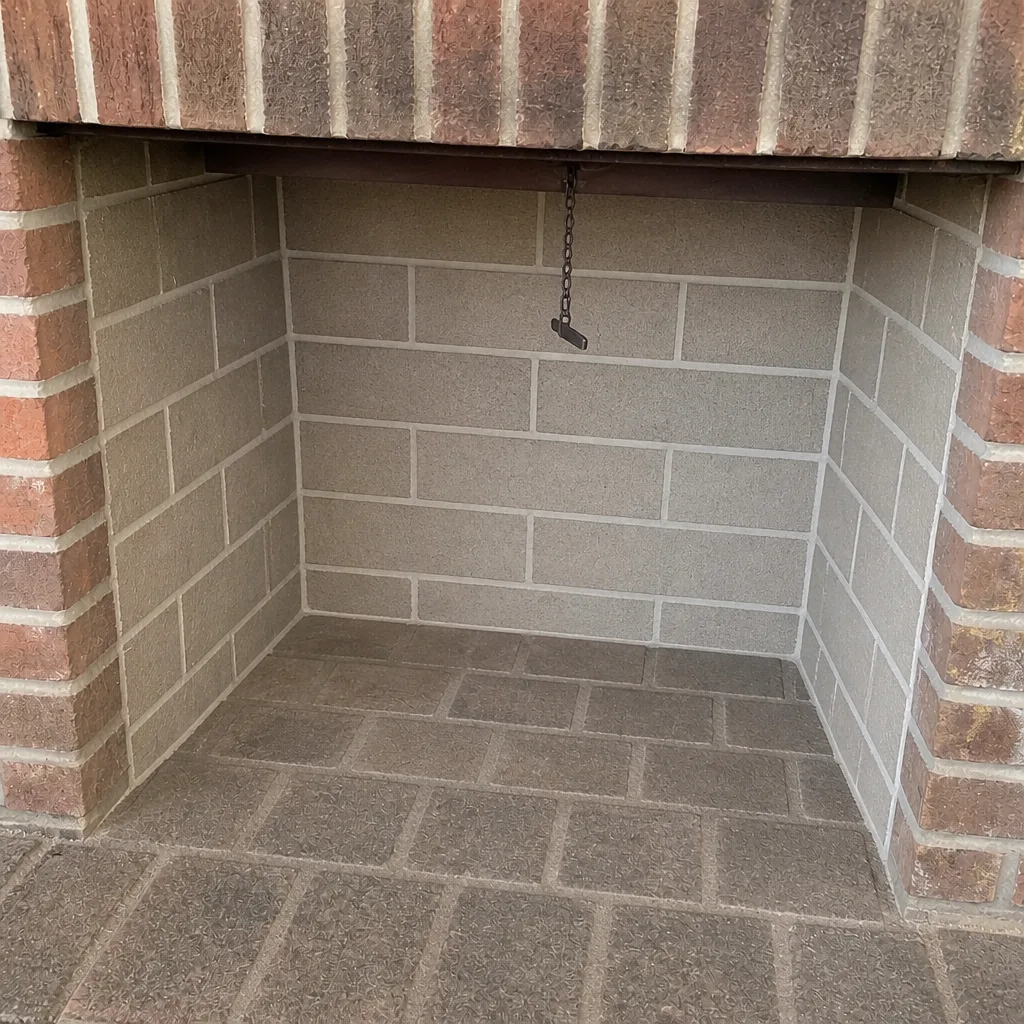 After
Why We Show You the Evidence
The worst upselling in this trade happens on older chimneys, and Sandy has plenty of them. A homeowner with a clay-tile flue in a 1980s house has no independent way to verify a claim about third-degree creosote or a failed liner, which is exactly why those claims get made. We handle this plainly: nothing gets recommended without camera footage you can watch yourself, and the technician tells you when work can safely wait. If a flue genuinely needs relining, the footage shows the cracks and the failed joints, and you decide with the evidence in front of you. That’s the whole standard we work to.
Pricing for Chimney Inspection in Sandy, UT
A typical Level 1 chimney inspection in Sandy runs $125-$200, and a Level 2 inspection with a full camera run usually runs $200-$350. A Level 3, when it’s actually warranted, runs higher because it involves opening up part of the structure. What moves the price is the level of inspection, the number of flues, and the condition of the stack. Relining work, if it comes up, is quoted separately with the material specified. The estimate is free and the written estimate sets the final price, so you’ll know the number before anything is booked. Call (833) 482-6761 for an exact quote on your Sandy chimney.
We Also Serve Cities Near Sandy
Sandy is our focus here, but the surrounding communities have the same older housing stock and the same canyon-wind exposure. If you’re in Midvale, Cottonwood Heights, Granite, or White City, we connect homeowners there with the same local professionals. The details change, but the standard doesn’t: camera evidence, a written report, and a clear answer on what can wait.
Serving Sandy, UT – Our Local Coverage Area
We serve Sandy and nearby communities. Use the map below to see the area we cover. If you’re nearby, we can almost certainly help.
FAQs – Chimney Inspection in Sandy
You want a camera inspection, not just a cleaning. A brush cleans the flue; it can’t show you offset tile joints, gaps at the seams, or spalling mortar, and those are exactly the findings that matter on a 1980s clay-tile liner in Sandy. A cleaning without the camera is a guess. Call (833) 482-6761 and book a Level 2, and you’ll watch the footage with the technician. Estimates are free.
Because of the downslope gusts coming off Little Cottonwood Canyon. Homes higher on the east bench take stronger wind than the valley floor, and any uncapped or damaged flue gets birds and debris pushed straight into it. Valley-floor homes in 84070 and 84094 almost never see the same thing. If you’re up the bench, have the cap checked on the next inspection. Call (833) 482-6761 to schedule one; estimates are free.
You ask to see it on camera. Glazed, third-degree creosote is visible, and any technician making that call should be able to show it to you on footage from your own flue. If they can’t or won’t, treat the claim with doubt. We don’t recommend anything in a Sandy home without camera evidence the homeowner can watch. Call (833) 482-6761 for an inspection with the footage included; estimates are free.
It makes the timing matter more, yes. Inversions trap stagnant air against the Wasatch Front for weeks each winter, so Sandy homes burn wood hard and then sit idle through summer. That’s a heavy creosote cycle followed by a fall backlog, which is why booking before burn season beats waiting. Creosote buildup and carbon monoxide risk are the reasons, not scare tactics. Call (833) 482-6761 to get on the schedule.
A Level 3 is an invasive, targeted inspection: it means opening up part of the chimney or the surrounding structure to reach a defect the camera and visual inspection couldn’t fully assess. In Sandy, it usually comes up when a hidden problem in a chase or a concealed section needs confirmation before a repair. It shouldn’t be routine, and you should hear the specific reason first. Call (833) 482-6761 and we’ll walk you through what applies; estimates are free.
Book Your Sandy Chimney Inspection
Your chimney works hardest in winter, and Sandy’s inversion season won’t wait for a fall backlog to clear. Book an inspection before the burn season starts and you’ll know exactly what’s in that flue: the liner, the mortar, the cap, and the camera footage to back all of it up. Call (833) 482-6761 for a free estimate. We answer 24/7. Fast dispatch from 7am to 7pm, Sunday through Friday.
Written by the team at Chimney Sweep Taylorsville.