
Last updated November 24, 2026
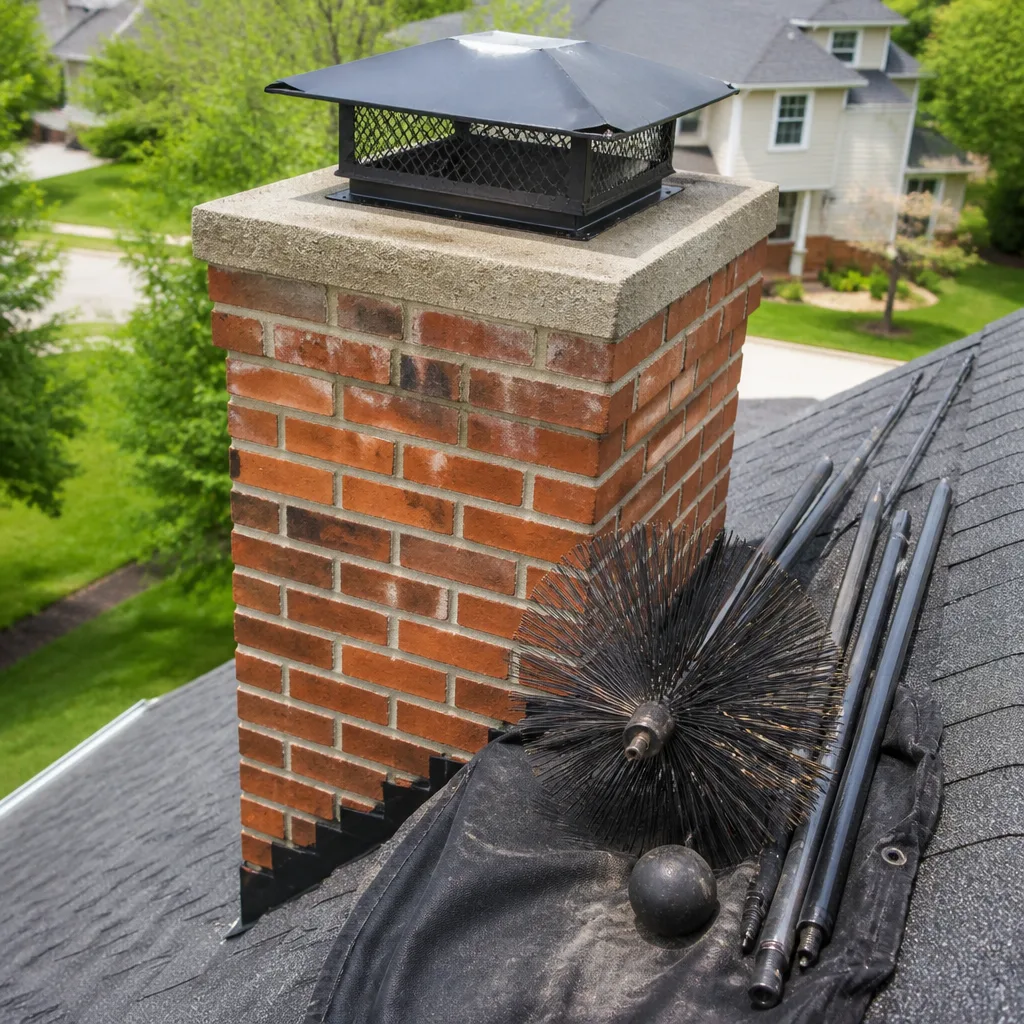 Sweep & inspection
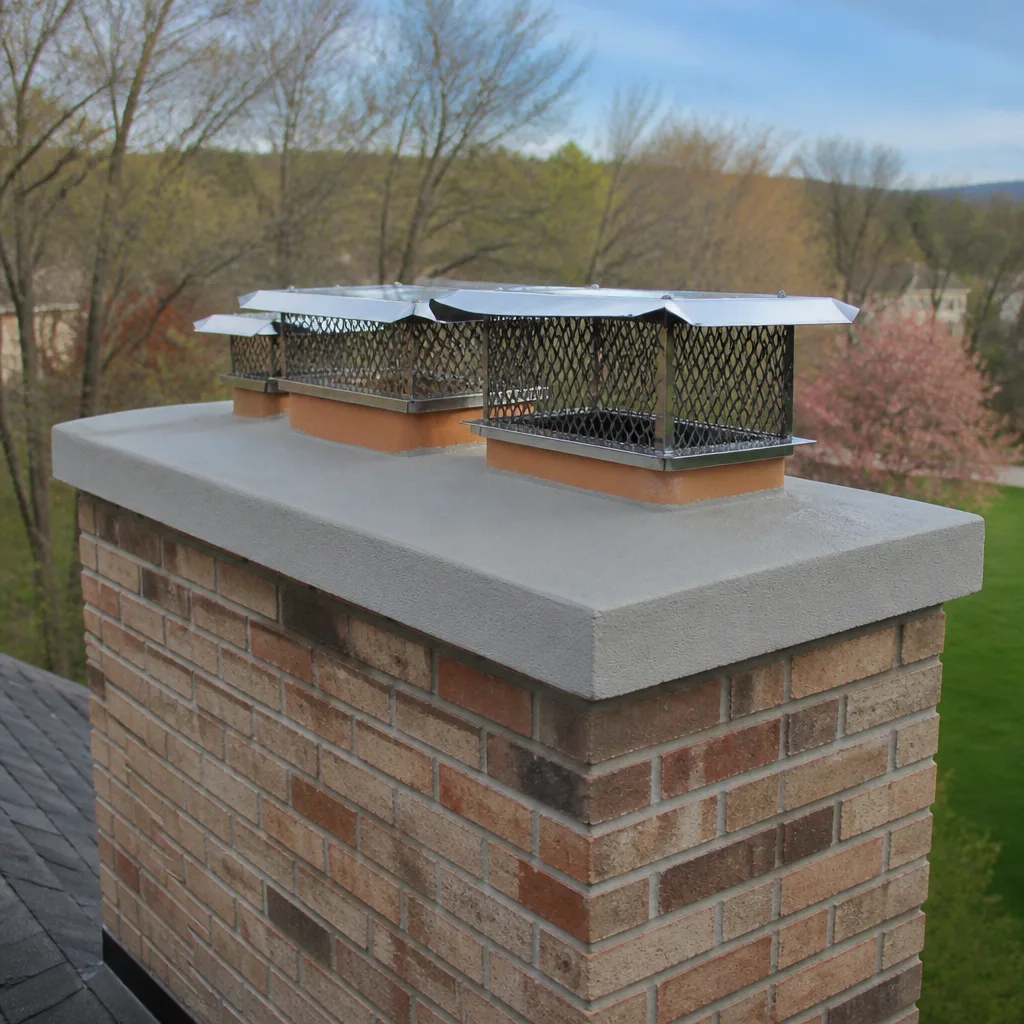 Caps & crowns
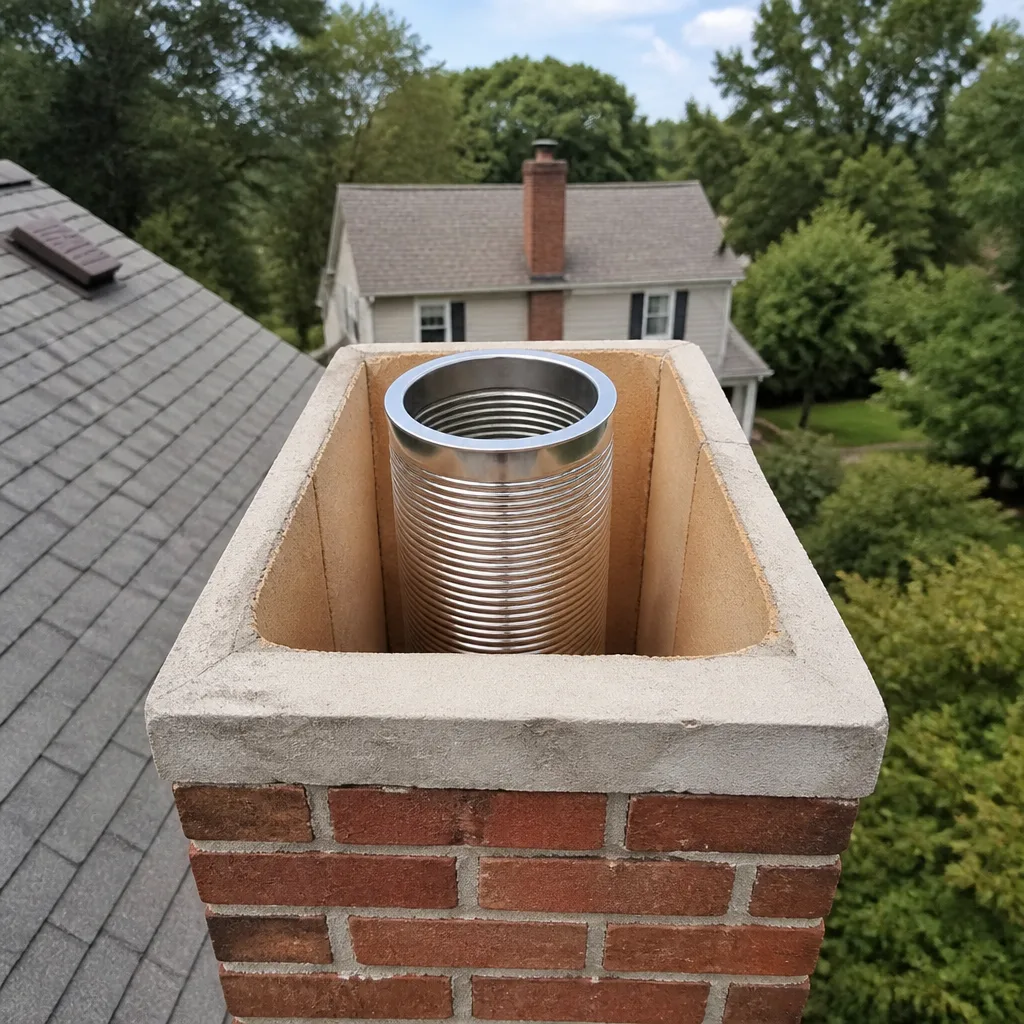 Flue relining
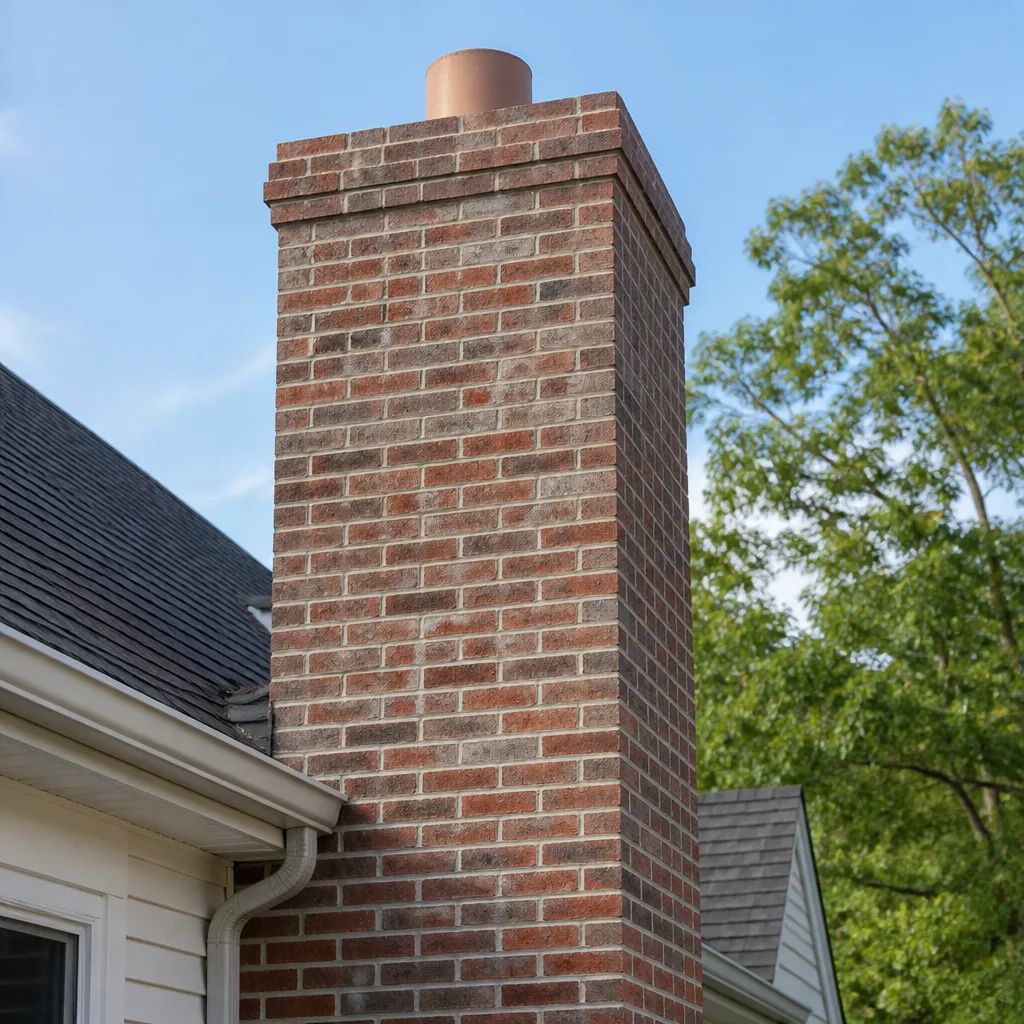 Masonry repair
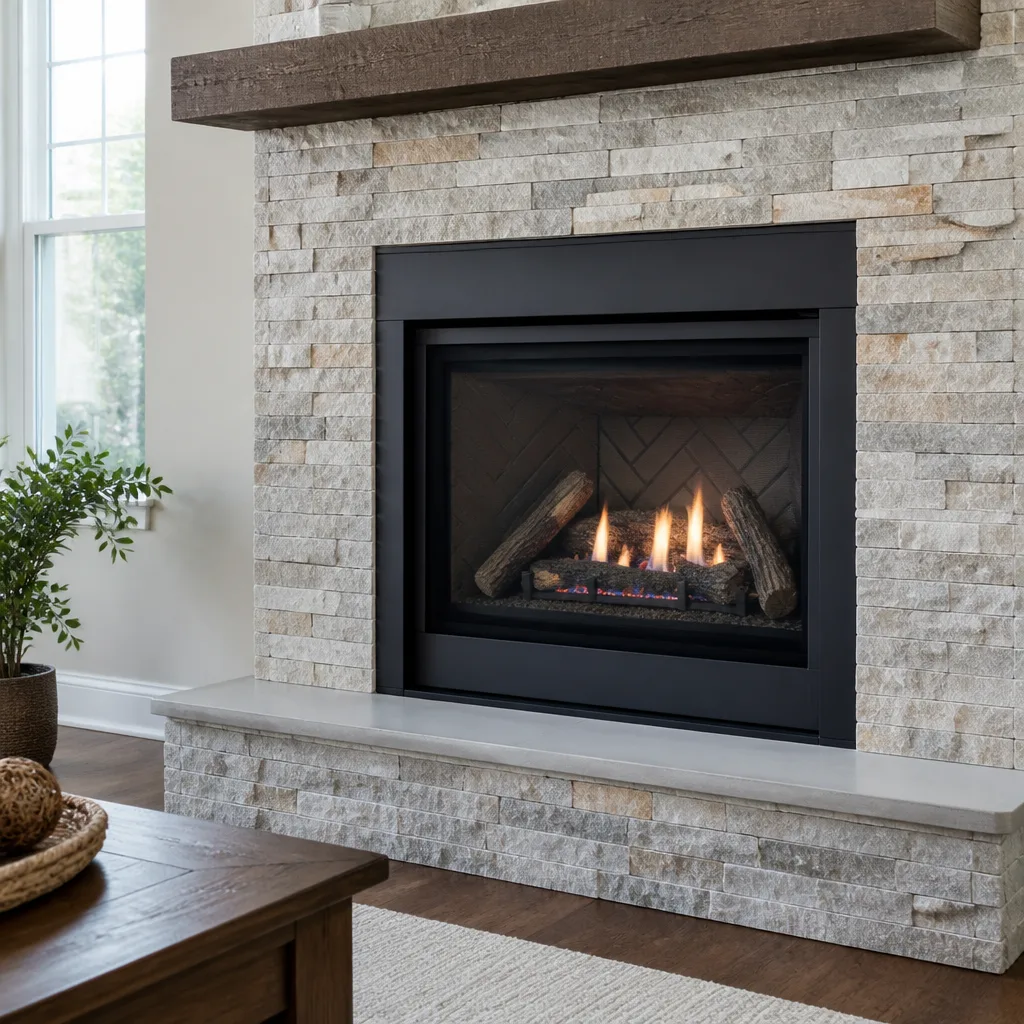 Gas fireplace service
Level 1 sweep and inspection to the NFPA 211 annual standard - flue, crown, cap, and flashing checked and photographed
Chimney sweep logs do not sweep chimneys. They loosen some creosote - which then falls where a brush and vacuum still have to collect it.
Chimney Cleaning Warning Signs: A Taylorsville Homeowner’s Reference Guide
Most homeowners wait for a chimney to announce its problems loudly. It rarely does. The signs that matter are quiet: a faint smoke smell on a windy afternoon, a patch of white powder on the brick, a fire that burns a little less eagerly than it did two winters ago. On their own, each one looks like nothing. In clusters, they tell a story about what’s happening inside the flue, and that story is almost always cheaper to act on early. This guide is built around reading symptom clusters, not isolated events, so you can sort what’s worth watching from what’s worth a call this week. We’ll walk through the signs we see most often in Taylorsville, explain why tightly built newer homes change the picture, and give you a clear go/no-go framework for lighting a fire safely.
Quick Answer
The six chimney warning signs that should prompt a sweep or inspection in Taylorsville are: a smoky smell indoors on windy days, dark staining at the firebox or chimney top, white efflorescence on exterior brick, a cracked crown or missing cap, a fire that draws poorly or smokes back into the room, and a drop in heating performance with no HVAC explanation. Signs in isolation can often wait a few weeks for a scheduled sweep; two or three together mean stop using the fireplace until a technician inspects the system.
Styles & brands we work with
- Sweep & inspection
- Caps & crowns
- Flue relining
- Masonry repair
- Gas fireplace service
Table of Contents
- The Symptom Cluster Framework: Reading Chimney Signs Together
- Warning Signs That Mean “Schedule Soon” (Not Stop)
- Warning Signs That Mean “Do Not Light Until Inspected”
- Why Taylorsville’s Newer Homes Create Chimney Pressure Puzzles
- Exterior Clues That Predict Interior Liner Problems
- Three Warning Signs Homeowners Blame on Something Else
- The Go/No-Go Decision Tree: Should You Light a Fire Tonight?
- When to Schedule Chimney Work in the Taylorsville Climate
The Symptom Cluster Framework: Reading Chimney Signs Together
A single chimney signature is often noise. A smoky smell on one windy day could be a downdraft caused by the weather, a neighbor’s fire, or even a kitchen exhaust fan pulling pressure through the house. Two signatures from different parts of the system at the same time usually means something real is going on. Three or more together is a strong signal it’s time to get the chimney looked at before the next fire.
We sort observations into three groups: pressure signs (how air moves through the house and chimney), moisture signs (how water is getting in and staying in), and combustion signs (how the fire and the flue are performing together). A single pressure sign is common and rarely urgent. A single moisture sign warns of long-term structural damage that will get worse. A single combustion sign is the closest thing to an alarm, because combustion problems are the ones tied to fire and carbon monoxide risk.
Here’s how the sorting works in practice:
- One pressure sign, no others: watch it. Note when it happens (wind direction, which appliance is running). Nothing needs to change tonight.
- One moisture sign: schedule an inspection in the next few weeks. Water entering a chimney rarely reverses itself and often leads to liner and masonry work.
- One combustion sign, or two signs from any groups: stop using the chimney until a technician has inspected the flue and firebox with a camera.
This framework is why we recommend the inspection service as a standalone step before booking a chimney sweep. The inspection tells you what’s in there; the sweep removes what the inspection identified. If your chimney is showing several signs at once, an inspection first means you’ll know whether cleaning alone solves the problem or whether repair is on the table. In Taylorsville, where the housing stock spans several decades of tight construction, we see both – often in the same neighborhood.
Warning Signs That Mean “Schedule Soon” (Not Stop)
Some signs point to a system that’s declining but not dangerous yet. Booking a visit within a few weeks is prudent. These are the ones that fall into that window:
- White efflorescence on exterior brick. That chalky white powder is mineral salt drawn to the surface by moisture moving through the masonry. It’s not a fire risk on its own, but it tells you water is getting into the wall. Left alone, freeze-thaw cycles in a Taylorsville winter will slowly open mortar joints.
- Faint smoke smell in the room on cold, still mornings. When the house is coldest and the chimney is coldest, cold air can pool in the flue. A weak first fire is often just this. Persistent smoke smell hours after a fire is out is a different story.
- Slight creosote smell from the firebox with no smoke visible. A thin layer of creosote at the top of the firebox is normal. A strong, sharp smell means a thicker deposit is likely above.
- A chimney cap showing rust or a bent edge. Caps take a beating. A cap that’s starting to fail is a moisture problem waiting to happen; schedule its replacement before the next wet season.
- Black stains at the top of the firebox opening. These suggest smoke is spilling at startup, which can be a pressure issue or a partially blocked flue. Worth inspecting; not usually urgent.
- A faint ticking or popping sound as metal components warm up. Normal thermal expansion in many cases, but worth flagging for the technician to check the liner connections.
None of these alone requires a call tonight. Together, they justify scheduling a sweep and inspection before the next burn season. Our technicians have up to 15 years of experience reading this exact distinction, and the difference between “watch and schedule” and “stop now” is the whole point of getting a trained eye on it.
Warning Signs That Mean “Do Not Light Until Inspected”
These are the ones that take a chimney out of service until a technician has verified what’s going on. Every one of them is tied to either fire in the flue or carbon monoxide leaving it. Neither is something to test with a candle and a hope.
- Smoke rolling back into the room during or after a fire. This is a draft reversal that can mean a blockage, a liner breach, or a house-pressure problem pulling exhaust down instead of up.
- A strong, sustained creosote smell inside the living space, especially after a fire has burned. Heavy creosote near the flue top is the main fuel for a chimney fire.
- Any sign of a chimney fire having happened. A roaring sound, popping, a black cloud out the top, or a sudden rush of heat (even briefly) all count. Chimney fires can also be quiet and smolder undetected, which is why visible damage to the flue interior after a fire is a stop sign.
- Visible cracks, gaps, or missing tiles in the flue liner, or a flue tile that’s shifted out of alignment at the top.
- Carbon monoxide detectors sounding at any point, even once and even if the source isn’t obvious. Turn off gas appliances, open windows, get out, and call. Do not troubleshoot the chimney yourself.
- Flaking or crumbling masonry inside the firebox, or a cracked firebox floor with a gap to the space below.
- Animal or bird evidence in the flue: nest material, feathers, or a strong ammonia smell. A blocked flue sends exhaust straight back into the room.
- A portion of the chimney cap or crown that has visibly failed and exposed the flue top to direct water and debris.
This is the list where a trained professional matters most. Creosote ignition, liner breach, and carbon monoxide escape are not things a homeowner can verify by eye, and the consequences of being wrong are serious. If you’re seeing any of the above, stop using the fireplace and get the flue inspected before you light another fire.
Why Taylorsville’s Newer Homes Create Chimney Pressure Puzzles
Taylorsville has an unusual mix of housing vintages. Some blocks are full of homes built in the last fifteen to twenty years, tightly sealed with modern windows, spray-foam insulation, and mechanically vented kitchen and bath fans. Those features are good for energy bills and bad for chimney draft. A tight house doesn’t leak air in from the cracks the way an older one did, so when an exhaust fan runs, the house pulls air from wherever it can – sometimes down the chimney.
That produces two effects that confuse homeowners:
- False alarms: a smoky smell on windy evenings, a chimney that smokes back for the first few minutes of a fire, or a draft that feels weak until the flue warms up. None of these mean the flue is damaged. They mean the house is fighting the fire for air.
- Masked problems: a tight house can push just enough air up the flue to hide a partial blockage for months, until a cold night, a closed door, or a running dryer fan tips the balance and the problem shows up all at once.
In our work across Taylorsville, this is the single most misunderstood chimney pattern we run into. A house that “used to draft fine” and suddenly doesn’t rarely has a new hole in the roof. Usually something else changed: a new high-efficiency furnace, a new dryer, a bathroom fan swap, or a remodel that tightened the envelope further. A camera inspection separates the house-pressure story from the flue-condition story in about an hour, and the fix is different for each one. A blocked flue needs cleaning or relining; a pressure problem needs combustion air, a draft assist, or fan coordination. Guessing wrongly wastes money and leaves the real problem untouched.
Where a liner actually is compromised but not fully failed, HeatShield resurfacing can restore the interior without full replacement. That’s the kind of distinction a camera inspection surfaces before anyone quotes you a job.
Exterior Clues That Predict Interior Liner Problems
Before a chimney ever smokes, stains, or smells, the outside of the chimney usually shows the future. Water is patient. Every wet cycle through a Taylorsville winter is a small movement of masonry, and the patterns it leaves on the exterior are often the first readable evidence that the liner is at risk. When you walk around the house in fall, look for these:
- Efflorescence – the chalky white bloom on brick or mortar. Moisture is moving through the wall from inside to out. Left alone, the freeze-thaw cycle widens mortar joints and, over several seasons, can let water reach the flue lining.
- Dark vertical staining down the exterior face. This is often creosote or soot that has escaped at a joint higher up the stack, or water that has picked up combustion residue on its way through the masonry. Either one points to a breached interior surface.
- Crown cracking. The concrete crown at the top of the chimney is designed to shed water away from the flue. Cracks, crumbling edges, or a crown that’s separated from the flue tile let water run straight down the liner exterior. This is where most of the serious water damage we see in Taylorsville starts.
- A missing, loose, or rusted chimney cap. Without a proper cap, rain and snow go straight down the flue, and birds and squirrels treat the opening as real estate. A cap also stops wind-driven downdrafts, one of the pressure-sign sources discussed earlier.
- Spalling brick near the top of the stack. Brick faces flaking off means the masonry is saturated and freezing. The flue lining is next.
- Rust streaks on the cap or chase top. A small reminder that metal components fail long before masonry does.
On a Taylorsville home, a cap and crown repair often costs a fraction of what a liner replacement runs, and it prevents the liner work in the first place. That’s why we treat chimney repair as more than fixing what already broke – the right crown and cap are the cheapest long-term defense a chimney has. We use professional-grade materials (Gelco crowns, Copperfield caps, and similar lines from chimney-supply channels) rather than retail substitutes, because the difference in service life is measured in years, not months.
Three Warning Signs Homeowners Blame on Something Else
This is where the diagnostic instinct matters. Three chimney problems routinely get filed as HVAC, insulation, or roofing issues, and the misattribution delays the actual fix – sometimes by a full season.
1. “The HVAC isn’t heating as well as it used to.”
A fireplace that shares a house with a forced-air furnace can cause the furnace to work harder. If a chimney’s flue is cold and the house is tight, the furnace can pull combustion air down the chimney and cool the room it’s trying to heat. A homeowner sees a cold room and calls the HVAC company; the HVAC company finds a perfectly healthy furnace. The chimney is the actual pressure problem. If heating performance drops in the same rooms year after year and every furnace check comes back clean, put the chimney on the inspection list before you replace any equipment.
2. “We must need more attic insulation.”
A persistent cold draft in a room that has a fireplace often gets blamed on insulation. Sometimes that’s right. But if the draft is strongest on windy days and disappears on calm ones, it’s not a thermal problem – it’s air being pulled down the flue. Adding insulation doesn’t fix a chimney downdraft, and it can make the pressure imbalance worse by tightening the house further. Check for the draft when the wind is blowing. If that’s the pattern, the chimney is the place to look first.
3. “There’s a roof leak.”
Water stains on a ceiling near the chimney are frequently assumed to be a roof leak, and often they aren’t. In Taylorsville, a failed crown or a rusted cap sends water straight down the outside of the flue, and it shows up inside the house exactly where a roof leak would. A roofer patches the shingle, the leak returns, and the real source is a few feet above and never touched. Before any roof work, look at the top of the chimney. If the crown is cracked or the cap is missing, fix that first.
For the fireplace side of the same principle, the fireplace repair work we handle routinely starts with separating symptoms that look like one system from problems that live in another. A smoky fire isn’t always a dirty chimney; sometimes it’s a firebox that’s been patched with the wrong material, a damper that no longer seats, or a flue that needs relining. Our HeatShield and DuraFlex capabilities exist because those distinctions matter at the point of repair, not the point of sale.
The Go/No-Go Decision Tree: Should You Light a Fire Tonight?
Here’s the framework we’d give a neighbor. Start at the top and stop at the first “no.”
- Do you smell a strong, sharp, or unusual odor in the room right now? If yes, don’t light. Get it inspected.
- Is any carbon monoxide detector showing a fault, or has one sounded in the last few days? If yes, don’t light. Address CO first.
- Can you see smoke rolling back inside the room, or did it happen on the last fire? If yes, don’t light. That’s a draft reversal that needs investigation.
- Is there visible damage to the firebox, damper, or firebox floor? If yes, don’t light.
- Is the chimney cap missing, or is the crown clearly broken? If yes, schedule a repair before the next fire. If rain has been getting in for a while, add an inspection.
- Are there visible cracks in the flue tile from the top? If yes, don’t light until the liner has been assessed. Cracks in a flue tile are cracks in the barrier between combustion gases and the house.
- Is this the first fire of the season and you haven’t had the chimney looked at in a year or more? Book an inspection and sweep before lighting. A thin bit of patience here is worth it.
- Does the fire draw normally and burn cleanly with all previous checks passing? Then light it. Enjoy.
Nothing on this tree requires you to guess at creosote thickness, flue integrity, or draft mechanics. It’s a stop/go filter you can run in your head in thirty seconds, and it errs on the side of caution exactly once: when a camera would be doing the deciding.
When to Schedule Chimney Work in the Taylorsville Climate
Timing here follows the seasons, not the calendar on a marketing page. Taylorsville’s winters are cold enough that the chimney does its hardest work between November and March, and the smart scheduling window is in the stretch before the first sustained cold snap. A sweep and inspection booked in early fall catches moisture damage from the previous winter and any liner changes from summer AC cycling before you need the fireplace again.
The most common pattern we see is a homeowner who notices a warning sign in January, waits for spring, and then forgets about it. By the following fall, a minor crown crack has become a saturated flue lining. If you noticed a sign this season, the right next step is a call now, not a call in March. Moisture damage doesn’t take a season off.
For year-round scheduling, there’s no advantage to waiting for a “convenient” week. Weather-wise, chimney work in Taylorsville is often easier in the shoulder months, when roof access is safer and masonry materials cure more predictably. That’s a scheduling convenience, not a safety difference. The safety difference is between an inspected chimney and an uninspected one.
If you’re unsure whether the signs you’re seeing are worth a visit, the answer costs nothing to find out. We can work with your inspector on any chimney in Taylorsville and give you a written read of what we find.
Common Mistakes to Avoid
- Treating one warning sign as the whole story. A single smoky evening is usually a downdraft. Two or three signs together is the real signal. Build the habit of noting every sign on the same week, not reacting to each in isolation.
- Burning a “test fire” to see if the problem is serious. A test fire in a compromised flue can push exhaust into the house or ignite creosote. If signs point to “stop,” stop. Don’t test.
- Assuming a chimney that looks clean outside is safe inside. The firebox and flue interior carry the risk. Exterior cleanliness says nothing about creosote buildup, liner condition, or blockages.
- Hiring a sweep and skipping the inspection. Cleaning a chimney that has a cracked liner or a failed crown just clears the creosote that was covering the problem. The inspection finds it; the sweep removes what’s safely removable.
- Sealing around a chimney cap or crown as a seasonal patch. Retail caulks and sealants fail quickly against Taylorsville’s freeze-thaw cycling. The failure isn’t cosmetic – it’s the mechanism that lets water reach the liner.
- Blaming the HVAC before checking the chimney. If a room runs cold on windy days only, the furnace isn’t the source. Pressure coming down the chimney almost always is.
- Waiting until the first hard freeze to schedule. Booking a sweep and inspection before the cold season starts means you know what you’re working with before you need the fireplace at its best.
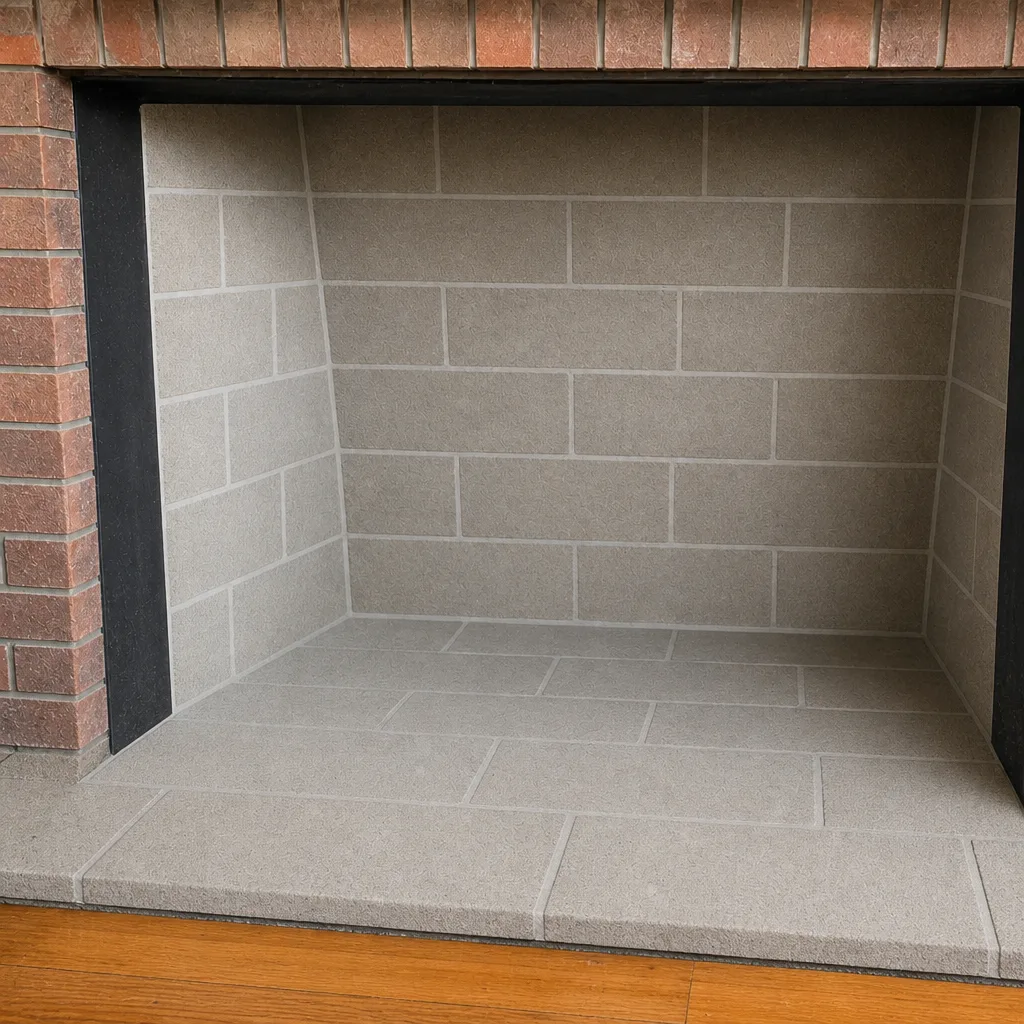
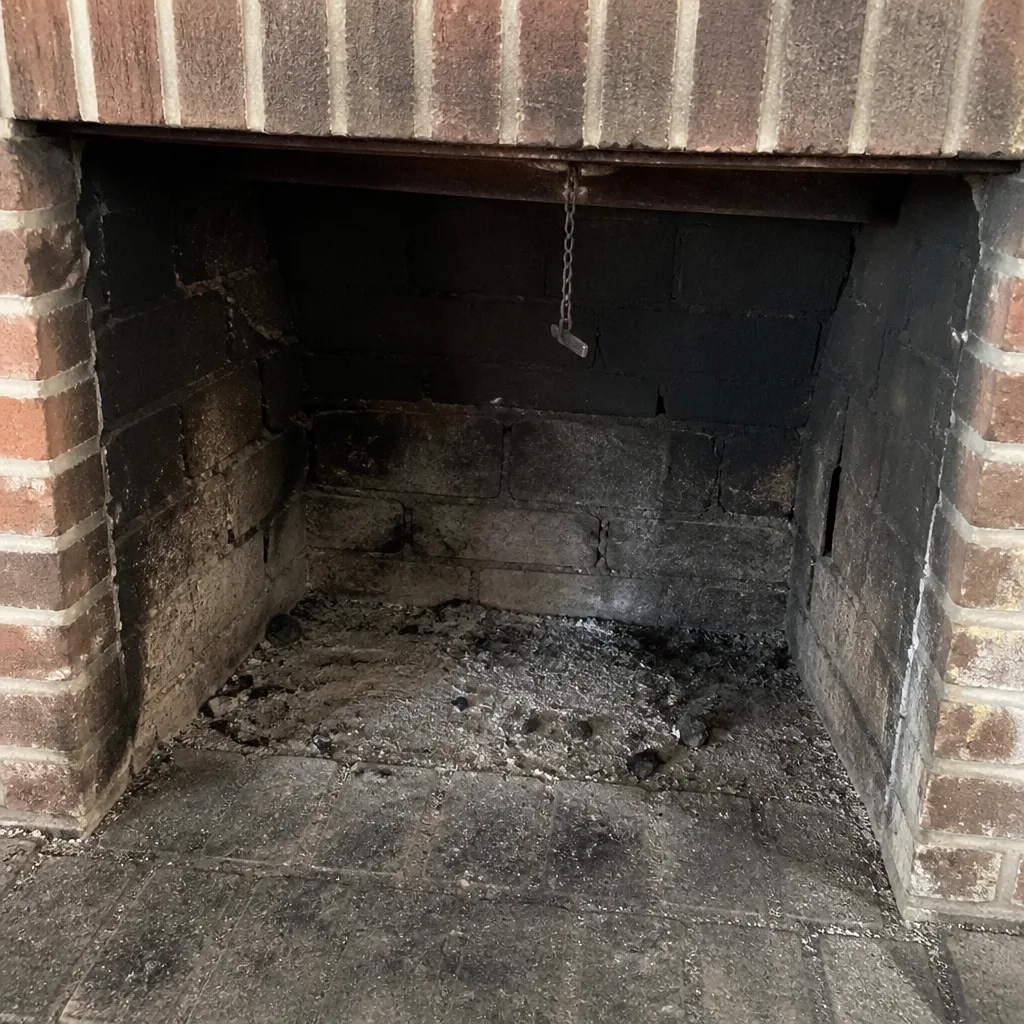
See the difference
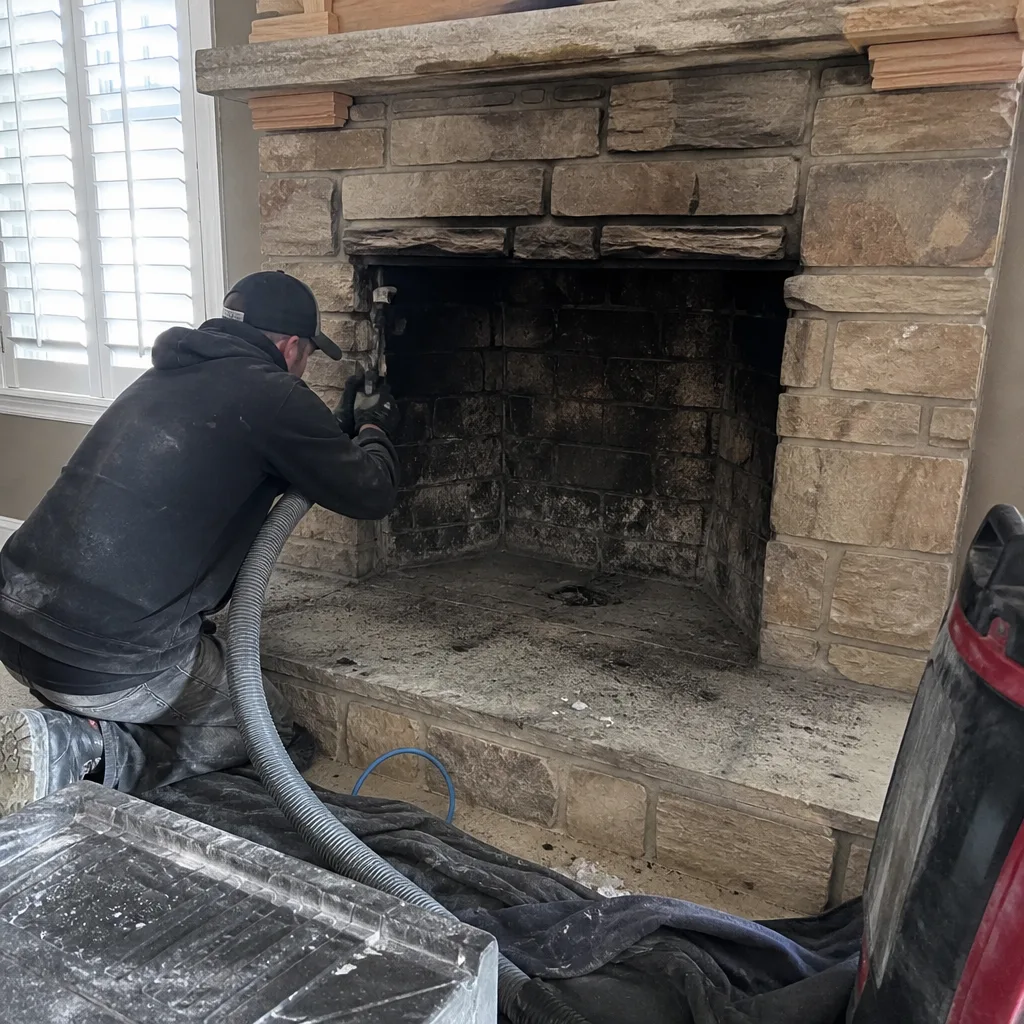 Before
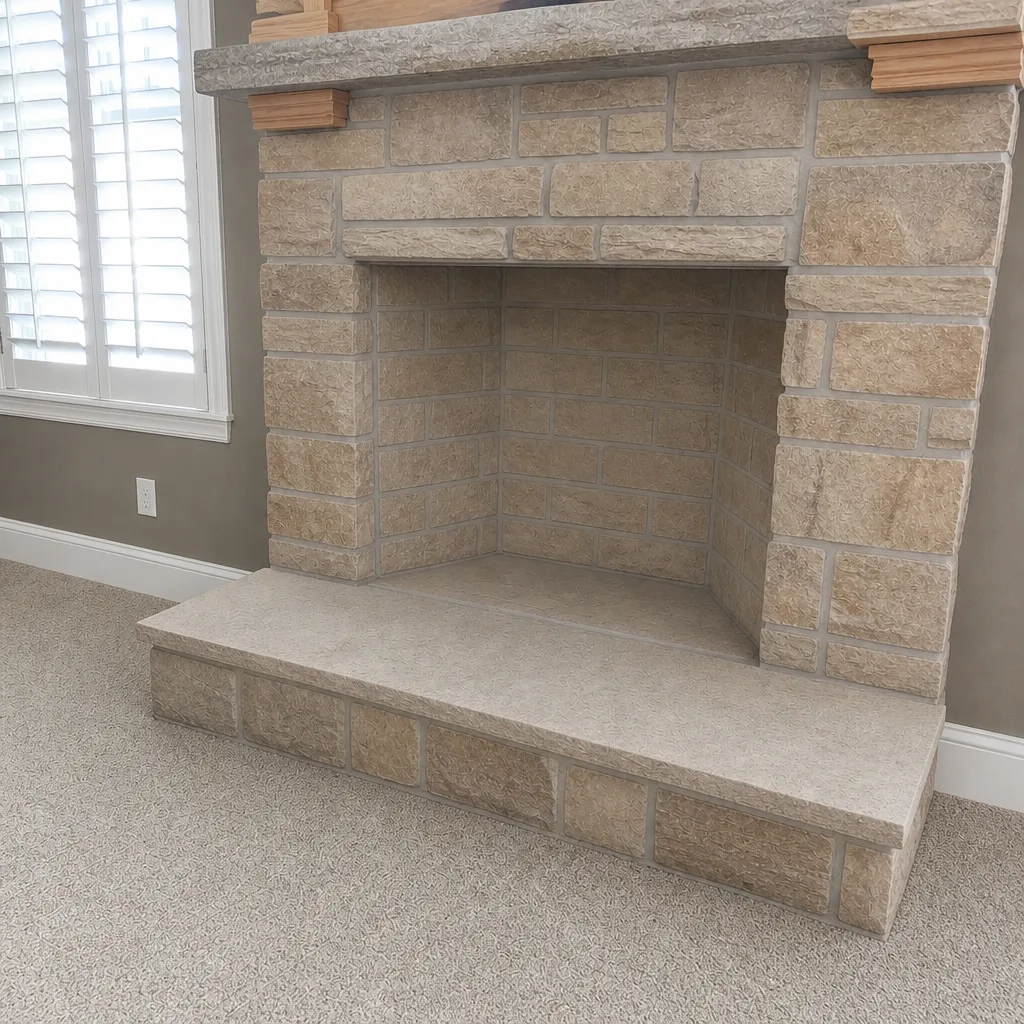 After
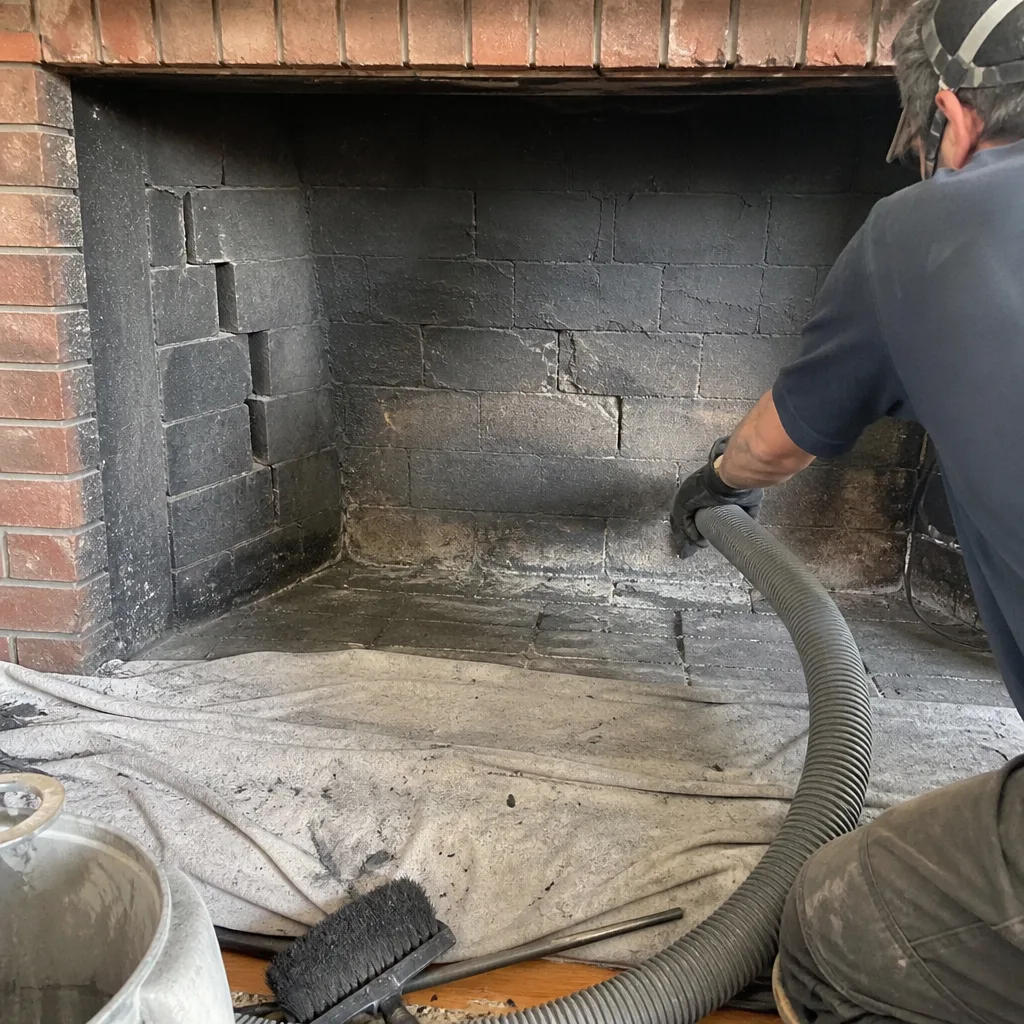 Before
 After
 Before
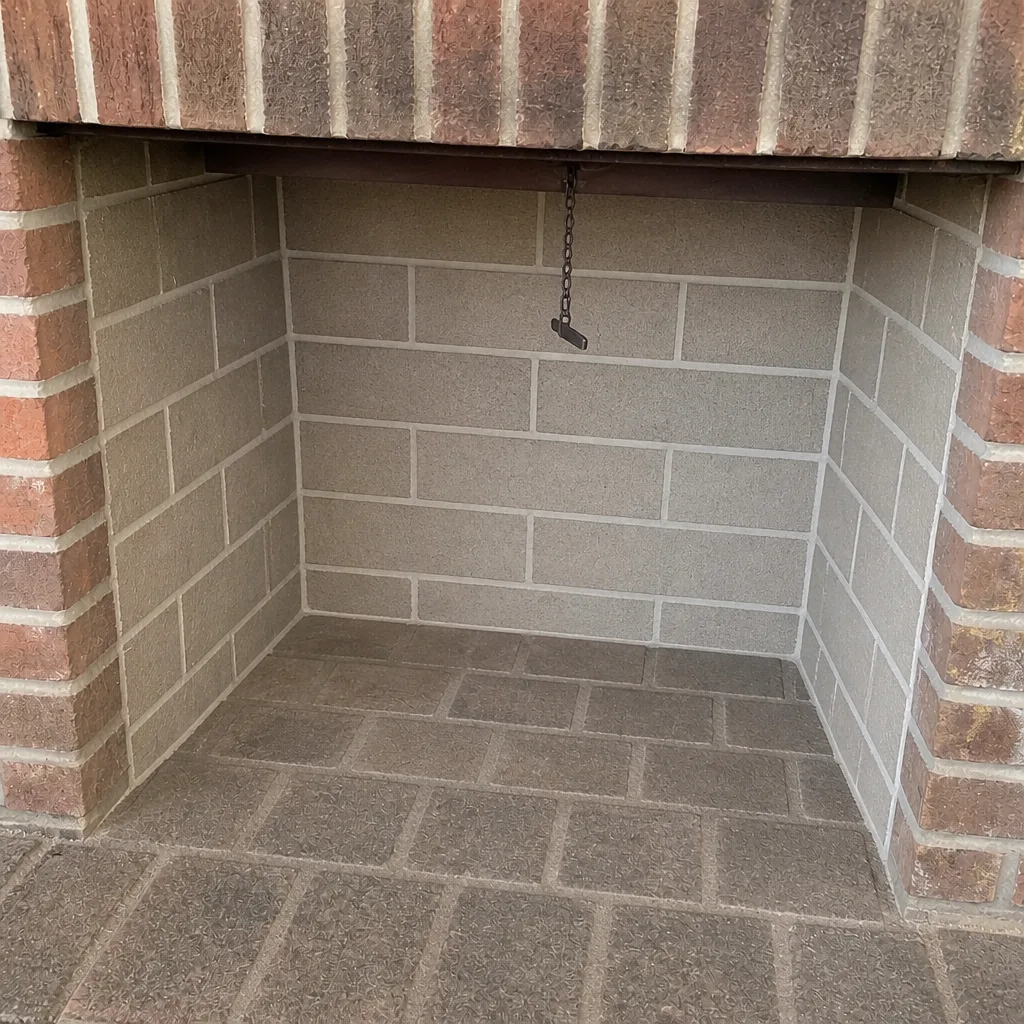 After
When to Call a Professional
Call when you see any single item from the “do not light” list, when two or more signs from the “schedule soon” list appear within the same month, or when a fire that used to draw well suddenly doesn’t. Call after any suspected chimney fire, even a quiet one. Call before the first burn of the season if the chimney hasn’t been inspected in over a year, and call any time water damage is visible on the crown, cap, or exterior brick. Our technicians have up to 15 years of experience and handle the full system – sweep, inspection, fireplace and chimney repair, and cap and crown work. Chimney Sweep Taylorsville offers free estimates in Taylorsville – call (833) 482-6761. We answer 24/7. Fast dispatch from 7am to 7pm, Sunday through Friday.
Frequently Asked Questions
A standard chimney sweep in Taylorsville is priced per job based on the chimney’s condition, accessibility, and how much creosote needs removing, and the written estimate confirms the final figure before any work begins. An inspection is often quoted separately because it’s an independent assessment, not just a cleaning. Call (833) 482-6761 for an exact quote – estimates are free.
Not always. A camera inspection is what determines whether a liner needs replacement, resurfacing, or nothing at all. HeatShield resurfacing can restore a compromised clay liner in some cases without full replacement, and a DuraFlex liner installation is the option when the existing liner is too damaged to resurface. Nothing should be recommended without camera evidence you can see for yourself – and if the liner is sound, we’ll tell you so. Call (833) 482-6761 to schedule an inspection.
The general rule is annual inspection and sweeping as needed for a home that burns wood regularly, and an inspection at least once a year for a chimney that’s only used occasionally. The specific interval depends on how much you burn, what you burn, and the draft behavior of your house. If you see any of the “schedule soon” signs from this guide, don’t wait for the annual mark. Call (833) 482-6761 for an exact quote – estimates are free.
Creosote accumulates in the flue each time you burn, and heavy creosote is the main fuel for a chimney fire. Skipping a sweep also means minor moisture problems on the crown or cap go unfixed, which eventually saturates the flue lining and turns a small repair into a full liner job. On the safety side, a blocked or breached flue can send carbon monoxide into the living space. None of this requires alarm – it requires a calendar reminder and a call. Call (833) 482-6761 for an exact quote – estimates are free.
Wind-driven downdrafts are the usual cause, and they’re common in Taylorsville’s tightly built newer homes where the house can’t easily pull in replacement air. The downdraft pushes cold air down the flue and causes a puff of smoke smell, but it can also be a sign of a partial blockage or a cap that’s no longer stopping wind. It’s worth having checked if it happens repeatedly. Call (833) 482-6761 to schedule an inspection.
A small crown crack can often wait a few weeks for a scheduled repair, but it should not wait through a full winter. Freeze-thaw cycles widen the crack, and water running down the flue exterior damages the liner in ways that are expensive to fix later. If the crown is crumbling or separated from the flue tile, treat it as a “schedule soon” sign. Call (833) 482-6761 for an exact quote – estimates are free.
The Bottom Line
Chimney failures almost never arrive as a single dramatic warning. They build up through clusters of small, easy-to-dismiss signs: a smell, a stain, a draft, a cold room. Learning to read those signs together – pressure, moisture, combustion – is what turns a homeowner from a spectator into someone who can act before the cost goes up. The go/no-go tree in this guide is designed for you to use at the fireplace, in the moment, with no special tools. If nothing else, remember this: one sign means watch, two or more means call. We handle the full chimney system in Taylorsville, from the firebox floor to the cap on top, and an inspection tells you exactly what’s there – no guesswork, no upsell pressure.
Call (833) 482-6761 for a free estimate. We answer 24/7. Fast dispatch from 7am to 7pm, Sunday through Friday.
Written by the team at Chimney Sweep Taylorsville.