
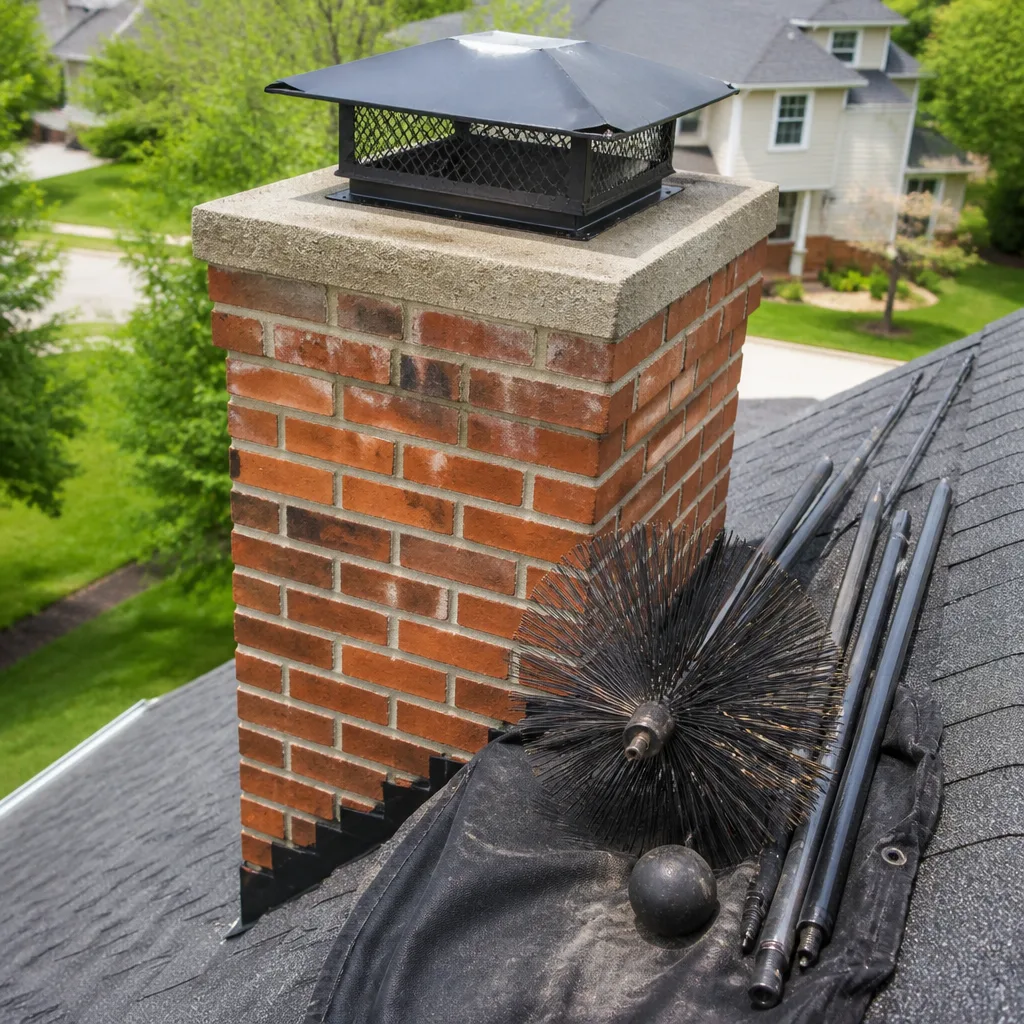
 Sweep & inspection
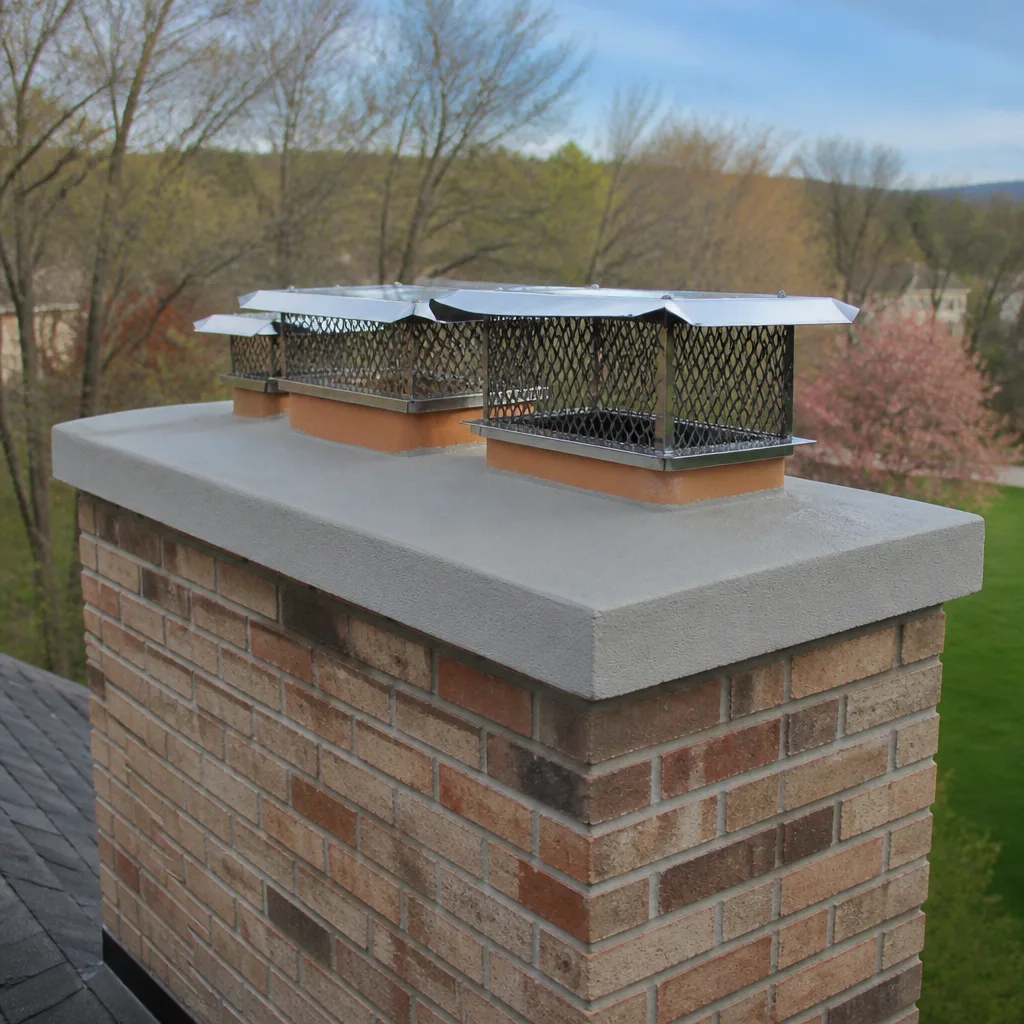 Caps & crowns
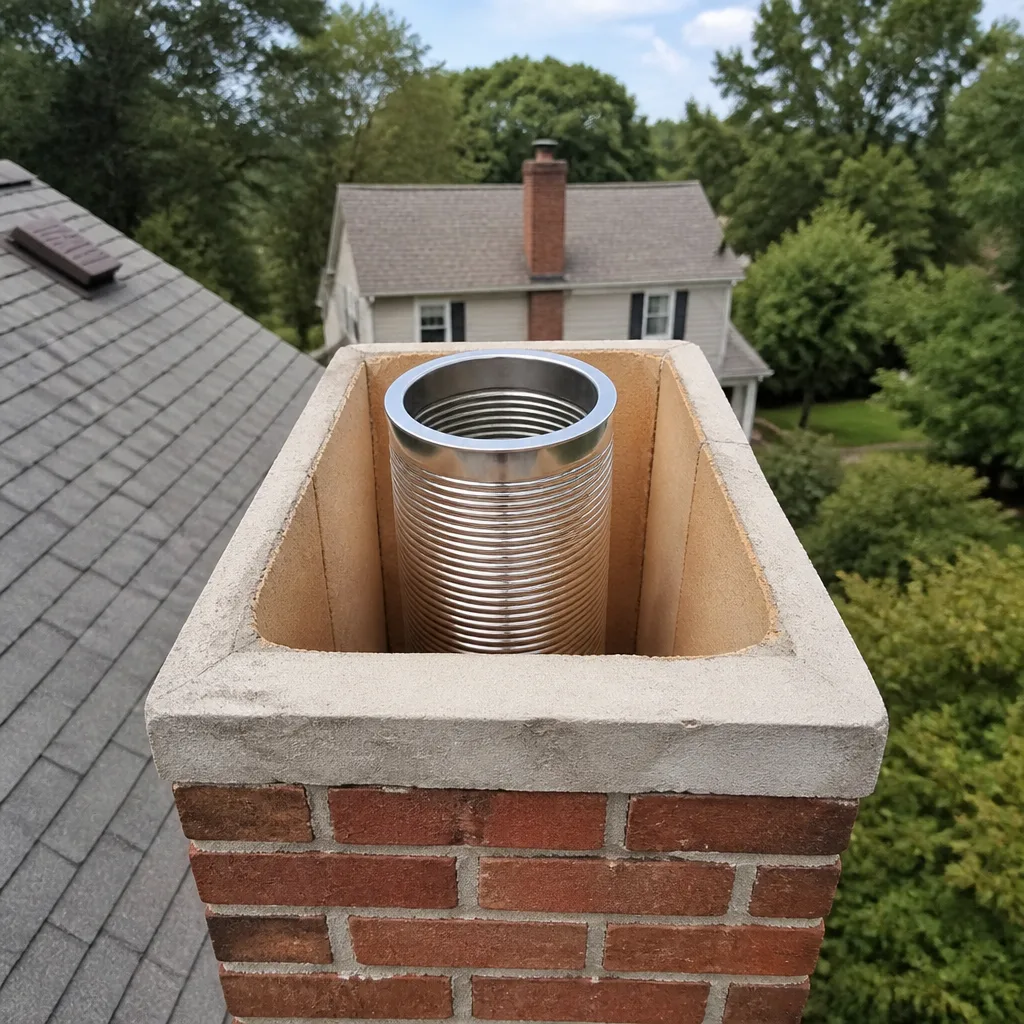 Flue relining
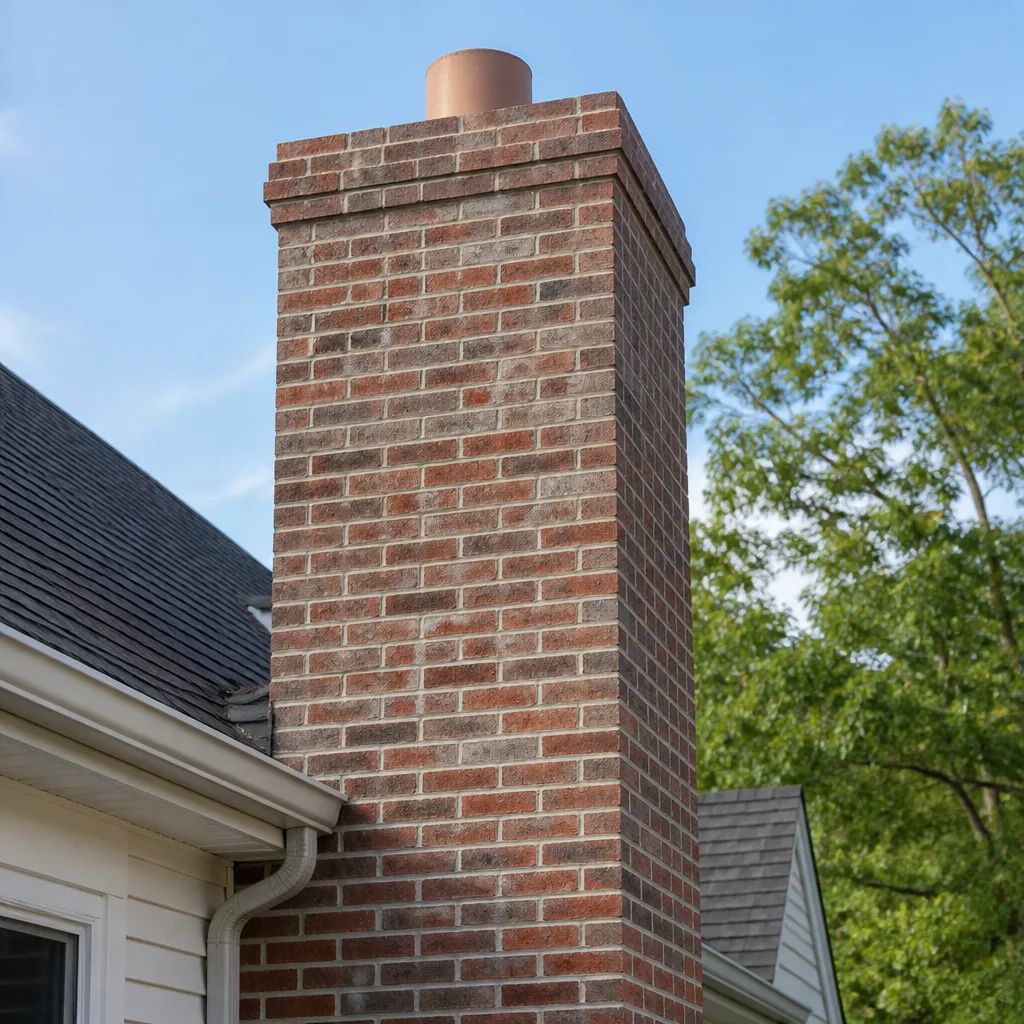 Masonry repair
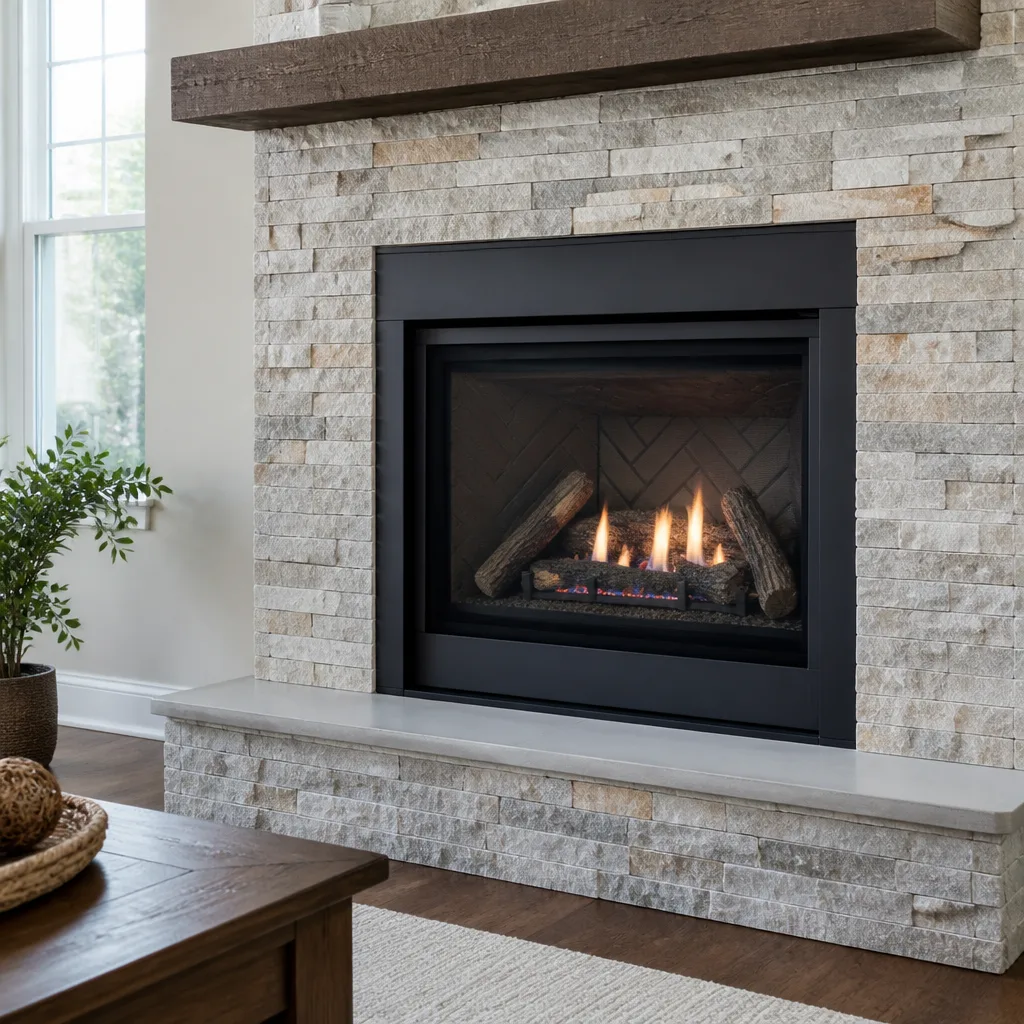 Gas fireplace service
Level 1 sweep and inspection to the NFPA 211 annual standard - flue, crown, cap, and flashing checked and photographed
Chimney sweep logs do not sweep chimneys. They loosen some creosote - which then falls where a brush and vacuum still have to collect it.
Styles & brands we work with
- Sweep & inspection
- Caps & crowns
- Flue relining
- Masonry repair
- Gas fireplace service
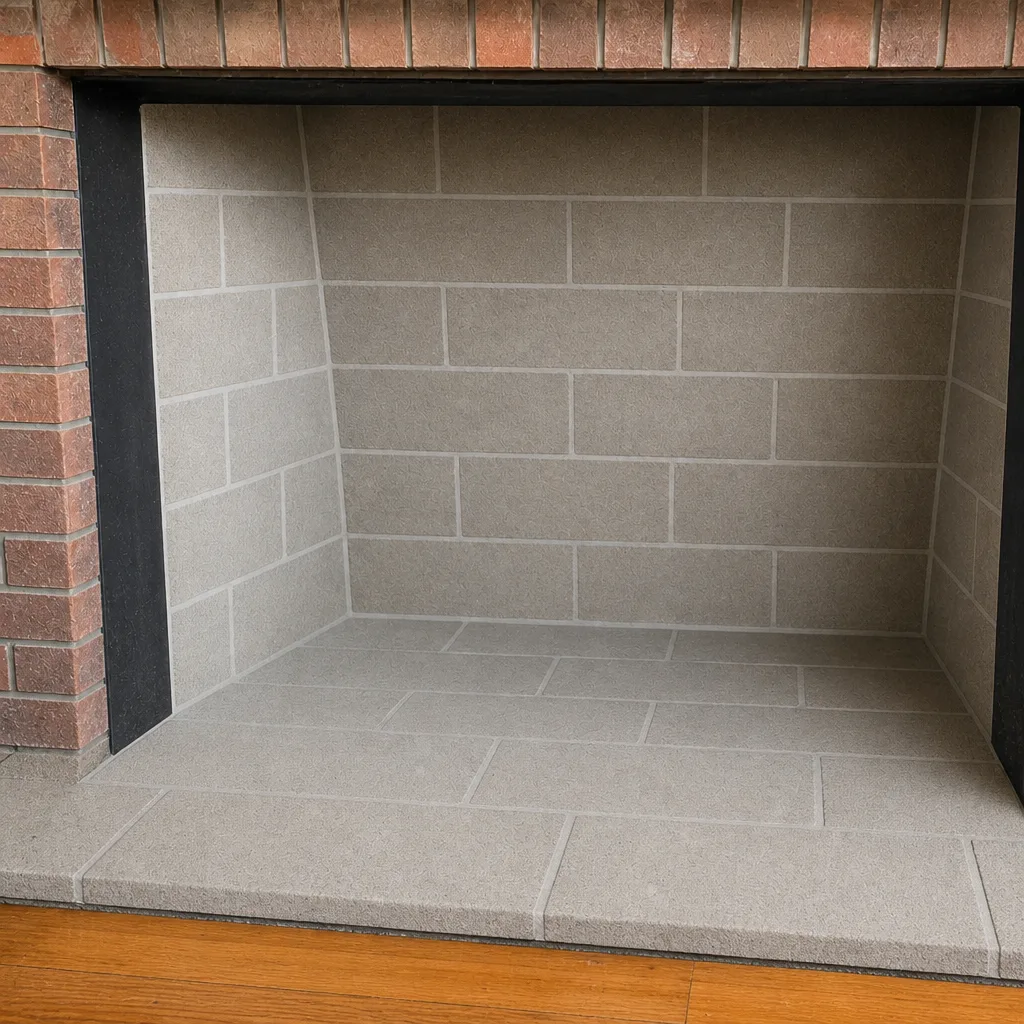
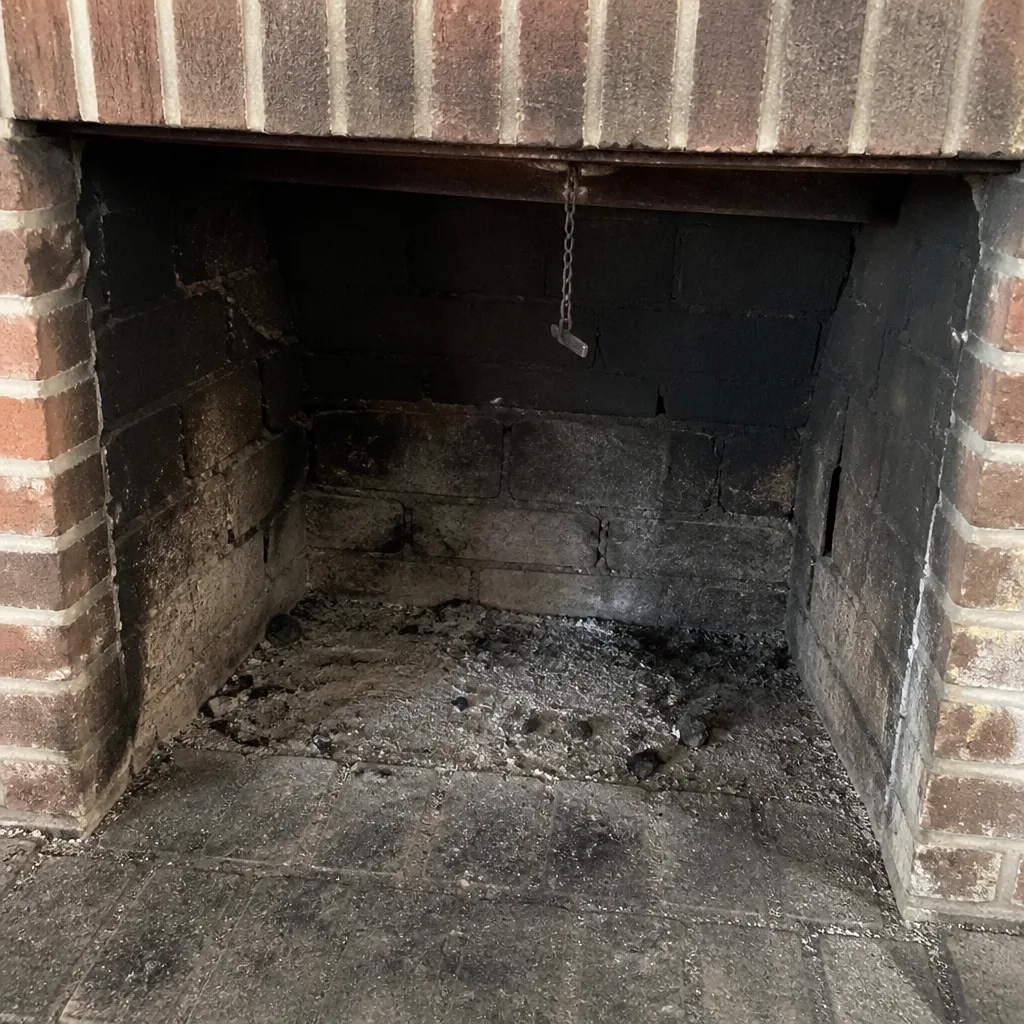
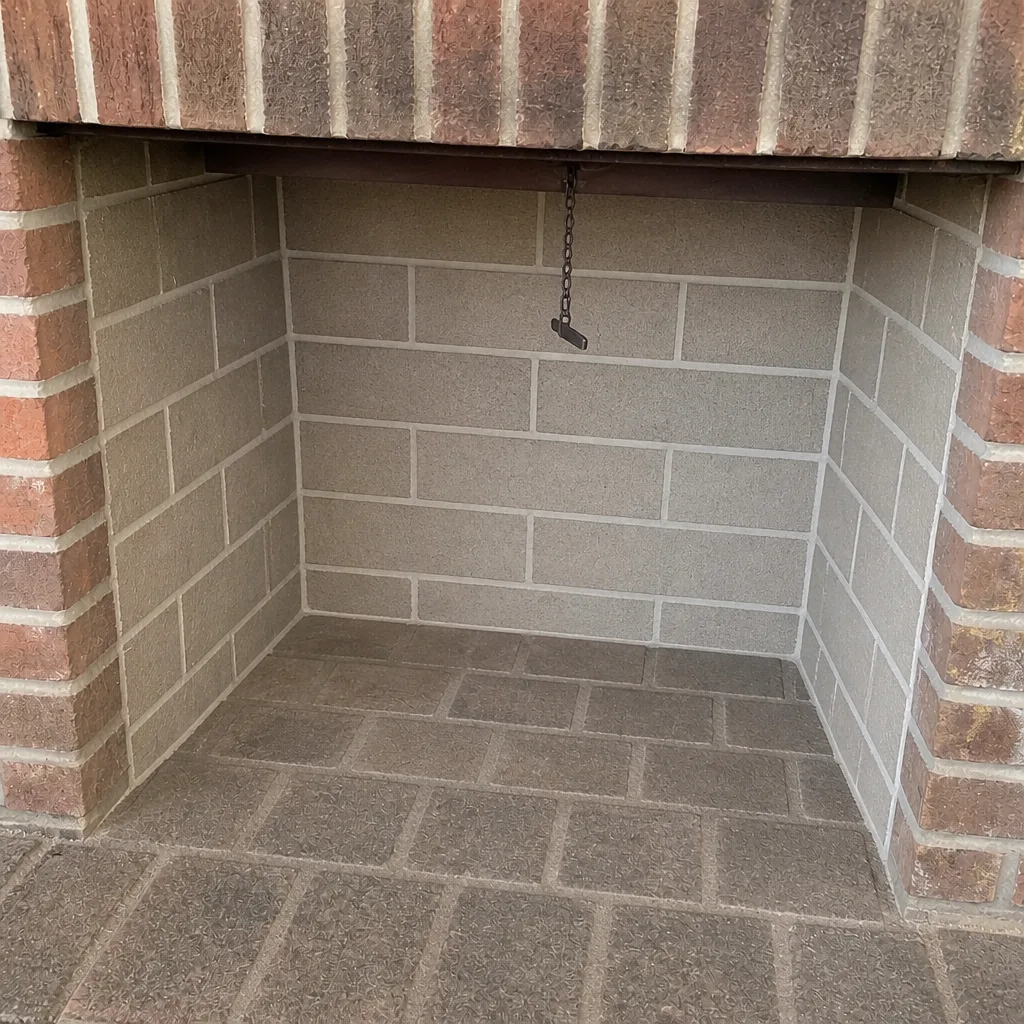
See the difference
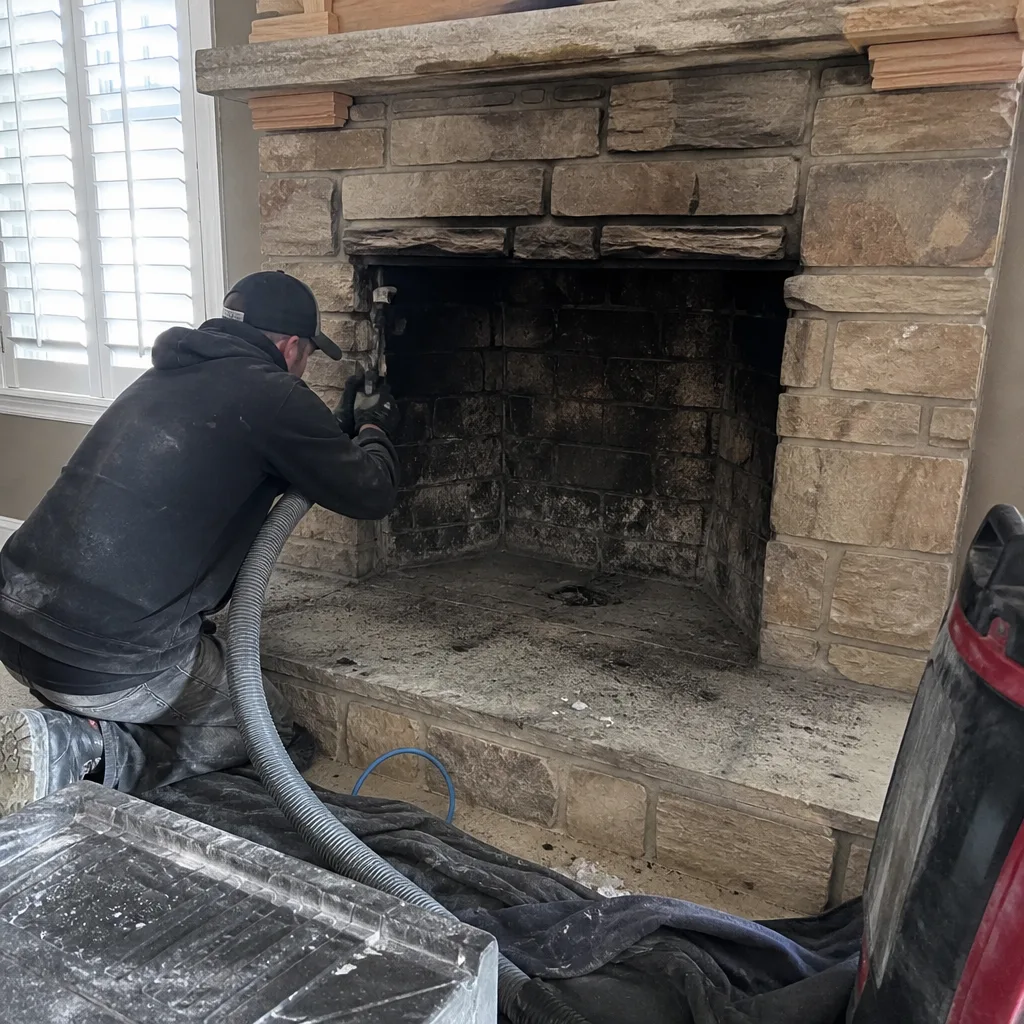 Before
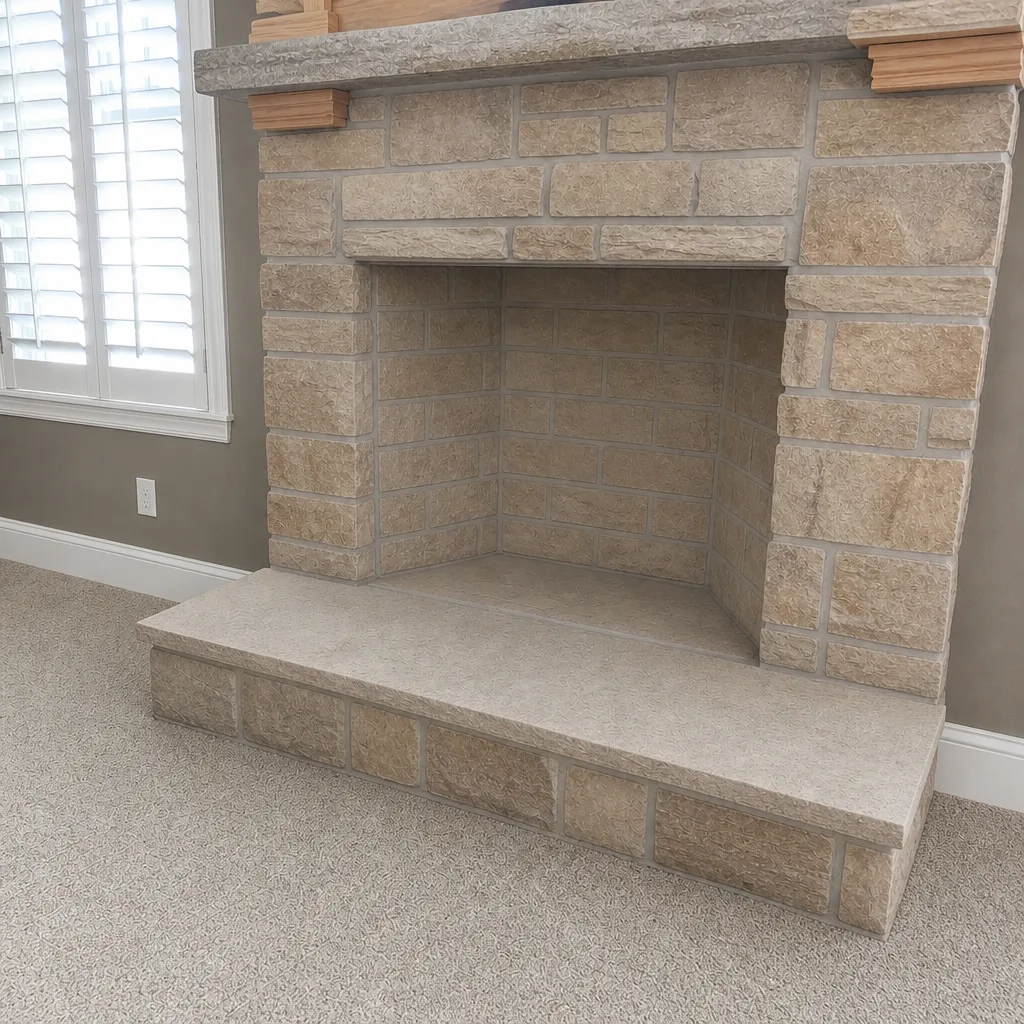 After
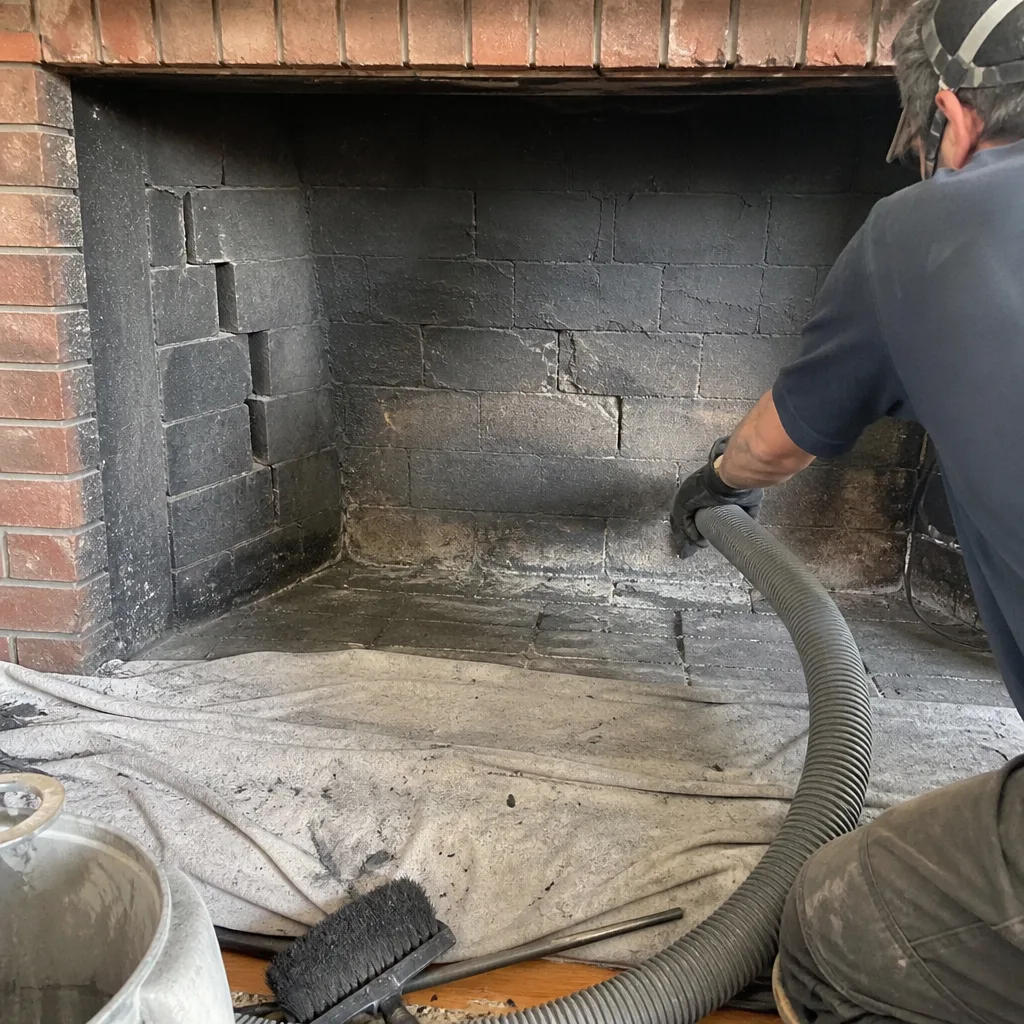 Before
 After
 Before
 After
How Much Does Chimney Cleaning Cost in Granite?
Chimney cleaning in Granite typically costs $175 to $350 for a standard sweep of a wood-burning flue, and most homes land around $225 to $275. Add a Level 2 inspection and you’re usually looking at $275 to $500 total. Those numbers cover a real sweep by a technician who knows what they’re looking at, not a surface pass with a brush and a wave goodbye. Our technicians have up to 15 years of experience with the full chimney system, from the firebox floor to the cap on top, and every estimate is free before any work begins.
Chimney Cleaning Cost Breakdown (2026)
Here’s what the line items look like across the Granite market this year. These are typical ranges for residential work, not quotes. The written estimate you get on site sets the final price.
| Service | Typical Range (2026) |
|---|---|
| Standard chimney sweep (wood-burning flue) | $175 – $350 |
| Gas fireplace flue cleaning | $125 – $225 |
| Level 1 inspection (visual, with a sweep) | $75 – $150 |
| Standalone Level 2 inspection (camera) | $200 – $400 |
| Heavy creosote removal (glazed or Stage 3) | $350 – $700 |
| Animal nest or debris removal | $150 – $400 |
| Multi-flue or two-story access | $100 – $250 added |
| Chimney cap installation (with cleaning) | $250 – $600 |
What pushes a Granite job toward the top of those ranges? Creosote condition is the biggest one. A chimney that’s been burned hot and often builds a thin, flaky layer that sweeps out fast. One that’s been run cool and damp, or sat unused for a few seasons, can build glazed creosote that takes far longer to remove safely. Access is the second. A single-story ranch with a straight flue is quick work. A two-story with offsets, a tight roof pitch, or a flue the technician has to reach from a ladder instead of the roof changes the labor. So does what’s sitting in the flue when we open it up: leaves, twigs, and the occasional bird nest all add time.
What Affects Chimney Cleaning Pricing in Granite
- Flue condition and creosote stage. Light soot sweeps out in under an hour. Glazed creosote is dense and takes specialized tools and more time, which is why it’s the single biggest driver of a higher bill in Granite.
- How the chimney is built. A straight, lined flue is simple. An older masonry chimney with offset tiles, a clay liner in rough shape, or a flue that’s been relined before needs a closer look and a gentler hand.
- Roof access and height. Homes on Granite’s hillsides often sit on sloped lots, and a steep pitch or a tall stack means more setup time before a brush ever goes down the flue.
- Burning habits and fuel. Wood that wasn’t seasoned, or a fire that’s choked down to smolder, leaves more creosote behind. Regular users who burn dry hardwood tend to need less labor per sweep.
- Gas vs. wood. A gas fireplace has no creosote, but it does collect dust, rust flakes, and debris from the venting. That’s a lighter job with a lower price, and it still needs doing.
- Whether you need an inspection. A sweep and a Level 2 inspection are two different services. Bundling them is usually cheaper than booking them separately, and it’s worth knowing the condition of the liner before winter.
Why Granite Chimneys Need Attention Before Winter
Granite sits in the foothills south of Salt Lake, and the way homes here heat and the way the weather swings both play into what a chimney collects. Winter mornings run cold enough that fireplaces get real use, sometimes daily from November into March. That’s a lot of burn cycles, and burn cycles are what build creosote. Spring and summer bring wide temperature swings between warm afternoons and cool nights, and that constant expansion and contraction works on masonry, crowns, and mortar joints. A small crack in a crown that nobody notices in July is a water path by the time the first snow hits. Water intrusion is the most common source of long-term chimney damage we see, and it rarely announces itself.
Then there’s the snow load. Roofs here can hold weight for weeks after a storm, and a chimney that’s already lost a cap or has a spalling crown takes the stress from above while ice works into the joints from below. That’s why the recommendation isn’t only to sweep before the burning season. It’s to look at the whole system while the technician is already up there. If you’ve never had the flue looked at, or it’s been a few seasons, booking a chimney sweep in Taylorsville and the surrounding area is the practical first step: a sweep plus an inspection tells you exactly what’s there, with no guesswork and no upsell pressure.
What does that mean for price? A homeowner in Granite who sweeps annually and keeps a cap on the flue tends to stay in the standard range year after year. A homeowner who lets it go three or four seasons often ends up paying for glazed creosote removal, and sometimes for masonry repair that a $250 cap would have prevented.
How to Save on Chimney Cleaning in Granite
You don’t need to cut corners on a chimney. You need to avoid paying for problems that didn’t have to happen. A few practical moves keep the cost in the standard range:
- Book the sweep and inspection together. Combining a cleaning with a Level 2 inspection typically costs less than booking each on its own, and you get a full picture of the liner, the joints, and the crown in one visit.
- Burn dry, seasoned wood. The single best thing you can do for creosote buildup. Wet wood smolders and deposits far more than dry hardwood, and that shows up as heavier removal labor at the next sweep.
- Get a cap on the flue. A chimney cap is the most direct defense against rain, snow, and animals getting into the flue. It’s a modest add-on that prevents some of the costliest repairs.
- Schedule before the rush. Fall is when everyone remembers their chimney. Booking ahead of the burning season means a quicker appointment and less chance of finding a problem when you’re already cold and frustrated.
- Ask for the estimate in writing. Get the free written estimate before the work starts. It should spell out what’s being done and what it costs. That’s the price, and it takes the guesswork out of the bill.
- Use professional-grade materials when repairs come up. A hardware-store patch on a crown or a liner joint is money spent twice. We work with DuraFlex, HeatShield, Gelco, Olympia Chimney, Famco, and Copperfield because those are the lines professional chimney work is built around.
- Don’t skip the repair-capable shops. A cleaning-only crew hands you off when they find a crack. A full-system specialist can assess, quote, and handle the fix without a second contractor. When something’s wrong with your liner, our chimney repair service covers it in the same visit.
Call (833) 482-6761 for a free estimate. The number is the first step to knowing what your Granite chimney actually needs.
When a Cleaning Turns Into a Repair
Most sweeps stay sweeps. But a chimney is a system, and sometimes the technician up on the roof finds something the homeowner couldn’t have seen. Here’s what comes up in Granite and what the next step typically costs.
Liner damage
A cracked or spalling clay liner is a safety issue, not a cosmetic one. The flue is supposed to contain heat and gases. When it doesn’t, the house is exposed. A full reline runs well into the thousands. HeatShield resurfacing, on the other hand, can restore a compromised liner without the cost of full replacement, which is often the more economical path when the damage is caught early. We handle HeatShield resurfacing and DuraFlex flexible relining, so there are genuine options short of a full tear-out.
Crown and cap damage
A cracked crown lets water straight into the masonry. A missing or rusted cap lets it into the flue. Both are common and both are fixed by our chimney cap and crown service. Catching these early is the difference between a modest repair and a masonry rebuild.
Firebox and damper problems
A warped damper, cracked firebox brick, or failed firebox panel usually shows up during a sweep when the firebox is cleaned and inspected. These fall under fireplace repair, and addressing them before the burning season is far cheaper than dealing with a damaged firebox after.
What Does a Chimney Sweep Actually Do?
A professional sweep is a bottom-up inspection as much as a top-down cleaning. We start at the firebox, check the damper and the firebox panels, then work up through the flue with the right rotary tools and brushes for the liner type. Creosote gets scraped and collected, the smoke shelf and smoke chamber get cleaned out, and the whole thing gets checked for gaps, cracks, and blockages along the way. Everything comes down into a drop cloth and a vacuum, so the living room stays clean.
Then the technician goes up top. The cap, the crown, and the exposed masonry all get looked at. This is where most of the discoveries happen: a cap that’s come loose, a crown that’s cracked, a flue that’s lost a few tiles. You’ll get an honest summary of what was found and what it means. Some of it is “keep an eye on it.” Some of it is “this should be handled before winter.” We tell you which is which, and you decide. Our chimney inspection is also available as a standalone service, so you can get a code-compliant assessment even if the flue doesn’t need cleaning.
Repair or Replace: The Honest Answer
When a liner or crown is in bad shape, the question always comes down to repair vs. replace. It’s usually cheaper to repair if the damage is caught early and is limited to one area. A crown that’s cracked but still structurally sound gets resurfaced. A liner with a localized problem is a HeatShield candidate. It only makes sense to go full replacement when the damage is widespread or the existing liner is failing across the whole length. A chimney that’s properly swept and inspected annually rarely gets to that point. The inspection is the tool that lets you make the cheaper decision. On a chimney, small problems are cheap and big problems are not.
Why Granite Homeowners Call Us
We’re built as a full-system chimney specialist, not a cleaning-only operation. That means sweeping, fireplace repair, chimney repair, inspection, and cap and crown work come from one place, and you don’t get handed off mid-job if the sweep turns up a crack. The materials we use are the professional-grade brands certified chimney institutes work with, including DuraFlex, HeatShield, Gelco, Olympia Chimney, Famco, and Copperfield. Those aren’t the products you find on a hardware-store shelf. They’re the ones a repair-capable shop should be using.
Our technicians have up to 15 years of experience with the whole system, from the firebox floor to the cap on top. They’ll explain what they found and why it matters before any work starts. No pressure, no surprise add-ons, just a written estimate and a clear picture of your chimney. We answer 24/7. Fast dispatch from 7am to 7pm, Sunday through Friday, closed Saturday.
Call (833) 482-6761 for a free estimate on a chimney sweep in Taylorsville and the surrounding communities. A chimney sweep in Granite is a small spend compared to what a neglected flue can cost.
FAQs – Chimney Cleaning Cost
How much does a chimney cleaning cost in Granite?
A standard chimney cleaning in Granite runs $175 to $350, with most homes landing around $225 to $275. Gas fireplace flue cleanings are lighter and run $125 to $225. Call (833) 482-6761 for an exact quote. Estimates are free.
How often should I get my chimney cleaned?
Most homes should get a sweep once a year if the fireplace is used regularly. If you burn daily through the winter, that annual sweep is the minimum. A chimney that’s visibly sooty, smells strong when it’s damp out, or hasn’t been looked at in a few seasons is due. Call (833) 482-6761 to schedule a sweep and inspection.
Is chimney cleaning really necessary?
Yes. Creosote is combustible. A flue that builds up enough of it can ignite, and a chimney fire is dangerous, not hypothetical. A blocked flue also sends carbon monoxide back into the house. A $175 to $350 sweep is cheap insurance against those outcomes. Call (833) 482-6761 for a free estimate.
What’s the difference between a chimney sweep and an inspection?
A sweep cleans the flue. An inspection assesses its condition. They’re different services and often done together. A standalone Level 2 inspection runs $200 to $400 and uses a camera to look at the full liner. Bundling a sweep and inspection is usually cheaper than booking each separately. Call (833) 482-6761 to book both.
Can you get to my chimney the same day?
Often, yes. We dispatch Sunday through Friday, 7am to 7pm, and same-day appointments are frequently available. We answer 24/7. A call outside dispatch hours is booked into the next opening, Sunday through Friday, 7am to 7pm. Call (833) 482-6761 and we’ll find the earliest slot.
Will cleaning my chimney make a mess in my house?
No. We seal off the firebox and work over drop cloths with a vacuum running the whole time. The soot and creosote come down into the containment, not into your living room. The house is left as clean as we found it.
Does a gas fireplace need cleaning?
Yes, though it’s a lighter job than wood. A gas flue collects dust, rust flakes, and debris from the venting, and a gas fireplace should be checked for proper venting and any signs of trouble. Gas flue cleaning in Granite typically runs $125 to $225. Call (833) 482-6761 for a free estimate.
Pricing reflects the Granite market as of 2026. Chimney Sweep Taylorsville offers free estimates – call (833) 482-6761.
What Our Customers Say
"Swept it, capped it, and installed a proper damper. The downdraft smell in the summer that we'd lived with for years is gone."
- Daniel Thompson"Fireplace had never drawn properly since we moved in. He found the damper was only opening halfway due to a bent linkage and fixed it in ten minutes."
- Brian Miller"Good work. The written inspection report took about a week to arrive after I asked for it, which was slower than I expected."
- Chris Mercer