
Last updated November 24, 2026
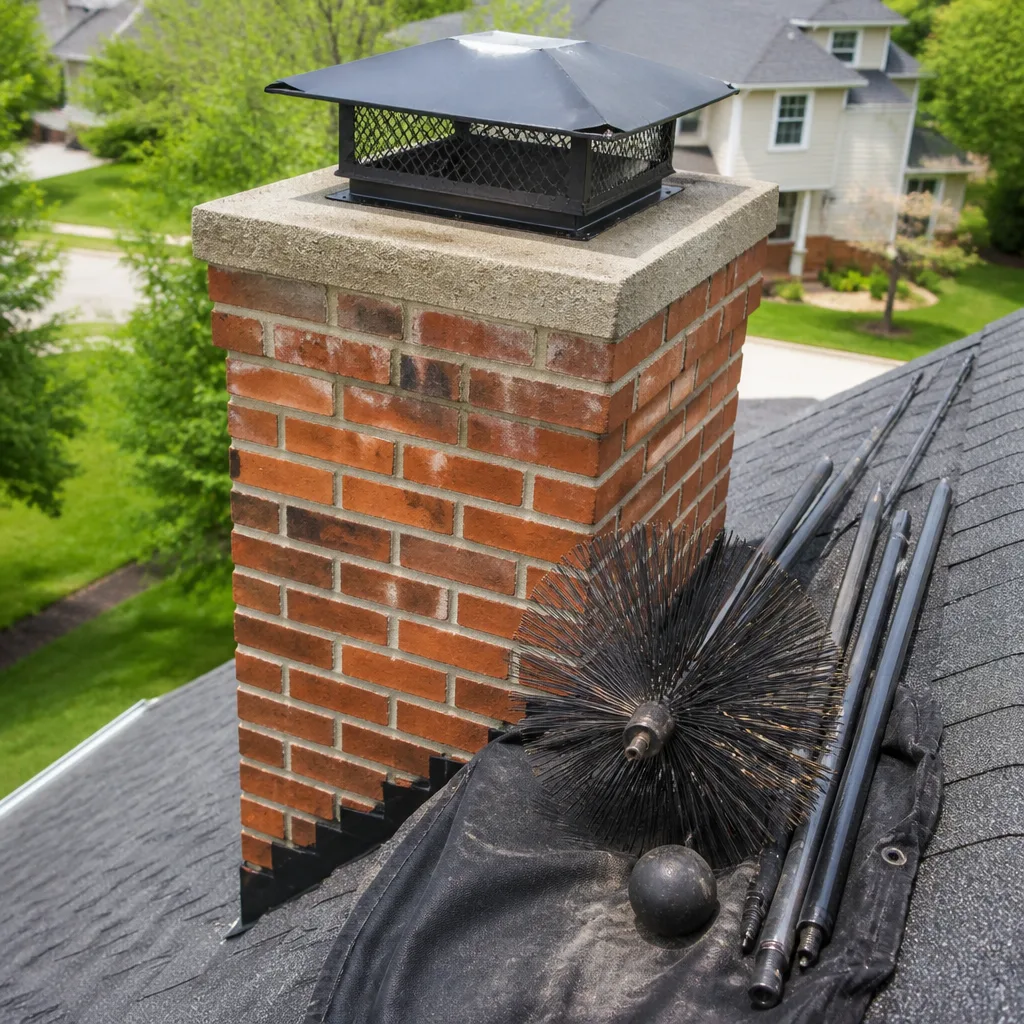 Sweep & inspection
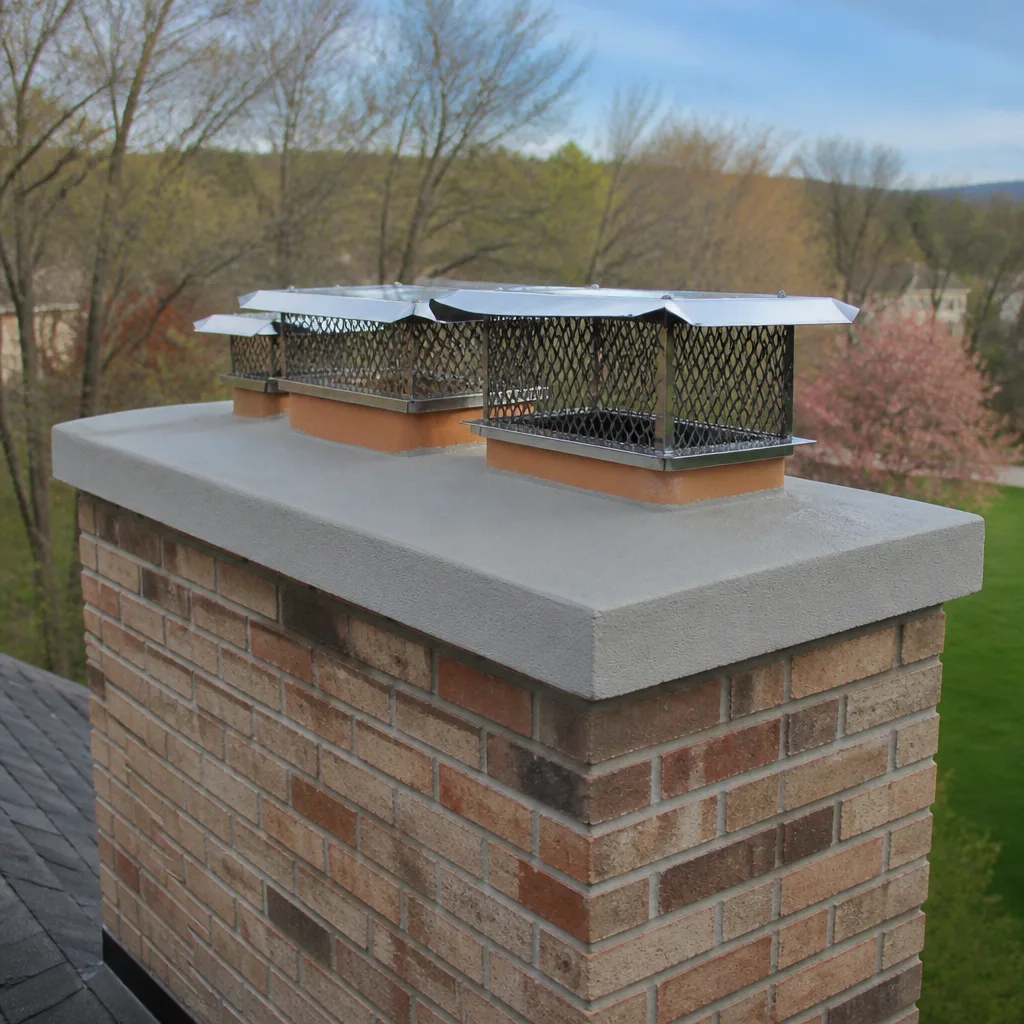 Caps & crowns
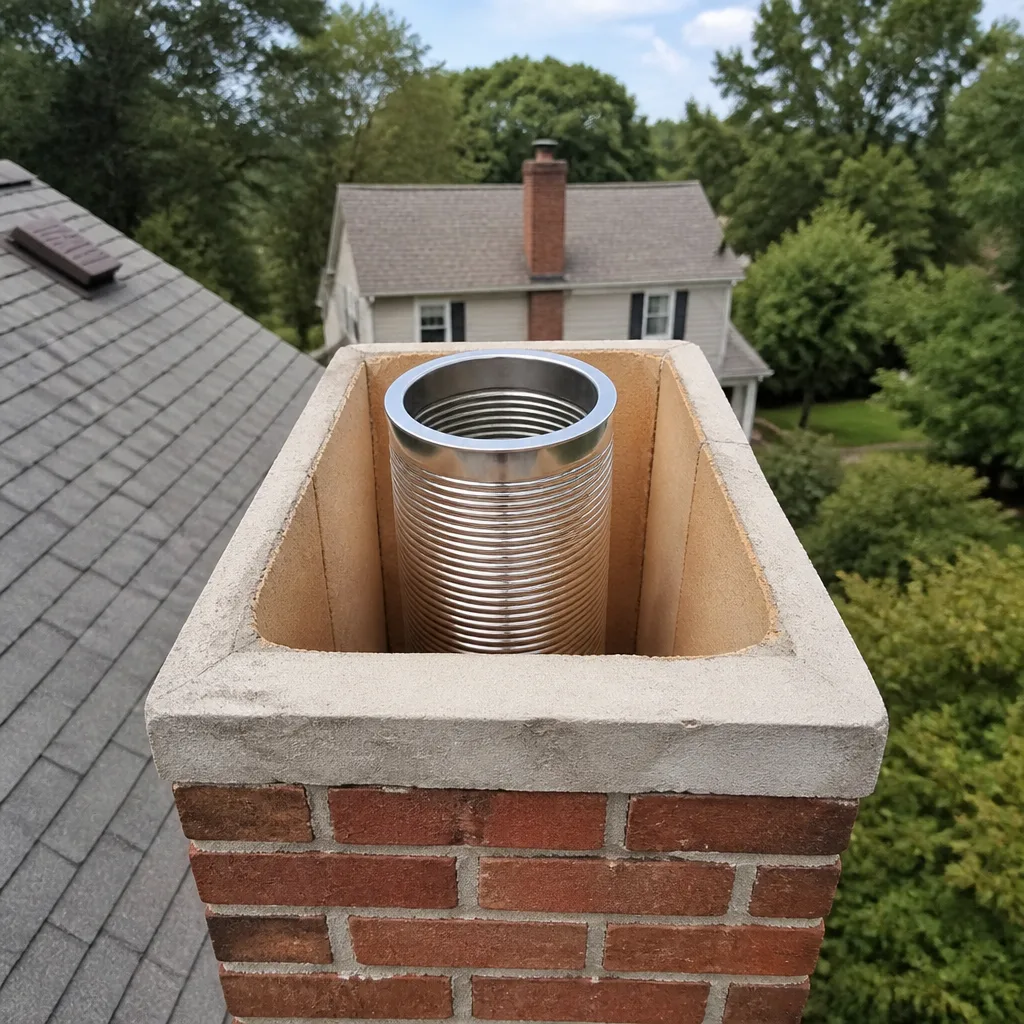 Flue relining
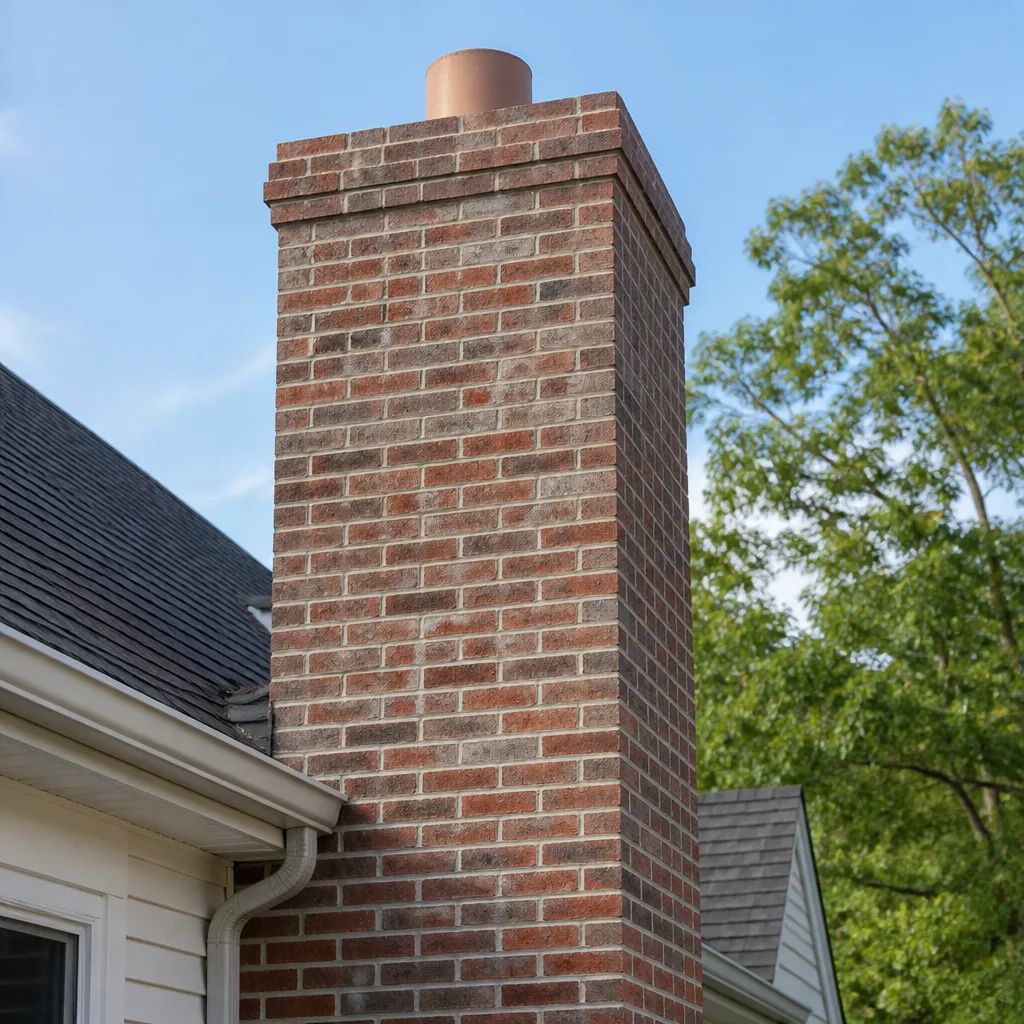 Masonry repair
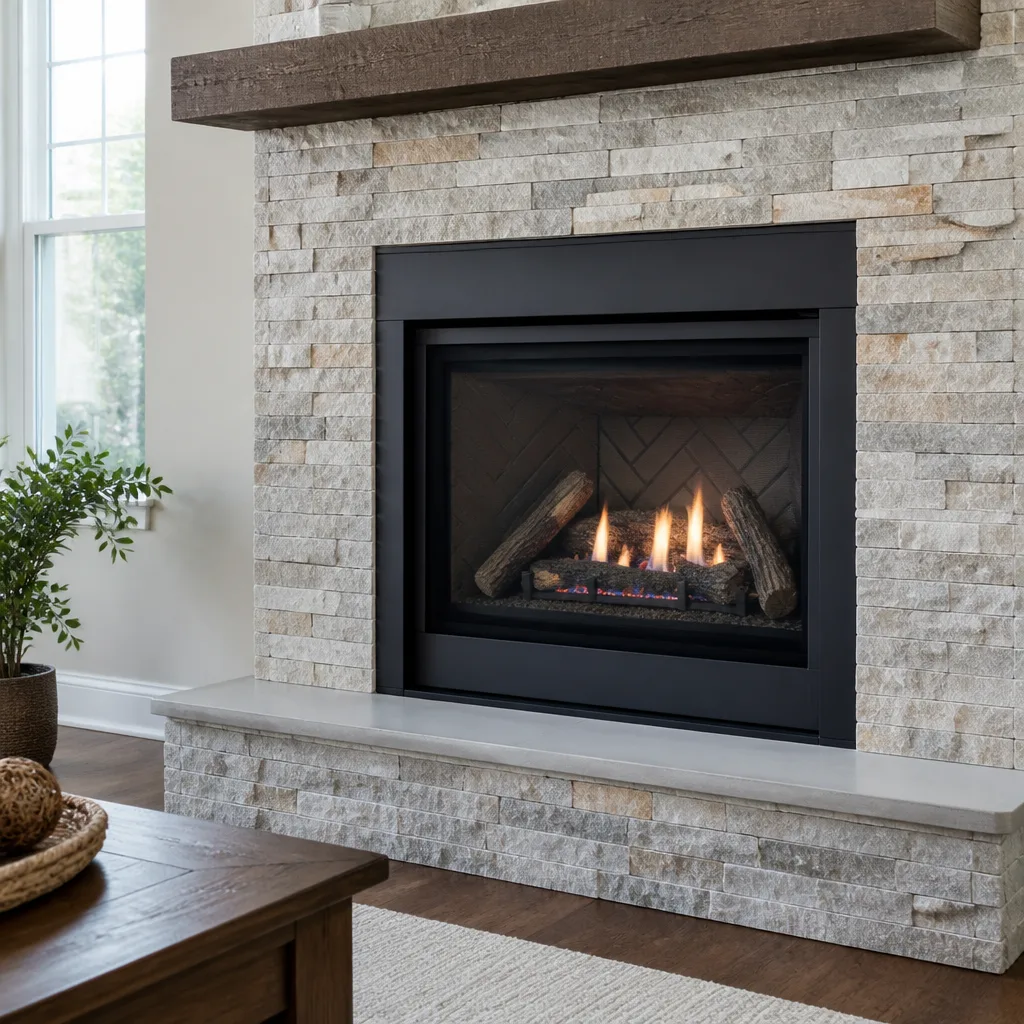 Gas fireplace service
Level 1 sweep and inspection to the NFPA 211 annual standard - flue, crown, cap, and flashing checked and photographed
Chimney sweep logs do not sweep chimneys. They loosen some creosote - which then falls where a brush and vacuum still have to collect it.
Chimney Cleaning Permits, Codes & Inspections in Taylorsville, UT: What You Need to Know
A chimney sweep doesn’t trigger a permit. A liner relining job does. A firebox rebuild does. And if those repairs were done without one, your home insurer and your future buyer’s inspector will find out, usually at the worst possible moment. That’s the part of chimney ownership almost nobody explains to Taylorsville homeowners: the cleaning visit is the easy, permit-free part. What that visit uncovers is where the code, the paperwork and the liability all begin. Below, we walk through exactly which chimney services need a Salt Lake County building permit, how the residential code applies to your chimney, what a Level II inspection is actually for, and how to confirm a contractor pulled the right permits before the walls close up.
Quick Answer
Routine chimney cleaning in Taylorsville, UT does not require a building permit. Structural or system repairs do, including liner replacement or relining, firebox rebuilding, masonry repair, and new cap or crown work on some jobs, and those repairs are governed by the residential building code the State of Utah adopts (commonly referenced by its IRC chapter sections R1001 through R1005). A Level II inspection is the assessment that tells you whether you’re looking at a cleaning-only visit or a permitted repair, and it’s the document your insurer or a buyer’s inspector will ask for.
Styles & brands we work with
- Sweep & inspection
- Caps & crowns
- Flue relining
- Masonry repair
- Gas fireplace service
Table of Contents
- Which chimney services need a permit in Taylorsville, and which don’t
- How IRC R1001 through R1005 applies to your chimney
- What a Level II inspection is and when it’s required
- The insurance angle: unpermitted repairs and your claim
- How to verify permits before work starts
- Taylorsville winters, burning season and inspection timing
- What inspectors look for when a permit closes
Which chimney services need a permit in Taylorsville, and which don’t
In Taylorsville and across Salt Lake County, the cleanest way to think about it is whether the work changes the chimney system or just services it. Sweeping removes creosote and soot; it doesn’t alter any component, so no permit applies. The moment a job replaces, rebuilds or structurally alters a component, you’re in permit territory. We keep that line firm when we quote, because a homeowner deserves to know before signing which parts of a job will generate a permit and an inspection.
No permit needed:
- Routine chimney sweeping and creosote removal
- Visual inspection and camera inspection
- Removing a bird nest, debris or a stuck damper handle
- Minor maintenance that doesn’t change the flue or firebox structure
Permit typically required:
- Liner replacement or relining, including a flexible stainless system (DuraFlex) or a cast-in-place resurfacing method (HeatShield)
- Firebox rebuilding or firebox floor repair
- Masonry repair to the chimney chase or crown structure
- New chimney cap and crown installation where the crown or chase is altered
- Any change to the flue’s size, path or termination height
The gray areas are what trip people up. A cap swap on an existing crown with no structural change is usually treated as accessory work. A crown rebuild that alters the top of the chase, by contrast, is structural. When a job sits on the line, ask the contractor to confirm with the Salt Lake County building department in writing before work starts. We do this as a matter of course, and it costs nothing to check. If a contractor waves off that question, that alone tells you something.
How IRC R1001 through R1005 applies to your chimney
Utah adopts the International Residential Code, and chimney and fireplace construction falls under Chapter 10 of that code, specifically the sections numbered R1001 through R1005. Those sections cover masonry fireplaces, factory-built fireplaces, chimney and vent sizing, clearances and termination. You don’t need to memorize them. You do need to understand what they mean in practice, because the inspector who closes out a permit is checking against them.
In plain terms, R1001 handles masonry fireplace construction, R1002 handles factory-built fireplaces, R1003 covers masonry chimneys, R1004 covers factory-built chimneys, and R1005 covers the flue lining requirements for both. The recurring themes across all of them are clearance to combustibles, flue sizing matched to the appliance, the condition and integrity of the flue liner, and the chimney height and termination above the roof. Most of what fails an inspection is one of those four.
Here’s what that means for a Taylorsville homeowner mid-project:
- Clearance to combustibles. The code requires a set distance between the chimney structure and any combustible framing or material. When a liner is relined with a new system, the clearance has to still work.
- Flue sizing. The flue has to be correctly sized to the heating appliance it serves. A previous owner swapping in a new fireplace insert without resizing the flue is a common finding.
- Flue liner integrity. A cracked clay tile liner, or one with gaps, does not meet the requirement for a continuous, sound flue. This is where HeatShield resurfacing and DuraFlex relining come in; the fix has to restore a compliant flue, not just look repaired from the top.
- Termination and height. The chimney has to extend a minimum distance above the roof and above nearby roof surfaces to draft correctly.
An inspector closing a permit will ask to see that each of these has been satisfied by the materials installed. That’s why we install professional-grade liner systems rather than retail substitutes; a HeatShield or DuraFlex installation carries the listing and documentation the inspector is looking for. Pulling a permit and then installing hardware-store materials is a fast way to fail a closure.
What a Level II inspection is and when it’s required
A Level II inspection is a more thorough assessment than a routine sweep visit, and it uses a camera to look at parts of the flue you can’t see from inside the firebox. A standard sweep visit is about removing creosote and confirming the chimney is clear. A Level II inspection is about documenting the actual condition of the flue, the liner, the firebox, the damper and the cap, and producing a report the homeowner can hand to an insurer or a buyer.
A Level II inspection is the industry standard in specific situations:
- Before a real estate transaction closes. If you’re selling a Taylorsville home with a fireplace, expect a buyer’s inspector to request this, and expect it to be requested on the seller’s side too.
- After any chimney fire or smoke event, even one you suspect was small.
- After a change in the appliance, such as a new fireplace insert or a change in fuel type.
- After an earthquake, settling event or notable structural change to the home.
- When you’ve just moved into a home and don’t know the chimney’s history.
We offer inspection as a standalone service for exactly this reason. You can book a code-compliant assessment without committing to a cleaning or a repair. An inspection tells you exactly what’s there, with a camera report you can see yourself, and that report tells you whether you’re facing a routine sweep or a permitted repair before anything gets quoted.
For the routine cleaning itself, we recommend an annual visit. See our chimney sweep page for what a typical sweep visit includes.
The insurance angle: unpermitted repairs and your claim
This is the part most homeowners never hear until it matters. Home insurers handle chimney fire and smoke claims by looking at the cause and the condition of the system at the time of the loss. If a chimney fire happens in a flue that a previous owner had relined without a permit, and that unpermitted work contributed to the fire or smoke damage, the insurer can raise questions about whether the work was ever inspected or approved. That doesn’t mean coverage is automatically denied. It means your claim now has a documented gap in the paper trail, and you may be asked to answer for a job someone else did before you bought the house.
In a real estate transaction, the same gap surfaces again. A buyer’s inspector who sees a newer stainless liner with no permit record will flag it, and that flag can stall a closing or force a retroactive fix. The fix that should have been done once, correctly, becomes a negotiation item.
Three practical points follow from that:
- Every repair you commission should have a permit and a documented inspection closure. Keep the paperwork with your home records next to the closing documents.
- If you’ve just bought a Taylorsville home, ask for the chimney’s permit history. It’s part of the public record and a quick check.
- If a repair was done without a permit by a predecessor, treat it as a finding to resolve. An inspection will tell you whether the installed system is sound; if it is, the fix is documentation rather than rework.
Insurers are practical. What they don’t want is an unexplained gap between the materials on the roof and the records on file. An honest inspection report that says “this liner was installed correctly, here’s the condition, here’s what’s confirmed” is worth more than silence.
How to verify permits before work starts
Permit verification is something you can do, and should do, before a single hand touches your chimney. The sequence below is the one we suggest to every homeowner we speak with.
- Ask for the permit before booking. When you get the written estimate, ask which permits will be pulled and provide the contractor’s permit number when work begins. A contractor who plans to pull a permit knows this before the job starts.
- Confirm the scope on the permit matches the scope on the estimate. A permit for “cap replacement” does not cover a liner reline. If the two don’t match, ask why.
- Check with the Salt Lake County building department. A building department can confirm whether a permit is open and what it covers. You don’t need to be the contractor to verify this.
- Confirm the inspection is scheduled before work is hidden. Insulation coverage, wall closures and final crown work all hide the flue’s condition. The inspection has to happen before the system is closed up, not after.
- Get the inspection closure in writing. When the permit closes, that’s the record your insurer and future buyer will want to see.
What separates a competent contractor from a risky one, in our experience, is willingness to answer these questions before the job is booked rather than after the check is cashed. A contractor who has done this honestly will not be bothered by the question, and one who is bothered has saved you the trouble.
If you’re working through repairs rather than just a cleaning, our chimney repair page covers what the typical repair scope looks like.
Taylorsville winters, burning season and inspection timing
Taylorsville sits in the Salt Lake Valley, and the local climate shapes both how hard your chimney works and when a cleaning or inspection should happen. Valley winters bring cold air that can settle between the Wasatch and Oquirrh mountains, and when a temperature inversion holds, the valley traps cold air and airborne smoke for days. That’s the reason burning season here is a daily habit for many households, and the reason a chimney that gets used from late fall through early spring should be inspected before the season starts, not after the first sign of trouble.
The practical upshot:
- Late summer and early fall are the best time to book. Roofs are clear of snow, weather is dry enough for exterior work, and you have time to resolve any permitted repair before the first cold snap.
- A chimney that ran hard all season accumulates creosote fastest in the coldest months. If you’re burning daily through a Taylorsville winter, an annual sweep is the minimum.
- Snowpack and freeze-thaw cycles stress the crown and cap. Water that seeps into cracks in the crown expands when it freezes and opens the crack further. A crown inspection each fall is cheap; a rebuild isn’t.
- Air quality advisories during inversions can limit wood burning on some days. That’s not a chimney issue, but it does mean you want your system in top shape so you can safely burn when you can.
Most of what we end up fixing in Taylorsville traces back to a chimney that wasn’t inspected for a season or two. Wood fireplaces, gas fireplaces and fireplace inserts all benefit from a look before the burning season starts. For gas systems and firebox-level work, see fireplace repair.
What inspectors look for when a permit closes
When an inspector closes a chimney permit, they’ll look at specific things. Knowing them helps you understand what your contractor’s job actually involves, and what a proper closure looks like on a completed job. The exact checks vary by county and by the scope on the permit, but the shortlist below is what we see come up again and again.
- A continuous, sound flue liner. The inspector will want to see the liner is intact, appropriately sized and continuous from firebox to termination. A patched clay tile liner with visible gaps will not close.
- Proper clearances from combustibles. The distance between the chimney structure and framing has to meet code at every point along the run.
- Flue sizing matched to the appliance. If a new appliance was installed, the flue has to match.
- Termination height above the roof. The chimney top has to sit at the height the code requires.
- Cap and crown properly installed. If the crown or cap was part of the scope, it has to be installed to listing and to code.
- Material listing and documentation. Installed products have to be listed for the application. This is where professional-grade materials and a documented install matter.
We work with HeatShield for liner resurfacing, DuraFlex for flexible relining, and Olympia Chimney and Famco as part of the material lineup we install and document. The point isn’t the brand name. It’s that these materials are supplied with the listing and installation documentation an inspector needs to see, and they’re not the substitute materials sold in retail stores. When we hand a homeowner a permit closure at the end of a repair, the documentation is what makes it hold up if an insurer or a buyer asks for it later.
Common Mistakes to Avoid
- Assuming the sweeper will handle permitting. A cleaning service is not a permit service, and a sweep company that doesn’t handle repairs will not pull a repair permit for you. Confirm the scope before booking.
- Taking a verbal “it’s all permitted” as proof. Ask for the permit number and scope in writing. Verifying with the building department takes minutes and closes the loop.
- Letting a contractor close the walls before the inspection. Once the flue is covered by insulation or the crown seals the top, the inspector can no longer see what matters.
- Treating a Level II inspection as optional before a sale. In a Taylorsville real estate transaction, the buyer’s inspector will request it. Better to have it on your side first.
- Skipping the annual sweep because the fire “looks fine.” Creosote builds in the flue, not on the log. You can’t see the buildup from the firebox.
- Assuming a previous owner’s newer-looking liner was permitted work. A newer stainless liner with no permit record is a known flag for insurers and inspectors. Verify the history before relying on it.
- Booking repairs mid-season when the roof still has snow. Exterior crown and cap work needs clear access. Fall booking leaves room to fix what’s found.
We handle the full chimney system, from the firebox floor to the cap on top, so the part of the job that needs a permit and the part that doesn’t get coordinated instead of handed off. Call Chimney Sweep Taylorsville if you want a walkthrough of which parts of your job will require one.
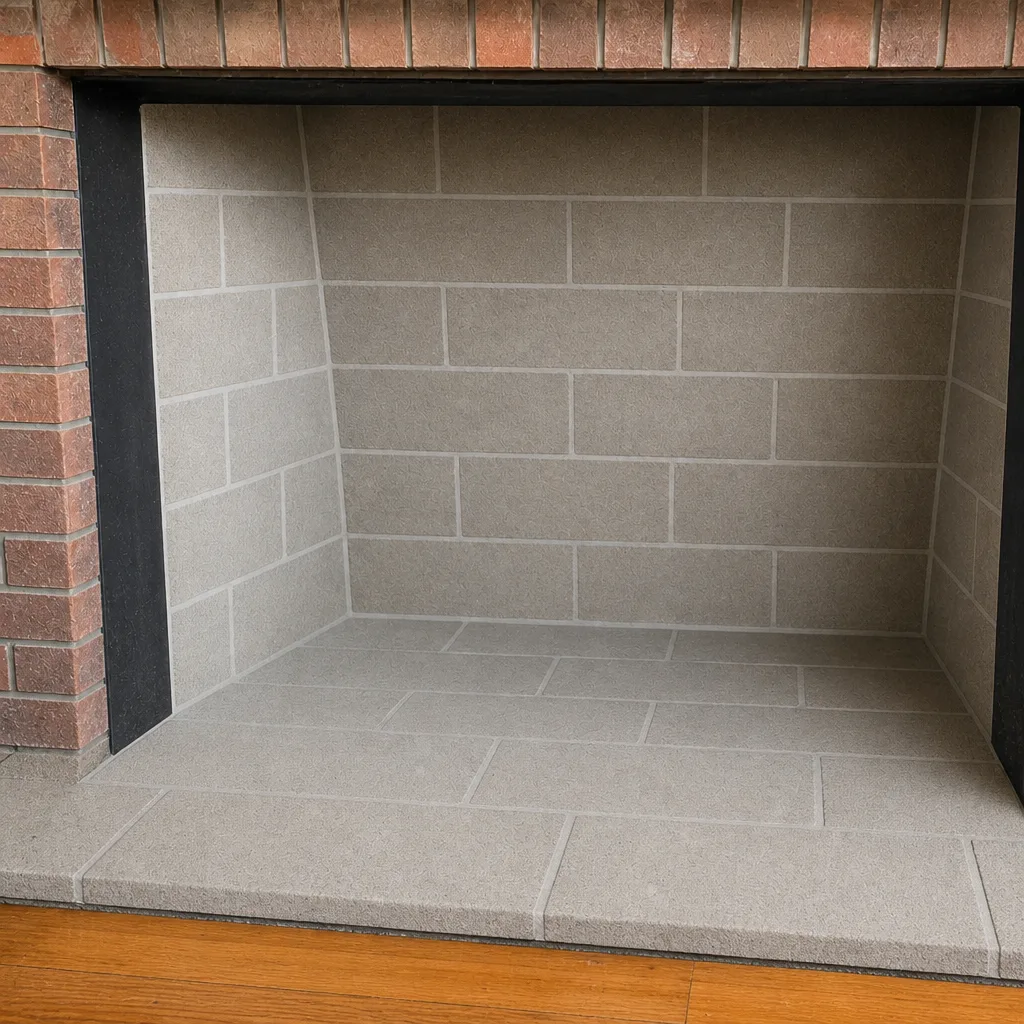
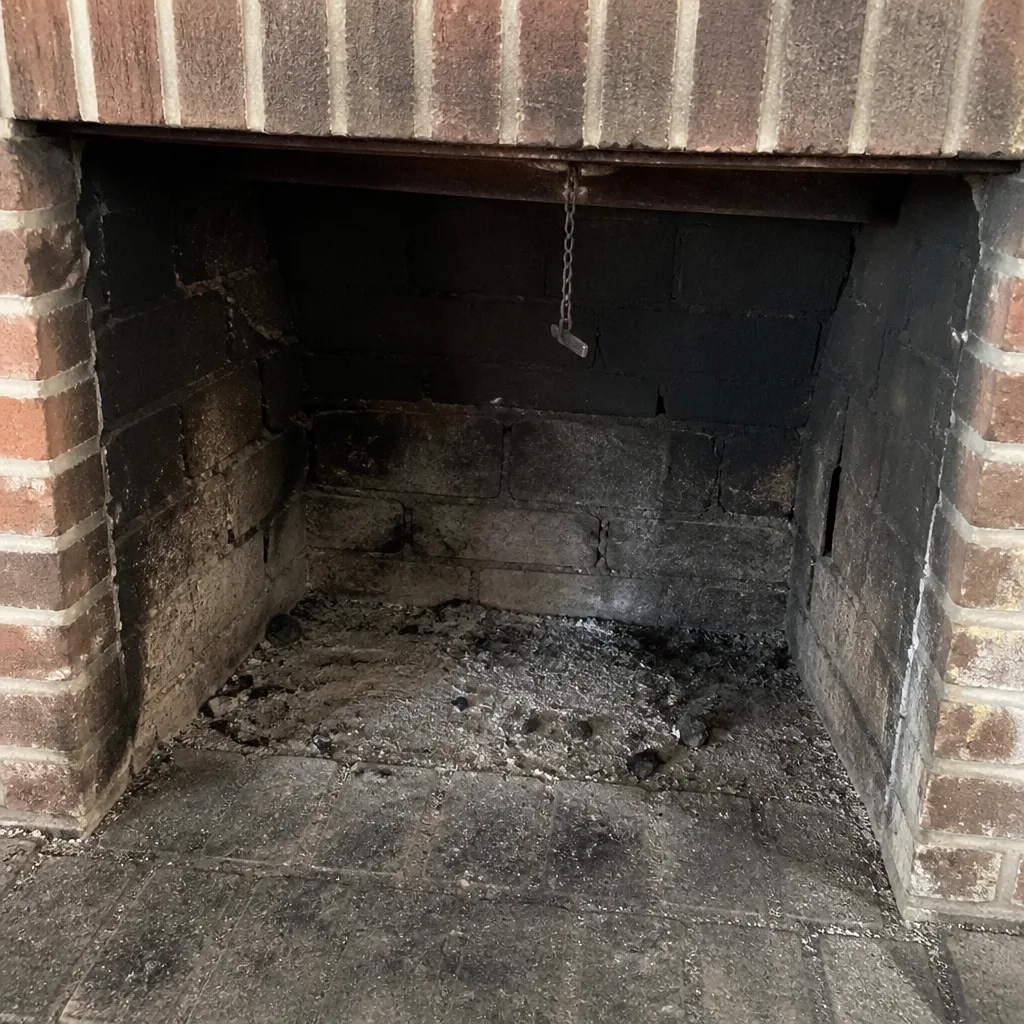
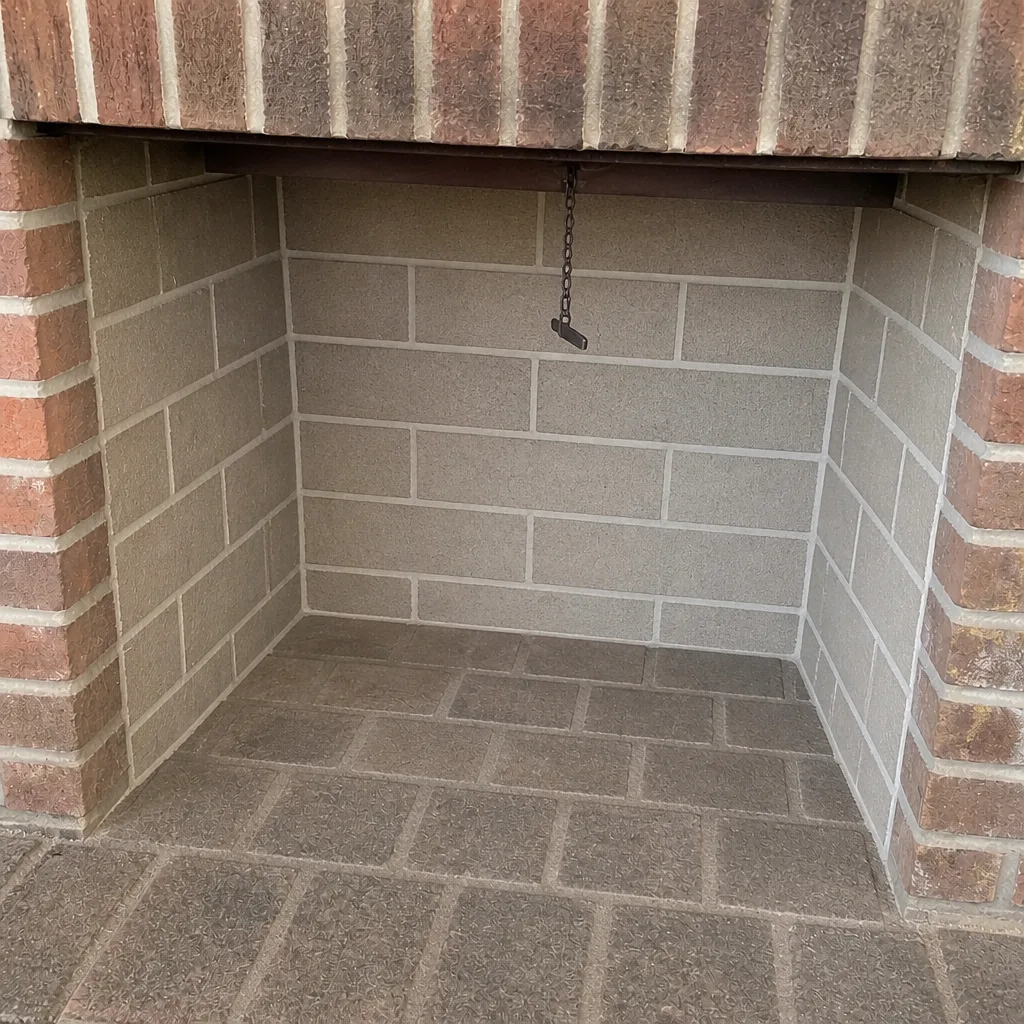
See the difference
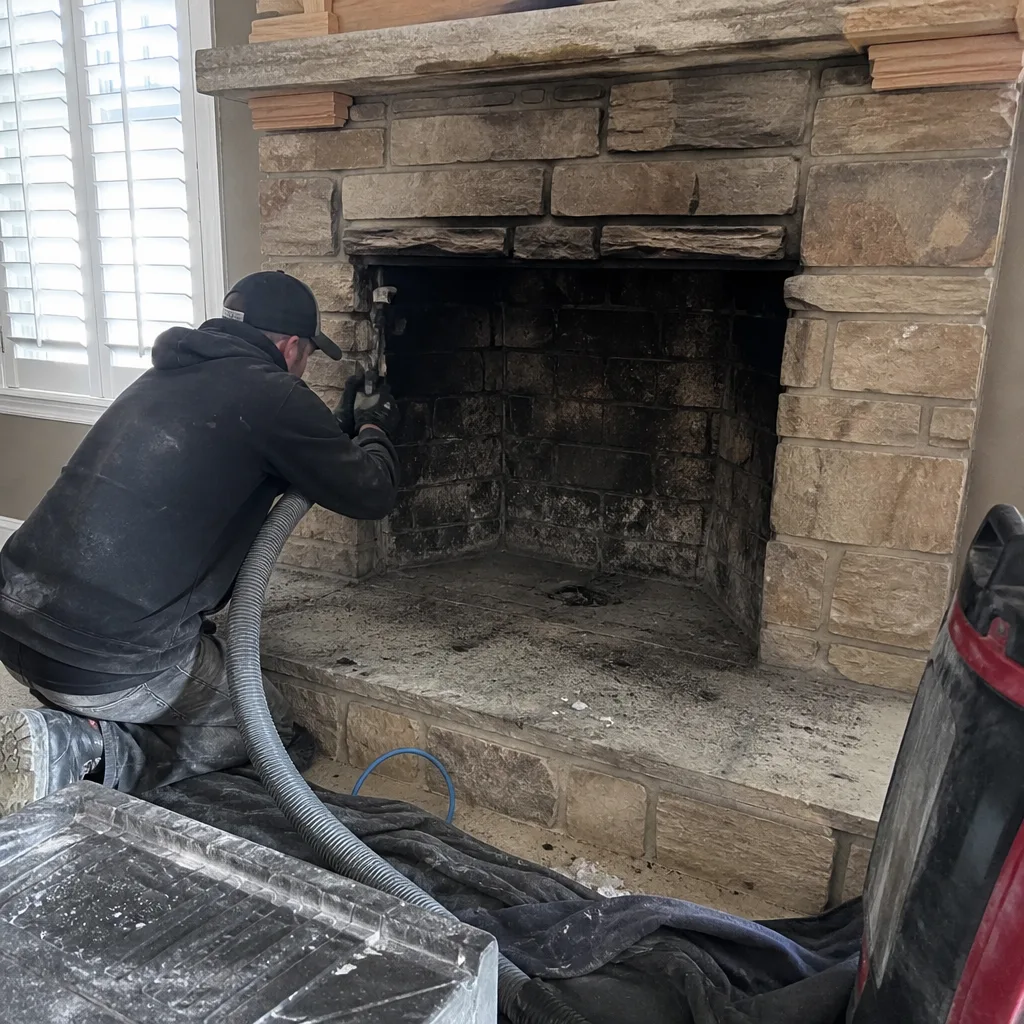 Before
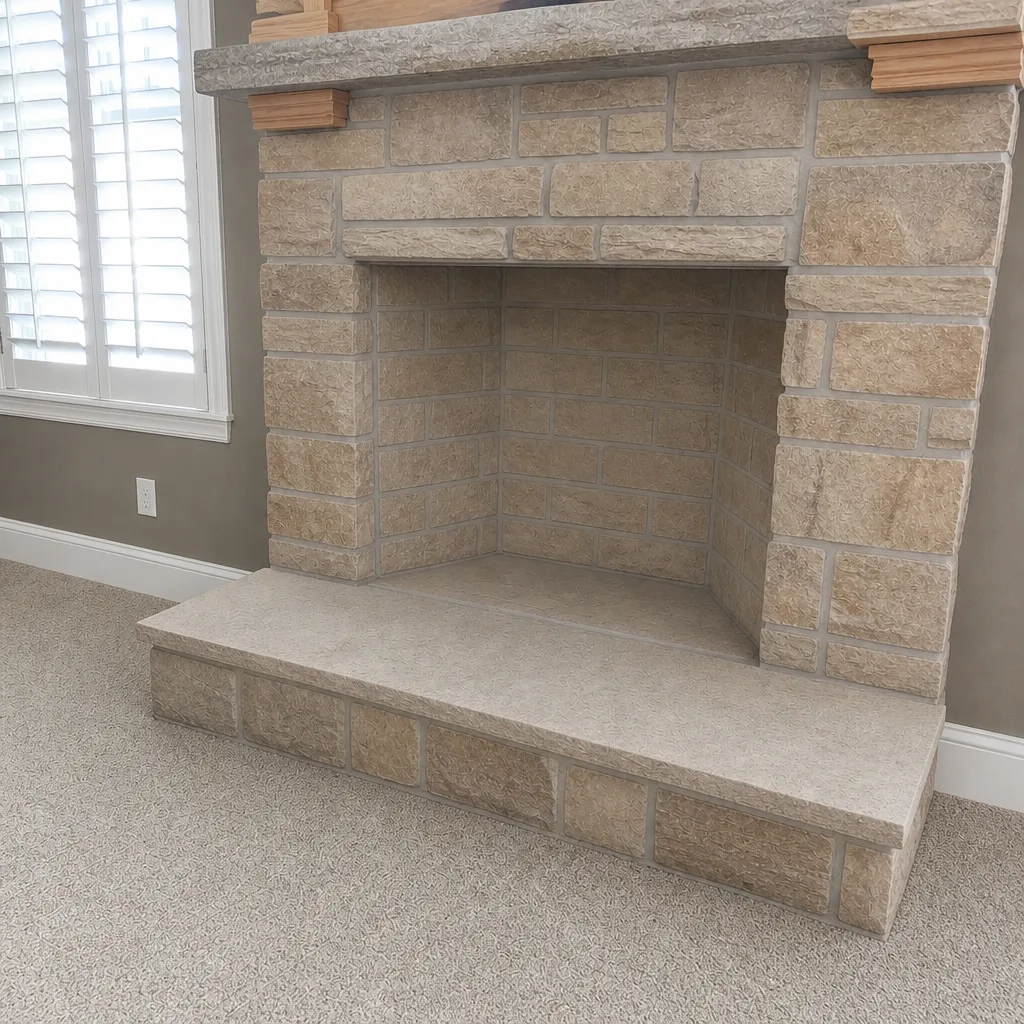 After
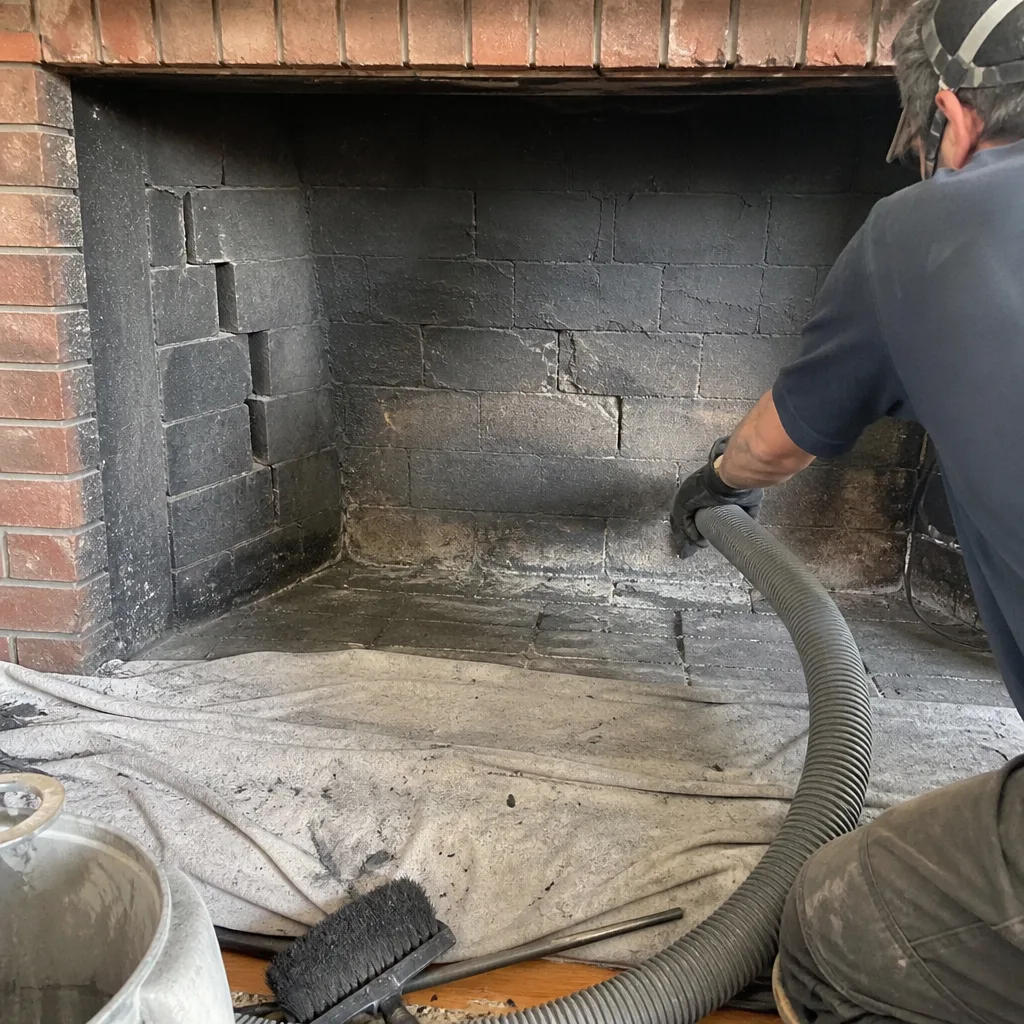 Before
 After
 Before
 After
When to Call a Professional
Some chimney problems need a professional on the roof and some don’t, but a few situations always do. If you smell smoke in a room with no fire going, call. If a fire has had a hard, sudden burn or you suspect a chimney fire last season, call and book a Level II inspection. If you’ve recently bought a Taylorsville home and don’t know the chimney’s history, book both a cleaning and an inspection. If a contractor has quoted a repair without a camera inspection and a photo report in hand, call and get a second read. And if you’re planning a sale in the next year, book the inspection early. Chimney Sweep Taylorsville offers free estimates in Taylorsville; call (833) 482-6761. We answer 24/7. Fast dispatch from 7am to 7pm, Sunday through Friday.
Frequently Asked Questions
No. Routine chimney cleaning in Taylorsville does not require a building permit, because sweeping does not alter the chimney system. Permits are triggered by repairs that replace, rebuild or structurally change a component, such as liner replacement, firebox rebuilding or crown work. If you’re unsure which category a quoted job falls into, ask the contractor directly and verify with the building department. Call (833) 482-6761 for an exact quote; estimates are free.
Liner replacement or relining, firebox rebuilding, masonry repair to the chimney chase, and crown rebuilds that alter the structure all typically require a permit through the Salt Lake County building department. Cap swaps with no structural change usually don’t. The line is whether the work changes the chimney system or just services it. A written permit scope that matches the written estimate is the correct paper trail. Call (833) 482-6761 for an exact quote; estimates are free.
A Level II inspection is a thorough camera-based assessment of the flue, liner, firebox, damper and cap that produces a reportable record of condition. You need one before a real estate transaction closes, after any chimney fire or smoke event, after an appliance change, and when you move into a home with an unknown chimney history. It’s the assessment that tells you whether you’re facing a cleaning or a permitted repair. Call (833) 482-6761 for an exact quote; estimates are free.
They can. Insurers handle chimney fire and smoke claims by looking at the cause and the condition of the system at the time of loss, and if unpermitted work contributed to the damage, it can raise questions about the claim. The safe approach is to keep a permit and inspection closure on file for every repair you commission. That paper trail is what you want in hand if a claim ever has to be made. Call (833) 482-6761 for an exact quote; estimates are free.
Ask for the permit number and the permit scope before work starts, then confirm both with the Salt Lake County building department. The scope on the permit has to match the scope on the estimate, and the inspection has to happen before the flue is closed up. Get the inspection closure in writing when the permit closes. Call (833) 482-6761 for an exact quote; estimates are free.
Once a year for a home that burns daily through a Taylorsville winter, and more often if you’re burning through a cold, sustained season with daily fires. Any creosote buildup has to be removed before it can restrict draft or ignite, and you can’t see buildup from inside the firebox. Book the sweep before the burning season starts, when the roof is clear and any repair can be resolved before the first cold snap. Call (833) 482-6761 for an exact quote; estimates are free.
The Bottom Line
The cleaning part of chimney ownership is simple, and it doesn’t need a permit. The repair part is where the code, the paperwork and the liability live. If a Taylorsville homeowner remembers three things from this guide, they should be: sweeping doesn’t need a permit but any repair that changes the chimney system does; a Level II inspection is the assessment that tells you which of those you’re facing and produces the report your insurer or a future buyer will ask for; and verifying the permit before work starts, in writing, is a five-minute exercise that avoids a lot of future trouble. Everything else is detail. Book the sweep before the season, get the permit closure in writing on any repair, and keep both on file.
If you’ve got a chimney that needs a cleaning, an inspection, a repair or a new cap and crown, we can handle the full system and coordinate the permitting step. Chimney Sweep Taylorsville offers free estimates in Taylorsville; call (833) 482-6761. We answer 24/7. Fast dispatch from 7am to 7pm, Sunday through Friday. Our technicians have up to 15 years of experience, and we install and work with professional-grade materials like HeatShield, DuraFlex, Gelco, Olympia Chimney, Famco and Copperfield, supplied for listed installation rather than retail substitutes.
Written by the team at Chimney Sweep Taylorsville.