
Last updated November 24, 2026
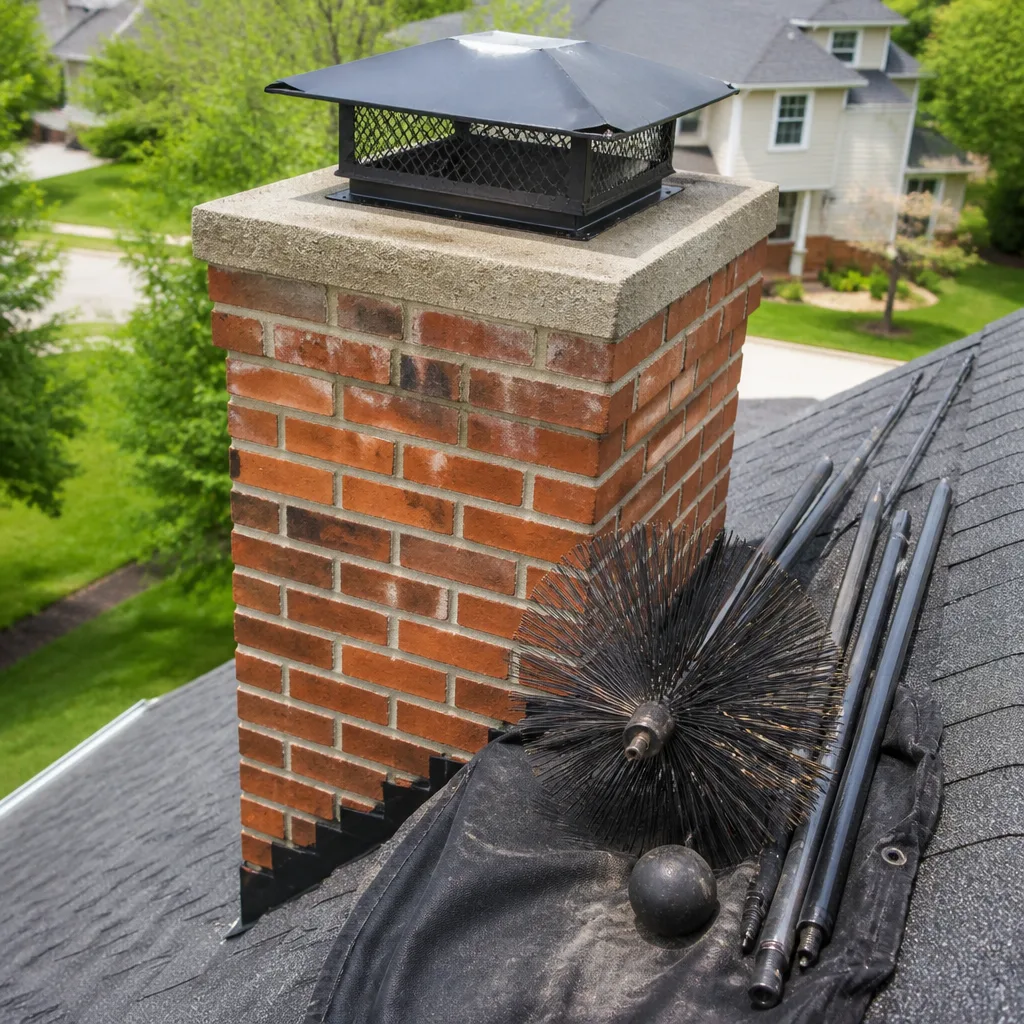 Sweep & inspection
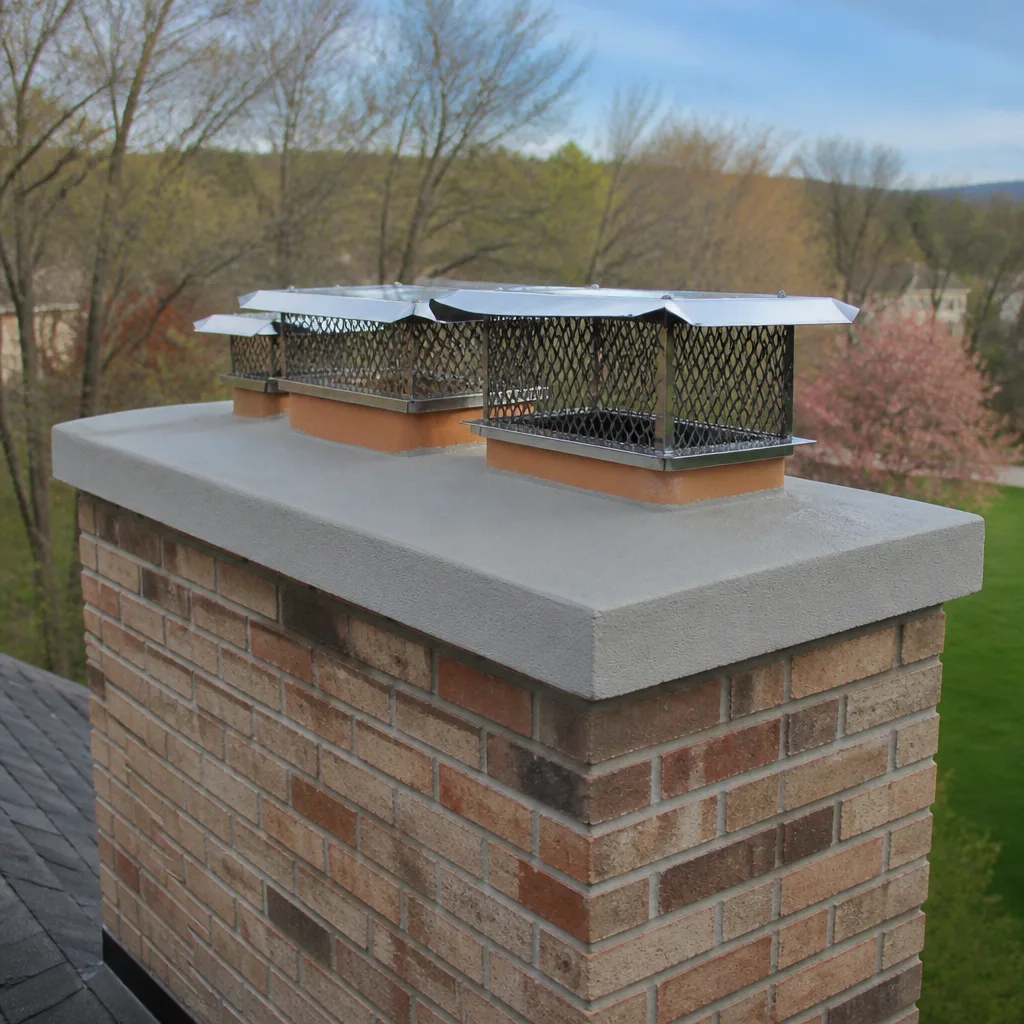 Caps & crowns
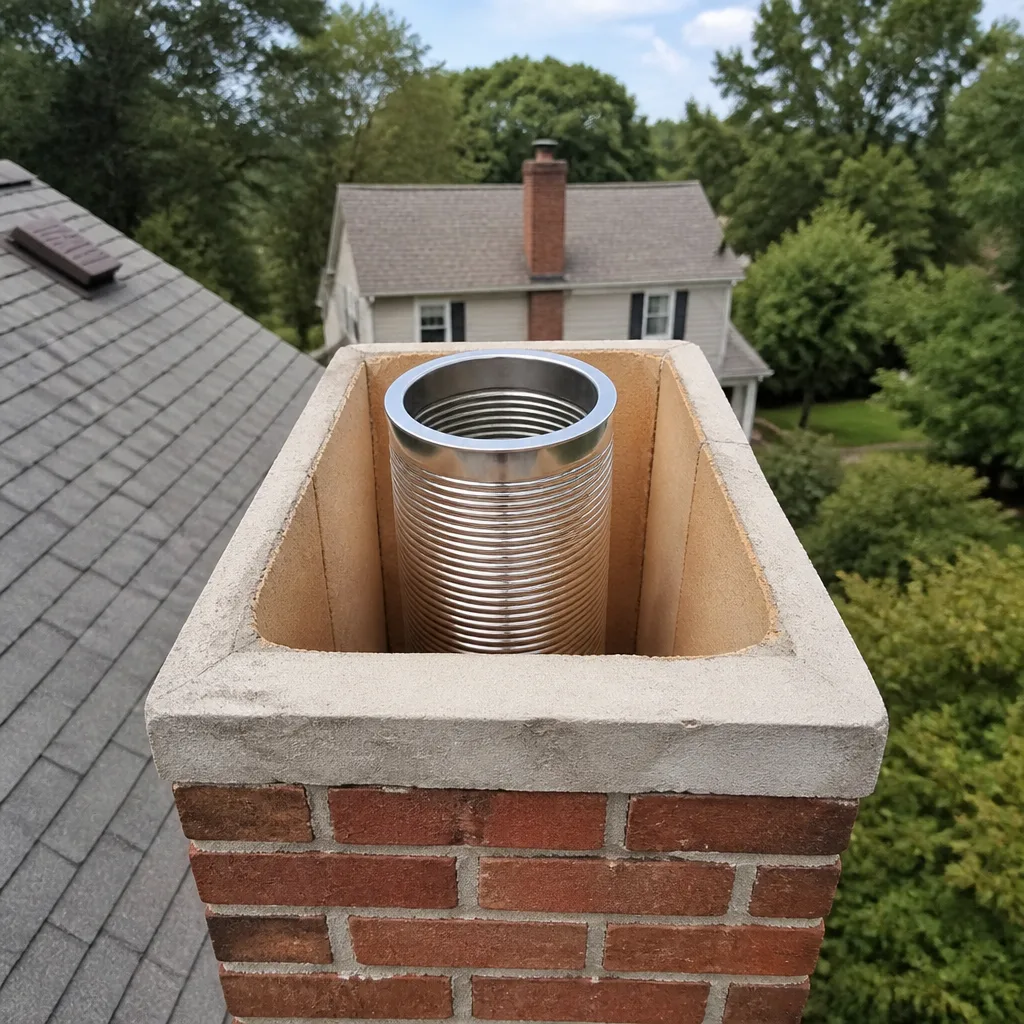 Flue relining
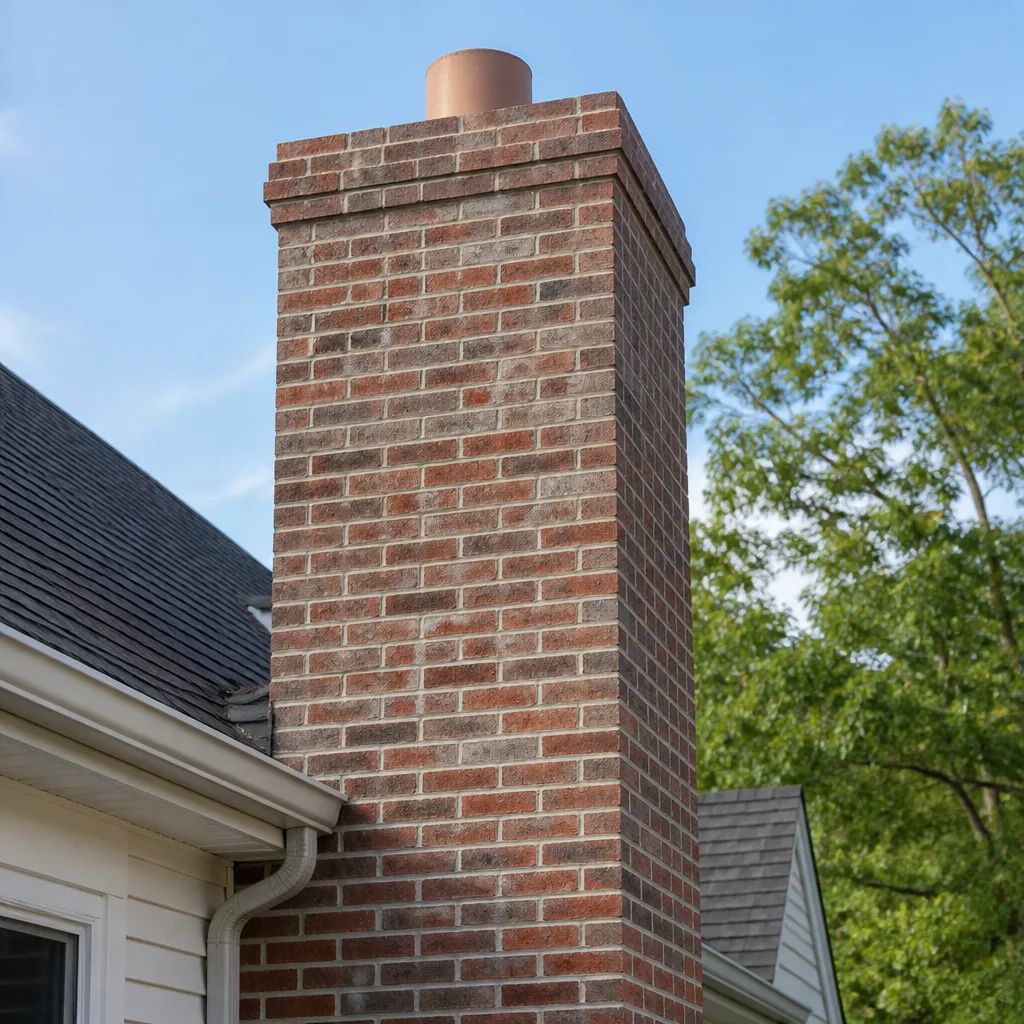 Masonry repair
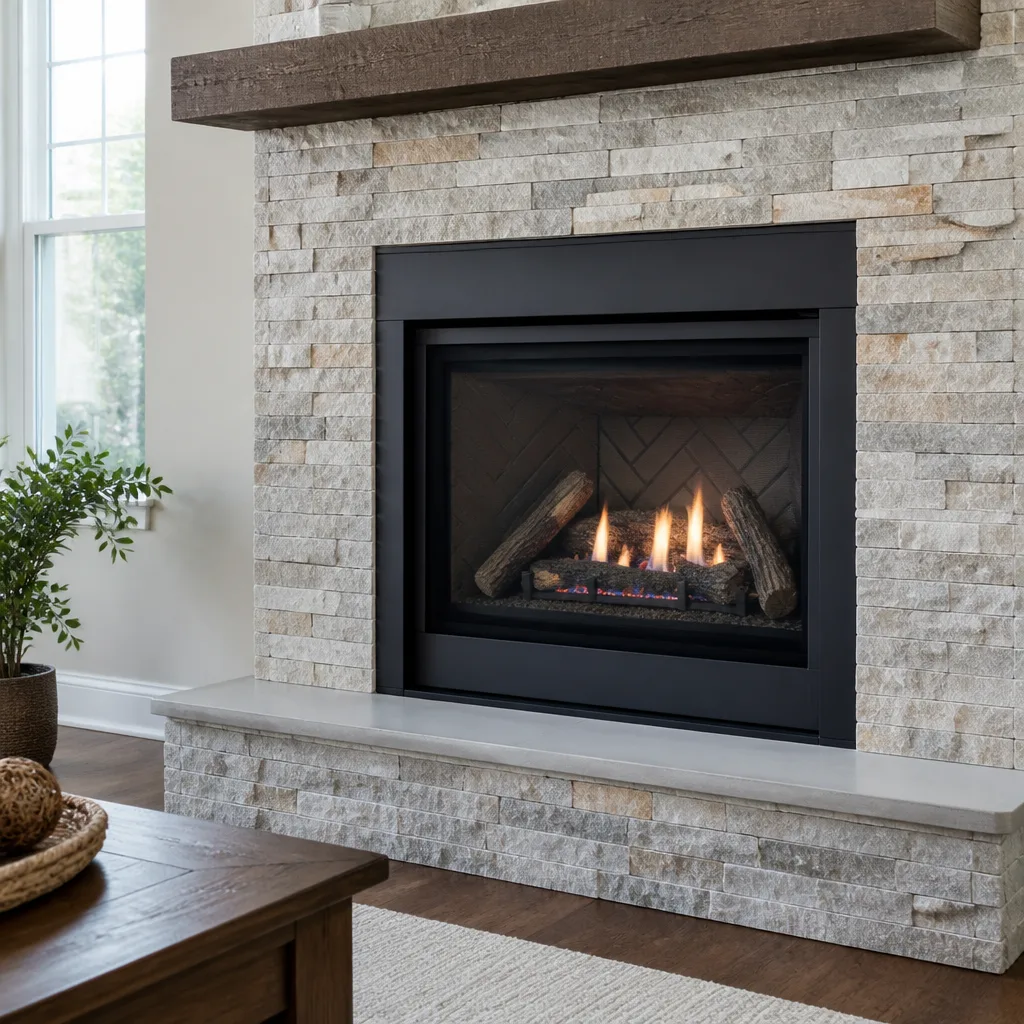 Gas fireplace service
Level 1 sweep and inspection to the NFPA 211 annual standard - flue, crown, cap, and flashing checked and photographed
Chimney sweep logs do not sweep chimneys. They loosen some creosote - which then falls where a brush and vacuum still have to collect it.
Seasonal Chimney Cleaning Care for Taylorsville: Year-Round Homeowner’s Guide
Most chimney advice you’ll read says the same thing: clean it before winter. That’s true, but it’s only part of the picture. In Taylorsville, each season puts a different kind of stress on a chimney system, and the damage that shows up in January is usually set in motion months earlier. Spring snowmelt and rain work their way into mortar joints. Summer is when birds and raccoons move in. Fall, when the valley inversion settles in and homes get sealed up tight, is a higher-risk stretch for carbon monoxide than people realize. By the time a homeowner smells smoke or sees a draft problem, the cause has had a whole season to develop. This guide maps what each season does to your chimney in Taylorsville and what to do about it, window by window, so the system is sound before it’s tested.
Quick Answer
Seasonal chimney care in Taylorsville means handling one specific job each season: address water intrusion in spring, cap the flue before the summer nesting window, test the draft and get a professional inspection before the fall inversion season, and monitor draft performance through winter cold snaps. A yearly inspection and sweep cycle, timed around those windows, catches most chimney problems before they turn into repairs. The single most effective step you can take is a late-summer inspection and sweep, booked even if you barely burned last year.
Styles & brands we work with
- Sweep & inspection
- Caps & crowns
- Flue relining
- Masonry repair
- Gas fireplace service
Table of Contents
- Spring: Why Snowmelt and Rain Are Your Chimney’s Toughest Test
- Summer: The Nesting Window and What to Do About It
- Fall: The Inversion Season and the Carbon Monoxide Risk
- Winter: Reading Your Draft During Cold Snaps
- The One Service to Book in Late August
- Inspection vs. Sweeping: What Each One Actually Tells You
- Caps and Crowns: The Weatherproofing That Prevents the Rest
- When a Season Turns a Maintenance Item Into a Repair
Spring: Why Snowmelt and Rain Are Your Chimney’s Toughest Test
Winter gets the blame for chimney damage, but in Taylorsville the real structural stress arrives with the thaw. Masonry is porous. Through the cold months it absorbs moisture from snow sitting on the crown and from wet flue gases condensing on the inside of the liner. When spring snowmelt and April rain arrive, that trapped moisture is still in the brick and mortar, and the freeze-thaw cycles that linger at this elevation push it through the masonry. The result is the two things we look for first on a spring assessment: spalling brick (faces that flake, pit or break off) and crumbling mortar joints. Both are slow at first and then accelerate.
Taylorsville’s elevation range makes this worse than lower-elevation towns deal with. Cold nights and warm afternoons in spring create repeated freeze-thaw inside the same masonry, and each cycle widens existing cracks. A hairline crack at the crown or a soft mortar joint in fall becomes a real opening by the following spring.
Here’s what spring maintenance actually involves:
- Look at the crown. The crown is the sloped concrete or mortar cap on top of the chimney. Any crack wider than a hairline lets water straight into the structure below. A crown repair now is far less expensive than rebuilding a chimney top later.
- Check the cap and screen. A cap keeps rain out and animals out. A damaged or missing cap turns your flue into a rain barrel and a birdhouse in the same season.
- Inspect the flashing. The metal where the chimney meets the roof is a common leak point. If you see staining on ceiling drywall near the chimney, start there.
- Check mortar joints. Probe with a screwdriver. Soft, crumbly mortar between bricks means it’s time for repointing, not a pressure wash.
Water is the single biggest cause of long-term chimney damage in this climate, and spring is when you find it. If water intrusion is already a problem, a proper chimney repair assessment will tell you whether you’re looking at repointing, crown work, or something more involved.
Summer: The Nesting Window and What to Do About It
Summertime is when animals treat an open flue as prime real estate. Chimney swifts are a protected migratory bird and they nest in uncapped chimneys across the country, including in Taylorsville. Starlings are cavity nesters that drop in through an uncapped flue. Raccoons are strong climbers and will den in a chimney with a wide enough opening. Each of those brings its own complication, and timing matters as much as the removal itself.
The legal constraint homeowners bump into is the Migratory Bird Treaty Act. Chimney swifts are covered. You can’t simply remove an active nest with eggs or chicks in it, and a sweep technician won’t. This is why the practical answer is prevention before the nesting window instead of removal during it: cap the flue before swifts and starlings arrive, and you never deal with the legal and ethical tangle of an occupied nest.
If you discover an active nest in summer:
- Don’t light a fire. A fire under an active nest can kill the birds, fill the house with smoke, and in a nest full of dry twigs it can start a chimney fire of its own.
- Identify before acting. A swift nest looks different from a starling’s. If you’re not sure, have it assessed.
- Wait out the nesting cycle if birds are protected. The young fledge, the nest empties, and then it can be removed safely and the flue cleaned.
- Cap it once it’s clear. A properly fitted cap with a screen is the fix that makes this a one-time problem.
Raccoons are a separate headache. They can be aggressive when cornered and carry parasites. That’s a job for a wildlife professional, not a homeowner with a ladder, and we’ll say so plainly. The takeaway is simple: the summer nest problem is best solved in late spring, by capping the flue before anything moves in.
Fall: The Inversion Season and the Carbon Monoxide Risk
The highest-risk moment for carbon monoxide in a Taylorsville home isn’t the first fire of winter. It’s the start of inversion season, when the valley traps cold air under a warmer layer and residents seal their homes up tight against the cold. That combination is where problems hide. A chimney with a partial blockage, a failing liner, or a draft that just doesn’t pull properly is much more dangerous in a tightly sealed house than in a drafty one, because there’s no random air leakage to relieve a backdraft. Combustion gases that should vent up the flue find their way back into the living space.
The fall task, then, is about confirming the venting path is intact and the draft is working before you depend on it for the heating season. That means:
- Get a professional inspection. A camera inspection shows the inside of the flue, which is where a cracked liner, heavy creosote, or a blockage will be hiding. You can’t see this from the hearth.
- Confirm the liner condition. A cracked or deteriorated clay liner is a real CO risk because it lets gases escape into the chimney structure. HeatShield resurfacing can restore a compromised liner without the cost of full replacement in the right circumstances, and a licensed technician will tell you honestly whether you’re a candidate or not.
- Test the draft under real conditions. A draft test with the appliance running tells you more than a visual look ever will.
- Take CO seriously. Make sure you have working carbon monoxide alarms on each level of your home. That’s not a chimney fix, but it’s the backstop for the whole system.
Fall is also when the woodpile should be dry and stacked. Burning unseasoned wood through the whole season loads the flue with creosote faster than dry wood does, so fall wood prep is genuinely a chimney-health step. If your inspection turns up a problem in the fireplace itself, our fireplace repair team handles the firebox, damper, and masonry inside the fireplace, not just the flue.
Winter: Reading Your Draft During Cold Snaps
Throughout winter, your chimney tells you how it’s doing if you know what to watch. Draft performance changes as the outdoor temperature drops and the house seals up. In very cold snaps, draft can actually improve (a bigger indoor-outdoor temperature difference strengthens the upward pull), but a weak point in the system can also show up suddenly. A flue that worked fine in October can smoke back into the room in January, and that change is information.
What to monitor mid-season:
- Smoke rolling back into the room. A little puff when you first light a fire can be normal while the flue warms. Consistent smoke in the room is not. Stop and get it checked.
- A sudden drop in draft. If the fire burns sluggish and smoky where it pulled strongly before, something has changed inside the flue. It could be a soot or creosote buildup, a partial blockage, or a nest or debris that worked loose.
- Smell of creosote or soot in the house. That’s a sign of a flue that isn’t venting cleanly, and it’s a reason to stop burning until it’s assessed.
- Staining around the flue or on drywall near the chimney. This can mean moisture or gas is finding a path it shouldn’t.
- Glazed, shiny, puffy creosote. This is the late stage of creosote buildup and it’s the flammable kind. If you saw it during the last sweep, get an inspection before burning further.
Never block or cap the top of a flue mid-season while an appliance is in use. And if you suspect a chimney fire has already happened (a deep roaring sound, a hot chimney, a burning smell), stop using the fireplace and call for an inspection before lighting another fire. Chimney fires can go out unnoticed and leave damage behind. Winter monitoring isn’t about doing the repairs yourself. It’s about catching the signal in time to protect the structure and the house.
The One Service to Book in Late August
If there’s one date on the calendar that matters more than any other for chimney care in Taylorsville, it’s the late-summer inspection and sweep. The reason is scheduling, not superstition. Here’s why:
- You’re ahead of the fall rush. Late August is quiet, which means you get a proper slot instead of squeezing in before the first cold snap.
- It’s after the nesting window. The nest cycle has finished, so anything in the flue can be cleared and the cap fitted without legal or ethical complications.
- You have time to fix what’s found. If the inspection shows a cracked liner or a crown problem, you have weeks to schedule the repair before the season starts, not days.
- It covers you even if you barely burned last year. Sit-through summers still allow nesting and moisture. A flue that saw only a handful of fires can still have an animal nest or a moisture issue. Inspection frequency should follow use, but a yearly look is cheap insurance.
Most homeowners skip this because the fireplace is the last thing on their minds in August. That’s exactly why the ones who don’t skip it have calmer Octobers. The professional brands we work with, like Olympia Chimney and Famco, are made for this kind of planned maintenance work, and a proper cap fitted now is what makes next summer a non-event.
Inspection vs. Sweeping: What Each One Actually Tells You
An inspection and a sweep are not the same task, and treating them as one is where homeowners get blindsided. A sweep removes soot and creosote from the flue. An inspection evaluates the whole system: the firebox, the damper, the smoke chamber, the flue, the crown, the cap, and the exterior masonry. You can have a clean flue and a cracked liner. You can have a sound liner and a failing crown. A sweep alone won’t tell you the second one, and an inspection alone won’t remove a season’s worth of creosote.
In our experience, the most useful thing an inspection does is make the recommendation concrete. A camera inspection and photo report let you see what the technician sees. That’s the answer to the biggest worry homeowners have walking in: being told they need thousands of dollars of liner or masonry work they can’t verify. You shouldn’t have to take it on faith. Nothing should be recommended without evidence you can look at yourself, and a good technician will tell you plainly when work can safely wait. Sometimes the honest answer is “that crack is cosmetic, monitor it and we’ll look next year.” That’s a real recommendation, not a courtesy.
It’s worth knowing that a code-compliant inspection can be booked independently of a cleaning or repair. If you’ve been told you need work by someone whose only service was cleaning, an independent inspection is a fair second opinion. Chimney Sweep Taylorsville offers inspections as a standalone service precisely because homeowners deserve that option. Our technicians have up to 15 years of experience assessing systems, and they’ll walk you through what they found before anything is recommended.
Caps and Crowns: The Weatherproofing That Prevents the Rest
If spring water damage, summer nesting, and fall draft problems share a root cause, it’s often the top of the chimney. The cap and the crown are the most exposed parts of the system and the cheapest to fix before they fail. A cap with a screen keeps rain, snow, birds, and raccoons out. The crown is the sloped concrete or masonry slab on top that sheds water away from the flue. When the crown cracks, water gets into the masonry below it, and that’s where spalling and mortar failure start. When a cap is missing or damaged, you get both water and animals.
Chimney cap and crown installation is a service we treat as its own thing, not an afterthought on a cleaning visit. That’s because proactive weatherproofing is where you save the most over the long run. A well-fitted cap and an intact crown prevent the water intrusion that drives most structural chimney damage in this climate. They also keep the flue clear through the summer nesting window, which saves you the removal problem entirely.
What to check on the cap and crown:
- Is the cap on and secure? A loose cap can blow off in a storm and turn an open flue into a hazard.
- Is the screen intact? A torn screen lets birds in. A clogged screen chokes draft.
- Does the cap have a spark-arresting screen? A proper cap does, and it also stops embers from reaching the roof.
- Is the crown sloped and uncracked? Any crack wider than a hairline warrants a crown repair, not just a patch over the top.
- Is the crown material appropriate? A professional-grade crown installed by a technician will outlast a homeowner caulk job, which is the most common shortcut we undo.
This is where the professional-supply brands matter. We work with brands like Copperfield for caps because a properly fitting cap doesn’t need to be replaced every couple of years. A cheap hardware-store cap is the false economy that ends in a winter leak.
When a Season Turns a Maintenance Item Into a Repair
Not every repair is urgent, and knowing which is which takes the pressure off. Some findings can wait a season with monitoring. Others need attention before you burn again.
Where a repair is genuinely urgent:
- A cracked or deteriorated flue liner. This is a real carbon monoxide risk. Stop using the fireplace until it’s assessed and repaired. HeatShield resurfacing can restore a compromised liner without full replacement in the right circumstances, but a licensed technician has to confirm it’s a candidate. DuraFlex liner systems are the flexible relining option when a full reline is the right answer.
- An active chimney fire or evidence of one. Get an inspection before lighting another fire. Damage can be internal and invisible.
- Smoke or CO entering the living space. Stop using the fireplace and get it checked.
- A failed crown with water getting in. Water damage accelerates. This is a repair to do when you find it, not next season.
Where work can often wait with monitoring:
- Hairline cosmetic cracks. Often stable. Watch them and re-check next inspection.
- Minor mortar joint wear that hasn’t reached the point of spalling.
- Slight creosote. A sweep handles it, and it’s not an emergency as long as you’re not burning heavily before it’s removed.
A repair-capable shop handles all of this in one place: sweep, inspection, masonry repair, liner restoration, and cap and crown work, all from one team. Homeowners don’t get handed off to a different contractor in the middle of the job. And whether the work is a sweep or a reline, the people on your roof are licensed and insured as their state requires, and every job is priced by a written estimate before any work starts.
Common Mistakes to Avoid
- Cleaning only before winter. Winter is the test, not the only season that matters. Spring moisture, summer nesting, and fall draft issues all do their damage before the first fire. Treat the yearly cycle as four windows, not one deadline.
- Skipping the sweep because you “barely used it.” A sit-through summer still lets in a nest or moisture. A lightly used chimney can have a full animal nest in the flue. Use-based frequency is a guideline, and an inspection is what tells you the truth.
- Treating a sweep as an inspection. A clean flue is not the same as a sound one. A cracked liner, a failing crown, or a partial blockage won’t show up in a sweep. Book the inspection.
- Ignoring the crown and cap. These are the cheapest points to fix and the most common sources of water damage. A crack in the crown is the start of spalling and mortar failure, and a missing cap is how animals get in. Fix the top first.
- Removing an active nest yourself. Chimney swifts are protected, and raccoons aren’t worth the risk. Cap the flue before the nesting window, and let an inspection handle what’s already there.
- Burning unseasoned wood. Wet wood puts more moisture and creosote into the flue than dry wood. Stack your wood so it’s dry before winter, and don’t use the fireplace to “dry” freshly cut wood.
- Trusting a clean-out and a promise. A sweep that only looks at the firebox and says “you’re fine” hasn’t inspected the flue. Ask for a camera inspection and photo report, and don’t let anyone recommend liner or masonry work you haven’t seen evidence for.
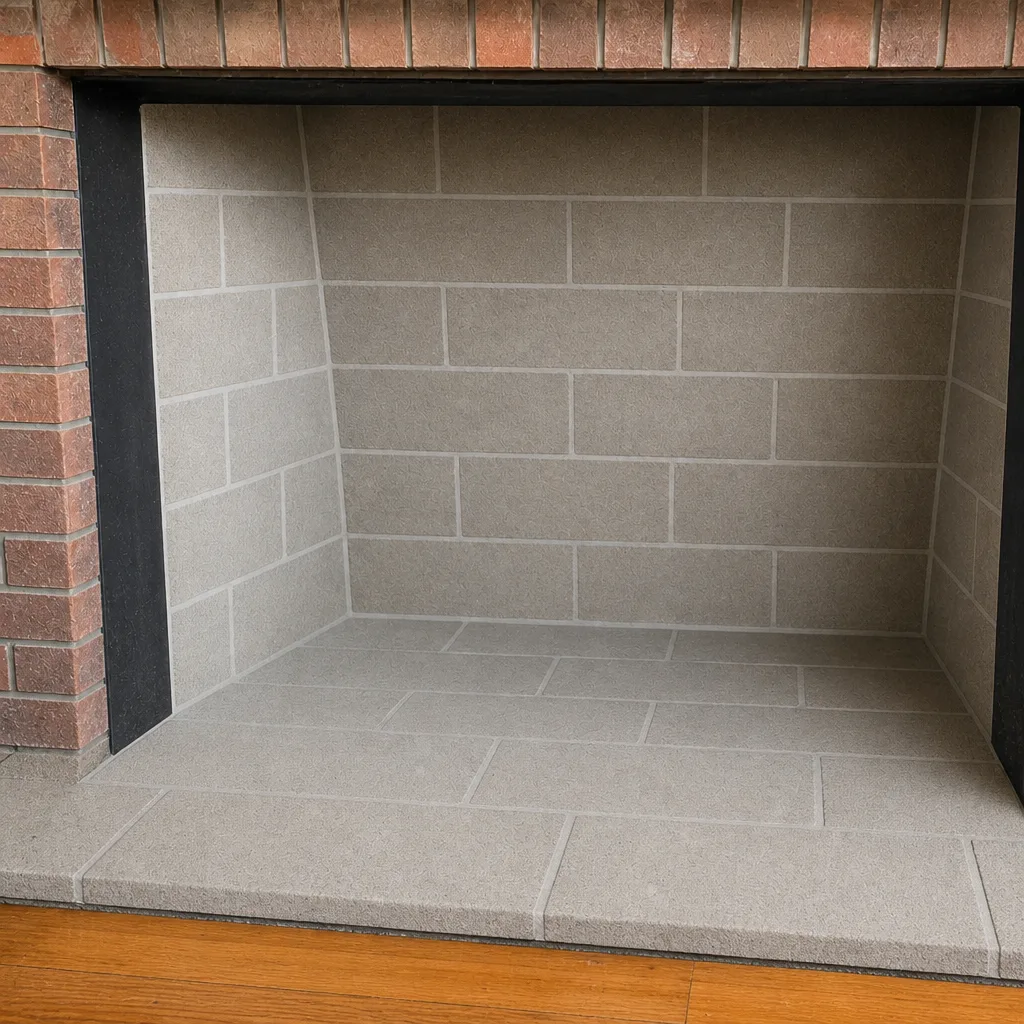
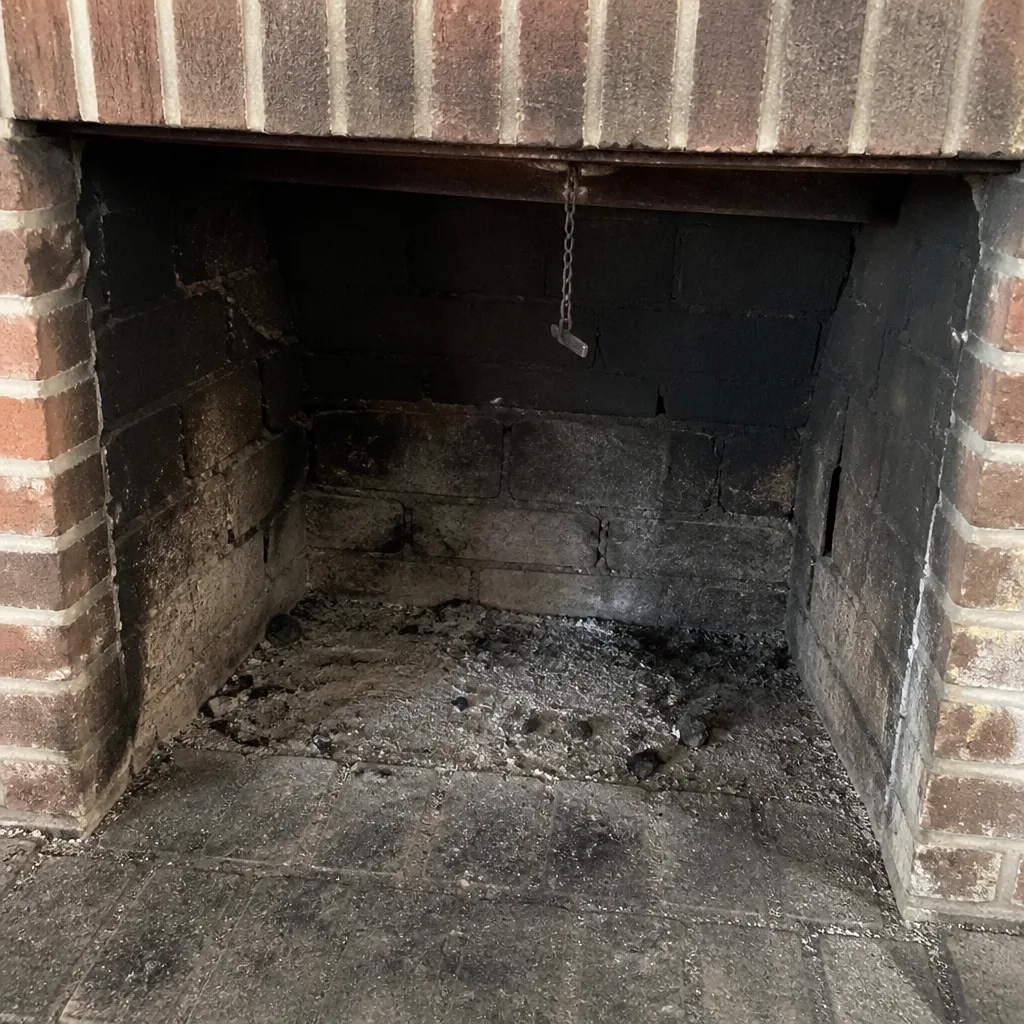
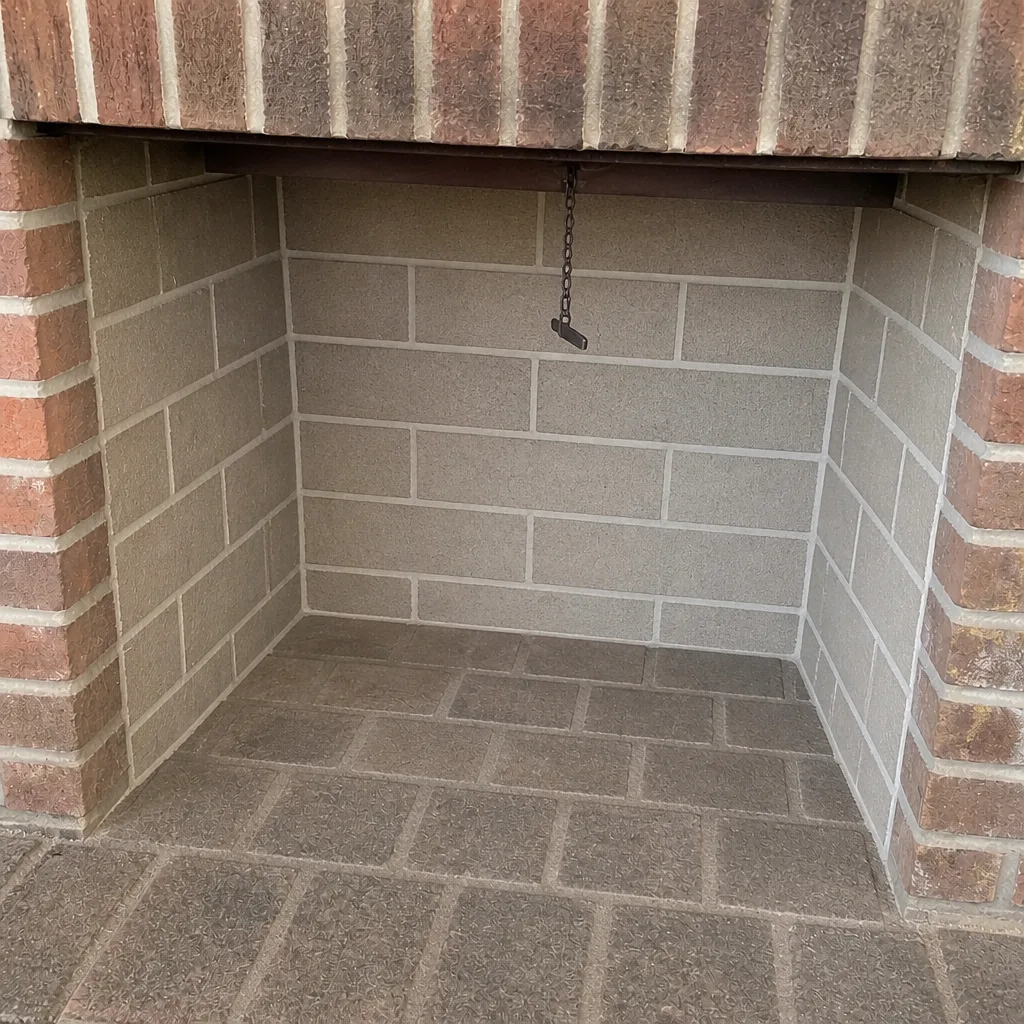
See the difference
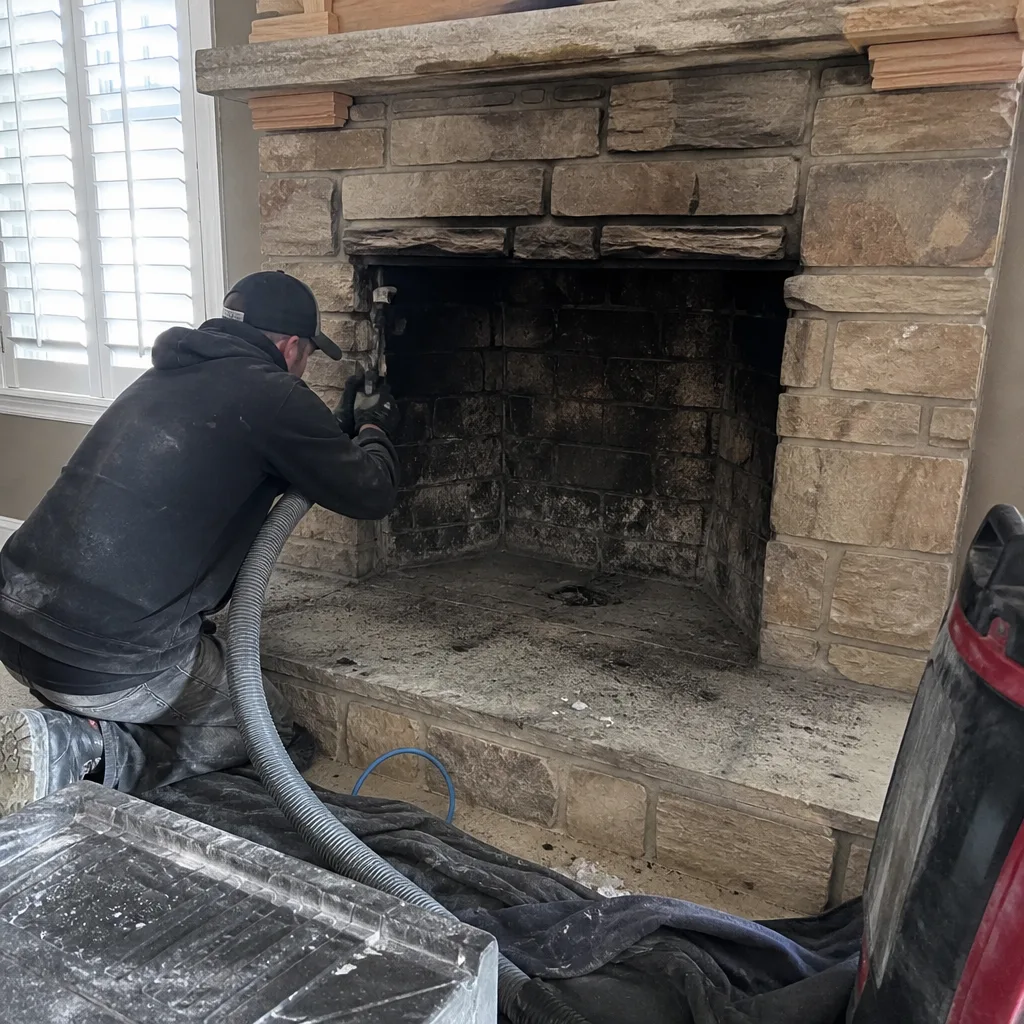 Before
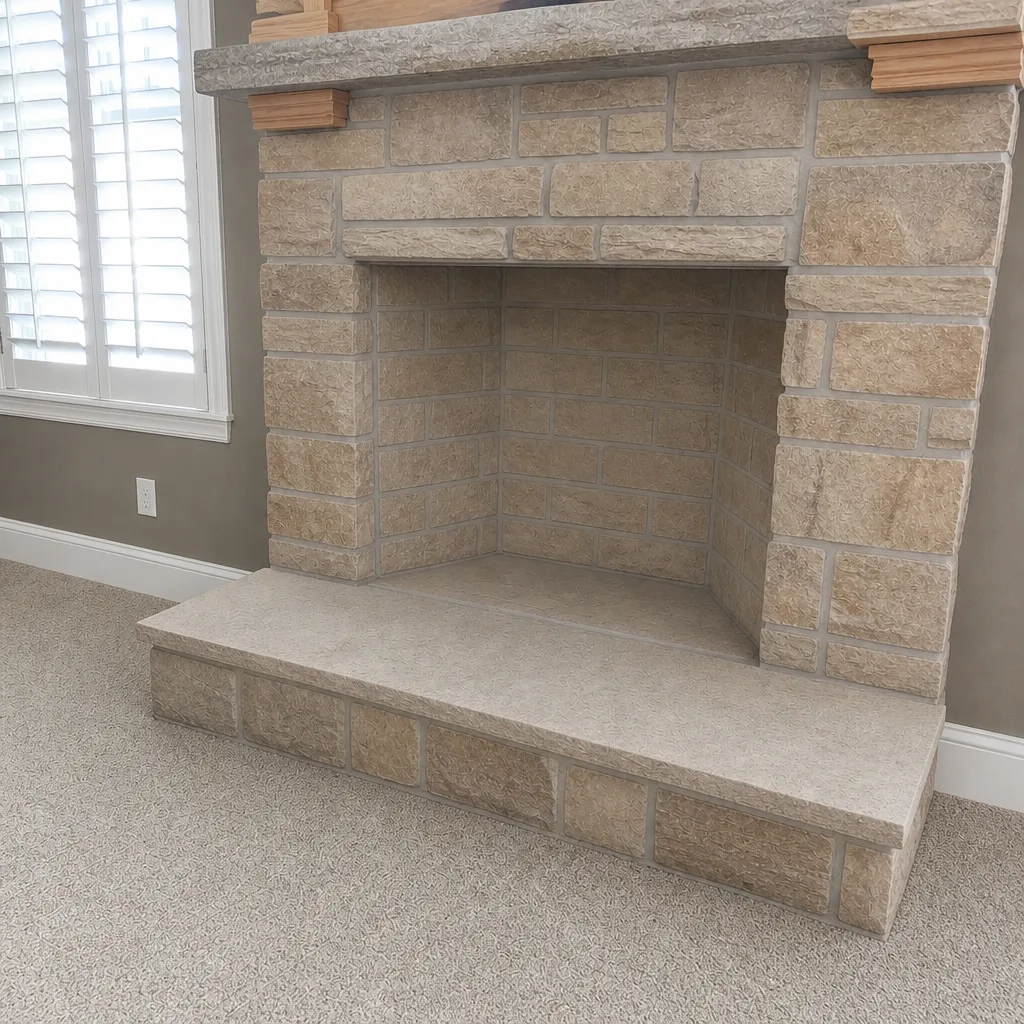 After
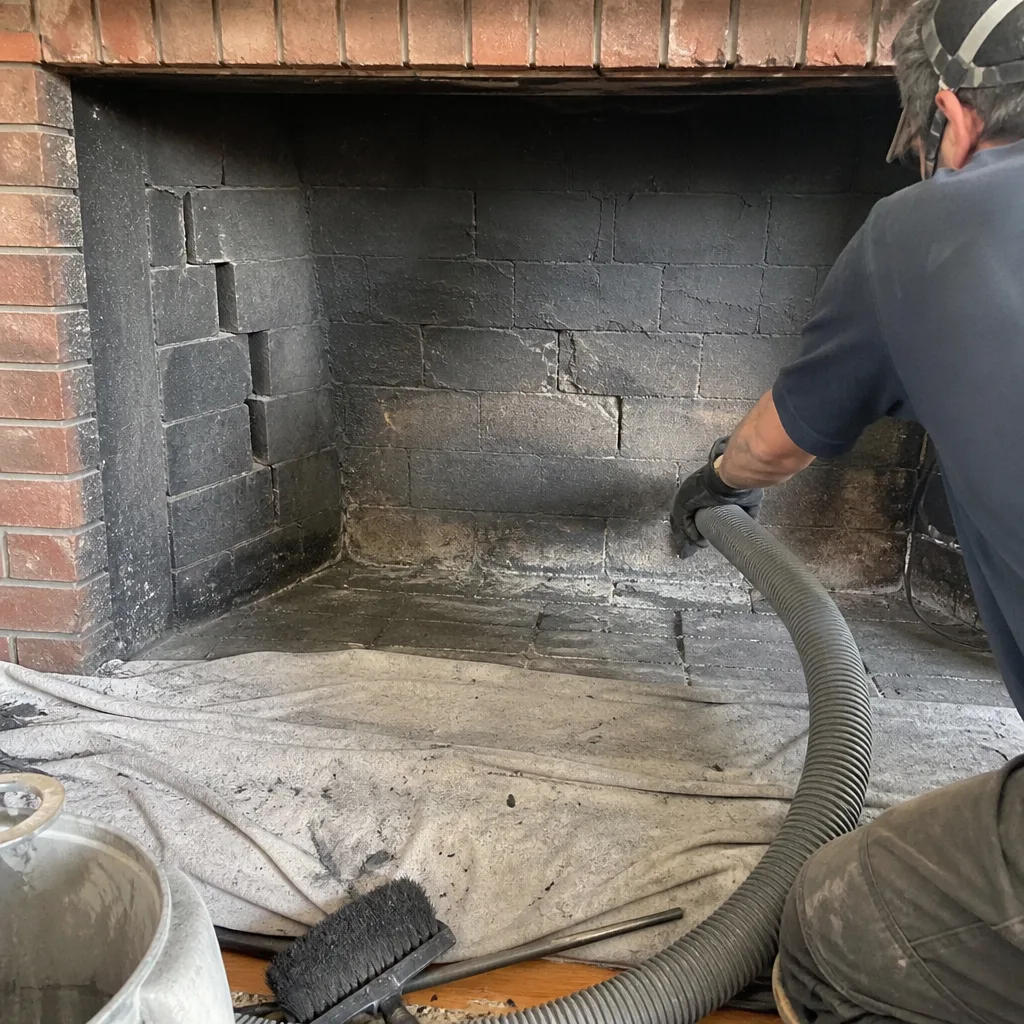 Before
 After
 Before
 After
When to Call a Professional
Some findings are safe to watch and some aren’t. Call us if you smell creosote or smoke in the house, if smoke consistently rolls back into the room, if you’ve had a chimney fire or heard the roar of one, if there’s staining on the drywall near the chimney, or if an inspection found a cracked liner or failing crown. Call before lighting the first fire of the season if it’s been more than a year since the last sweep, and call before the nesting window if you don’t have a cap on the flue. If you’re not sure whether something is urgent, that uncertainty is itself a reason to call. Chimney Sweep Taylorsville offers free estimates in Taylorsville. Call (833) 482-6761.
Frequently Asked Questions
At least once a year if you burn regularly, and a yearly inspection regardless of how much you burned, because moisture and animal nesting happen even in an idle chimney. If you burn heavily or burn often, a mid-winter check is worth adding. Call (833) 482-6761 for an exact schedule based on your fireplace and how you use it.
Skipping the inspection means problems that would have been caught early, like a cracked crown, spalling mortar, or a partial flue blockage, get a full season to get worse. The worst outcomes are preventable: a CO risk from a compromised liner, or a chimney fire from heavy creosote. The cost of a repair found early is far lower than the cost of one found months later. Call (833) 482-6761 to get on the schedule before the season starts.
Only if the liner is actually compromised, and you have a right to see the evidence before agreeing to anything. A cracked or deteriorated clay liner is a real risk and does need attention. But a liner that’s merely worn may be a candidate for HeatShield resurfacing instead of full replacement. A camera inspection and photo report show you what’s there. Don’t accept a liner recommendation without seeing the inspection evidence. Call (833) 482-6761 for an independent assessment.
The fall inversion season is when homes seal up tight against the cold, and a tightly sealed house gives combustion gases nowhere to go if the flue isn’t drafting properly. The first fire of the season in a sealed, newly closed-up home is when a draft problem shows up. Get the inspection done before the heating season, and make sure you have working CO alarms on each level. Call (833) 482-6761 to schedule your pre-season inspection.
Not safely if it’s a protected species. Chimney swifts are protected under the Migratory Bird Treaty Act, and an active nest with eggs or chicks can’t be removed. Raccoons are a separate hazard. The practical approach is prevention: cap the flue before the nesting window. If you already have nesting, call (833) 482-6761 for an assessment on what can be done legally and safely.
Usually both, at different times. A sweep removes soot and creosote. An inspection evaluates the whole system, including the flue, crown, cap, and masonry. An inspection can be booked on its own if you want an independent assessment without a cleaning. Many homeowners book the sweep and inspection in one visit in late summer. Call (833) 482-6761 to book both together.
The Bottom Line
Chimney care in Taylorsville is a year-round rhythm, not a single fall task. Spring is when water intrusion does its worst, so check the crown, cap, and mortar joints. Summer is the nesting window, so cap the flue before anything moves in. Fall is when the inversion season and a sealed-up house raise the carbon monoxide risk, so get inspected and confirm the liner before the first fire. Winter is when draft changes tell you the system’s condition, so watch for smoke backdraft, sluggish draft, and creosote smells. The one service that matters most is a late-August inspection and sweep, timed after nesting and before the fall rush, and most homeowners skip it. Don’t be one of them. Our technicians have up to 15 years of experience, we handle the full chimney system from the firebox floor to the cap on top, and every recommendation comes with inspection evidence you can see. Call (833) 482-6761 for a free estimate. We answer 24/7. Fast dispatch from 7am to 7pm, Sunday through Friday, closed Saturday.
To get your system on a sound seasonal schedule, start with a chimney sweep and inspection visit, or call (833) 482-6761.
Written by the team at Chimney Sweep Taylorsville.